TRENDING

Monday, 5 October 2026
----------------------
24 Rabi' Al-Thani 1448 AH
Greece has formally proposed that the European Union allow member states to temporarily suspend asylum applications during periods of mass migration, a move supported by several other nations. This push highlights a deepening divide within the bloc over balancing international human rights obligations with national border control priorities.
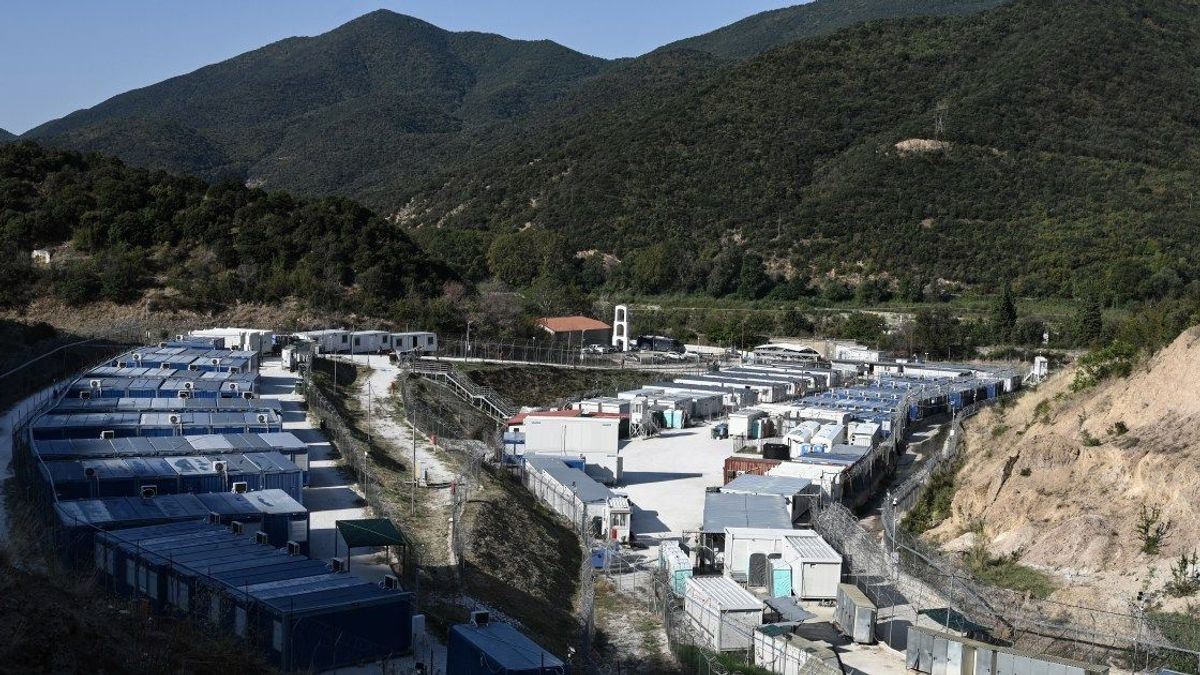
Greece has formally urged the European Union to grant member states the power to temporarily suspend asylum applications during periods of what it terms “mass migration surges.” This proposal, presented to EU interior ministers in Luxembourg, seeks to amend the recently enacted EU migration pact, arguing that current provisions are insufficient for emergencies like the recent influx into Spain’s North African enclave of Ceuta. The Netherlands has voiced support, framing such events as border management issues rather than asylum concerns. Concurrently, ministers approved a new regulation allowing for the establishment of “return hubs” outside the EU, with Rwanda reportedly in preliminary talks to host such a facility, signaling a broader strategy to externalize migration processing.
The push by Greece and its allies to suspend asylum rights is a direct consequence of the immense political pressure exerted by anti-immigration sentiment across Europe. Since the 2015 refugee influx, which saw over a million people, many fleeing the war in Syria, arrive in the bloc, nationalist and far-right parties have gained significant traction. This has forced mainstream governments to adopt increasingly restrictive migration policies, prioritizing border controls, deterrence, and returns over humanitarian considerations. The narrative of
Greece is urging the European Union to allow member states to temporarily suspend asylum applications during periods of what it defines as 'mass migration surges.' This aims to give countries more flexibility in managing large influxes of people at their borders.
The EU is exploring establishing 'return hubs' in non-EU countries, potentially like Rwanda, where asylum seekers could be sent for processing and potentially resettlement. This strategy aims to externalize migration management and deter future irregular arrivals to EU territory.
Proponents argue these proposals benefit EU member states by reducing perceived burdens and increasing border control. However, asylum seekers bear the primary harm, facing potential denial of fundamental rights, increased vulnerability, and reduced access to legal protections, while also raising ethical concerns for host countries of 'return hubs'.
Source referenced: ALJAZEERA
This brief was synthesized by our Editorial Engine and reviewed by The Ground Narrative team.


