TRENDING

Sunday, 4 October 2026
----------------------
23 Rabi' Al-Thani 1448 AH
Palestinian families in the occupied West Bank are facing a dire situation as Israeli settlers besiege their homes, blocking access to essential services. The incident highlights the ongoing struggle for land and resources in the region.
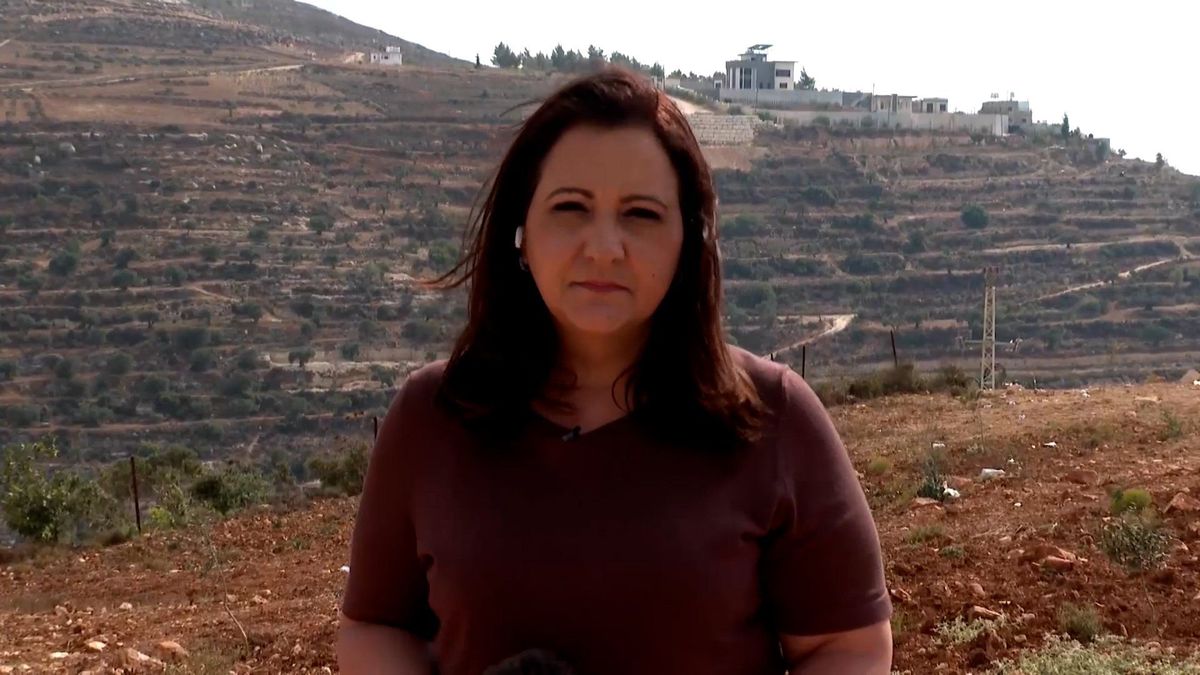
In the occupied West Bank, three Palestinian families have been trapped inside their homes for nearly a week. The families accuse Israeli settlers of blocking their access to food, water, and essential services in an attempt to take over their properties. This incident is the latest in a long line of disputes over land and resources in the region.
The underlying power dynamic at play is the ongoing Israeli settlement expansion in the West Bank, which has been a major point of contention between Israelis and Palestinians. The Israeli government has continued to support and fund settlement projects, despite international criticism and condemnation. The settlers, in turn, are driven by a mix of ideological, economic, and strategic motivations, including the desire to expand Israeli territory and secure resources. The Israeli government's tacit support for settlement expansion has created an environment in which settlers feel emboldened to take matters into their own hands, often at the expense of Palestinian families.
The human cost of this conflict is borne by the Palestinian families who are trapped in their homes, unable to access basic necessities like food and water. The psychological toll of being under siege, combined with the fear of losing their homes and livelihoods, is immense. The families are not just fighting for their properties; they are fighting for their dignity and their right to exist in their ancestral lands. The international community has largely failed to hold Israel accountable for its actions, leaving Palestinian families to suffer in silence.
What is often downplayed in the media narrative is the systematic nature of Israeli settlement expansion and its impact on Palestinian communities. The Israeli government's actions are not just random incidents of violence; they are part of a larger strategy to fragment Palestinian territory and undermine the possibility of a contiguous Palestinian state. The settlers' actions, while seemingly spontaneous, are often coordinated with the Israeli military and government, which provides them with tacit support and protection. The international community's failure to address this issue has created a power vacuum that allows Israel to continue its settlement expansion with impunity.
As the situation in the West Bank continues to deteriorate, readers should watch for increased tensions between Israeli settlers and Palestinian families, as well as growing international criticism of Israel's settlement policies. The upcoming Israeli elections may also play a role in shaping the government's stance on settlement expansion, and Palestinian leadership's response to the crisis will be crucial in determining the trajectory of the conflict. Ultimately, the fate of the Palestinian families trapped in their homes will depend on the ability of the international community to hold Israel accountable for its actions and to push for a just and lasting resolution to the conflict.
Editor's Note: The analysis is based on publicly available information and may not reflect the full complexity of the situation on the ground.
Source referenced: ALJAZEERA
This brief was synthesized by our Editorial Engine and reviewed by The Ground Narrative team.


