TRENDING

Sunday, 4 October 2026
----------------------
23 Rabi' Al-Thani 1448 AH
Pakistan's new security pact with Saudi Arabia and Turkey brings it closer to the Middle East's emerging security architecture, but its effectiveness in deterring India remains uncertain. The deal may boost Pakistan's influence in the region, but its impact on the country's own backyard is likely to be limited.
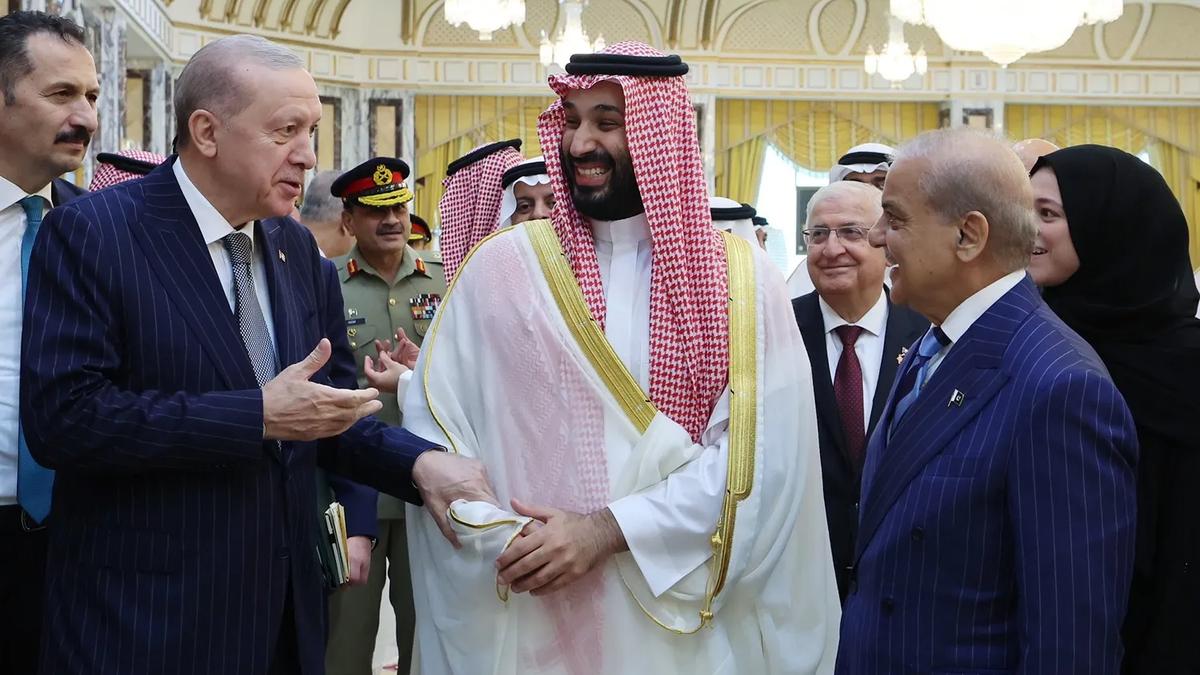
Pakistan has signed a mutual defense agreement with Saudi Arabia and Turkey, known as the Mecca Joint Defense Agreement. The pact aims to strengthen security cooperation among the three countries and advance Pakistan's interests in the Middle East. This development comes less than a year after Pakistan concluded a similar agreement with Saudi Arabia and as it seeks to enhance its relationships with other Middle Eastern allies.
The Mecca pact is a strategic move by Pakistan to increase its influence in the Middle East and bolster its position in the region's emerging security architecture. By aligning itself with Saudi Arabia and Turkey, Pakistan aims to counterbalance the growing influence of India and Iran. The agreement also reflects Pakistan's desire to be seen as a significant player in regional security affairs, rather than just a risky partner. The United States, which has been keen to see more burden-sharing from its allies, is likely to welcome this development as it advances collective deterrence against Iran.
The Mecca pact may have limited benefits for Pakistan in its own neighborhood, where it faces hostile neighbors and ongoing conflicts. The agreement's effectiveness in deterring India, with which Pakistan has fought multiple wars, is uncertain. If India were to carry out strikes on Pakistan, it is unlikely that Saudi Arabia would come to Pakistan's aid, given its close ties with India. The pact may, however, lead to increased mediation efforts by Saudi Arabia and Turkey in Pakistan's regional conflicts, particularly those involving Afghanistan.
What is being downplayed by powerful actors is the fact that the Mecca pact may not be as effective in deterring India as Pakistan hopes. The agreement's language, which asserts that an attack on one member will be viewed as an attack on all, may not be taken literally by Saudi Arabia and Turkey. These countries have their own interests and priorities in the region, and they may not be willing to risk conflict with India to defend Pakistan. Furthermore, the pact may create new tensions and complexities in the region, particularly if it is perceived as an attempt by Pakistan to counterbalance India's growing influence.
In the coming months, it will be essential to watch how the Mecca pact plays out in practice, particularly in terms of its impact on Pakistan's relationships with India and Afghanistan. Will Saudi Arabia and Turkey be willing to invoke the agreement in the event of an Indian attack on Pakistan? How will the pact affect the ongoing conflicts in Afghanistan, and will it lead to increased mediation efforts by Saudi Arabia and Turkey? The answers to these questions will determine the true significance of the Mecca pact and its implications for regional security.
Editor's Note: The analysis is based on publicly available information and may not reflect the full complexity of the situation on the ground.
Source referenced: FOREIGNPOLICY
This brief was synthesized by our Editorial Engine and reviewed by The Ground Narrative team.


