TRENDING

Thursday, 15 October 2026
----------------------
4 Jumada Al-Awwal 1448 AH
Pakistan's Foreign Minister Ishaq Dar hopes for constructive engagement between the US and Iran as a US delegation arrives in Islamabad, aiming to facilitate a lasting solution to the conflict.
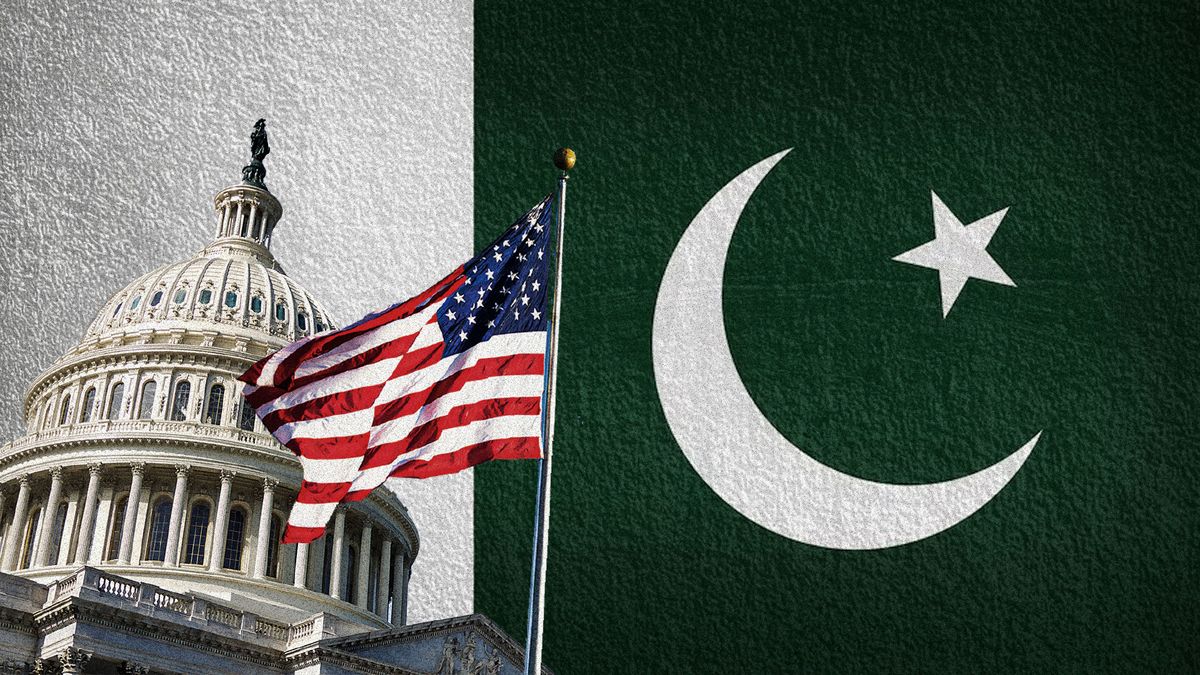
Pakistan's Foreign Minister Ishaq Dar has expressed hope for constructive engagement between the United States and Iran as a US delegation arrives in Islamabad. This development comes amidst a complex regional landscape, where tensions between the US and Iran have been escalating over the past few years.
The US and Iran have had a tumultuous relationship since the 1979 Islamic Revolution, which led to the hostage crisis and the subsequent severing of diplomatic ties. The US has imposed economic sanctions on Iran, while Iran has been accused of supporting militant groups in the region. The current tensions between the two nations are largely driven by the US withdrawal from the Joint Comprehensive Plan of Action (JCPOA) in 2018 and the subsequent reimposition of sanctions.
Pakistan has long been a key player in regional diplomacy, particularly in the context of US-Iran relations. Islamabad has maintained good relations with both Washington and Tehran, and has been actively engaged in efforts to facilitate dialogue between the two nations. The current visit by the US delegation is a significant development, as it marks a renewed effort by the US to engage with Iran through a third-party facilitator.
The US has several strategic motivations for engaging with Iran, including the need to address the ongoing conflict in Yemen, where Iran has been accused of supporting the Houthi rebels. Additionally, the US is keen to prevent Iran from developing a nuclear capability, which it sees as a threat to regional stability. Pakistan, on the other hand, is motivated by a desire to maintain good relations with both the US and Iran, while also promoting regional stability and security.
The success of the US-Iran peace talks facilitated by Pakistan will have significant regional implications. A lasting solution to the conflict will not only benefit the two nations directly involved but also contribute to regional stability and security. The talks will also have implications for other regional players, including Saudi Arabia and the United Arab Emirates, which have been critical of Iran's actions in the region.
The outcome of the US-Iran peace talks facilitated by Pakistan will have far-reaching consequences for the region. If the talks are successful, it could lead to a significant reduction in tensions between the US and Iran, and potentially even a normalization of relations. However, if the talks fail, it could lead to further escalation of tensions, potentially even a military conflict.
Pakistan's efforts to facilitate US-Iran peace talks are a significant development in the region. The success of these talks will depend on several factors, including the willingness of both parties to engage in constructive dialogue and the ability of Pakistan to navigate the complex regional dynamics. The outcome of these talks will have significant implications for regional stability and security, and will be closely watched by regional players and international observers alike.
Editor's Note: The success of the US-Iran peace talks facilitated by Pakistan is uncertain, but the effort is a significant development in the region.
Source referenced: CGTN
This brief was synthesized by our Editorial Engine and reviewed by The Ground Narrative team.


