TRENDING

Friday, 2 October 2026
----------------------
21 Rabi' Al-Thani 1448 AH
Nigerian security forces have freed 308 abductees from kidnappers in a northern forest, but the crisis is far from over. The human cost of these kidnappings is staggering, with thousands of families torn apart and communities left to pick up the pieces. As the Nigerian government struggles to contain the situation, it's essential to examine the power mechanics driving this epidemic and what's being downplayed by those in power.
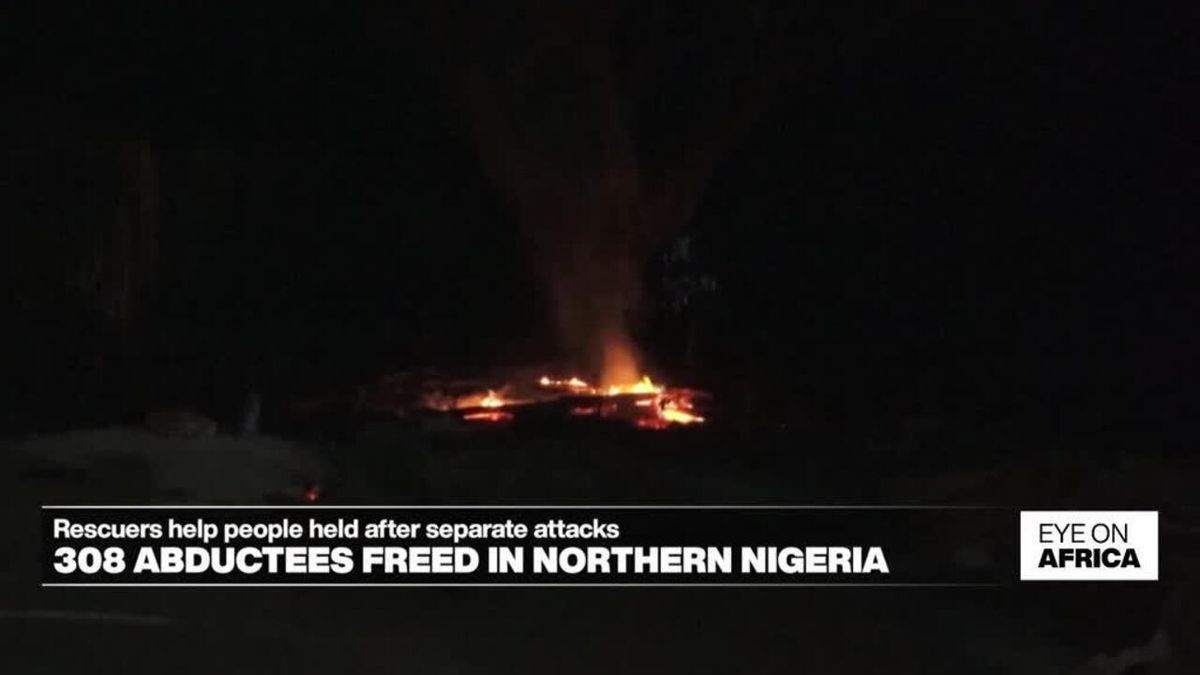
In a rare success story, Nigerian security forces have rescued 308 abductees from separate attacks in Northern Nigeria. The kidnappings have been a persistent problem in the region, with various armed groups taking civilians hostage for ransom or to further their ideological agendas.
The kidnapping epidemic in Northern Nigeria is a complex issue, driven by a mix of economic, political, and social factors. Poverty and unemployment are rampant in the region, creating a fertile ground for armed groups to recruit disillusioned youths. The Nigerian government's response has been criticized for being inadequate, with some arguing that the military's heavy-handed approach has only exacerbated the situation. Meanwhile, corrupt officials are accused of colluding with kidnappers, taking a cut of the ransom payments.
The human cost of these kidnappings is devastating. Families are torn apart, and communities are left to pick up the pieces. The trauma inflicted on the abductees and their loved ones can last a lifetime. Moreover, the kidnappings have a disproportionate impact on vulnerable populations, such as women and children, who are often the primary targets.
What's being downplayed by those in power is the role of corruption in perpetuating the kidnapping epidemic. Corrupt officials are not only complicit in the kidnappings but also benefit financially from the ransom payments. Furthermore, the Nigerian government's lack of transparency in its dealings with armed groups has created an environment of mistrust, making it difficult to distinguish between genuine efforts to address the crisis and cynical attempts to exploit the situation for political gain.
As the situation in Northern Nigeria continues to unfold, it's essential to watch for increased military action by the Nigerian government, which could lead to further escalation and human suffering. Additionally, international pressure may mount on the Nigerian government to address the corruption and governance issues driving the kidnapping epidemic. The response of local communities will also be crucial, as they may be forced to take matters into their own hands if the government fails to provide adequate security and support.
Editor's Note: The analysis is based on publicly available information and may not reflect the full complexity of the situation on the ground.
Source referenced: FRANCE24
This brief was synthesized by our Editorial Engine and reviewed by The Ground Narrative team.