TRENDING

Thursday, 22 October 2026
----------------------
11 Jumada Al-Awwal 1448 AH
Morocco is investing over $20 billion in infrastructure and expanding hotel capacity by 60,000 beds, leveraging the 2030 FIFA World Cup as a catalyst for long-term economic growth and enhanced international standing. This strategic initiative aims to boost tourism, diversify the economy, and solidify Morocco's role as a bridge between Africa and Europe.
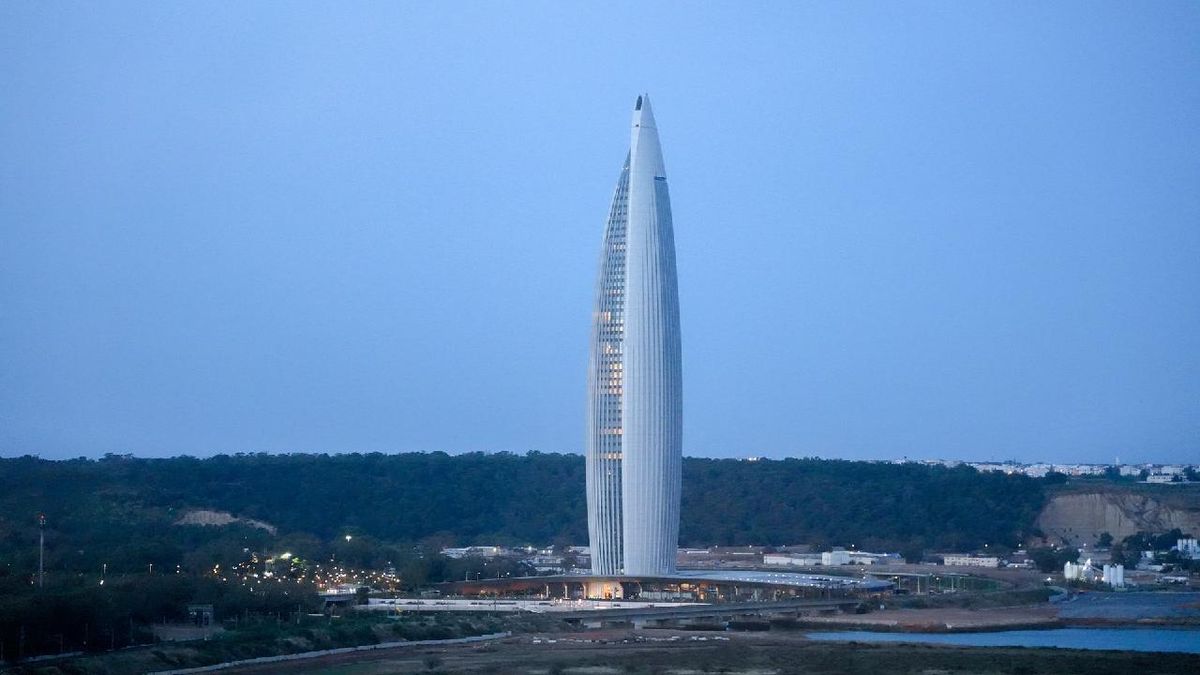
Morocco is embarking on an ambitious national development program, leveraging its co-hosting of the 2030 FIFA World Cup as a catalyst for significant economic and infrastructural transformation. The North African nation, alongside Spain and Portugal, is preparing to welcome a global audience, viewing the event not merely as a sporting spectacle but as a strategic opportunity to accelerate long-term national objectives. This proactive approach underscores Morocco's commitment to enhancing its global standing, diversifying its economy, and solidifying its position as a key player in regional and international affairs.
At the heart of Morocco's strategy is a substantial expansion of its tourism infrastructure and capacity. Tourism Minister Fatim-Zahra Ammor announced plans to increase hotel bed capacity by 60,000, representing approximately a fifth of the current total, by 2030. This expansion is critical for accommodating the anticipated influx of visitors during the World Cup and is part of a broader national goal to attract 26 million tourists annually by the same year, up from nearly 20 million in the previous year. The tourism sector is a cornerstone of the Moroccan economy, contributing about 7% of its Gross Domestic Product (GDP) and employing hundreds of thousands of citizens. The government projects tourism revenue to reach a record $17.14 billion by 2027, a significant increase from $14.78 billion in 2025. This financial injection is expected to fuel further growth and create sustainable economic opportunities.
Beyond hospitality, Morocco is committing over 190 billion dirhams (approximately $20 billion) to a comprehensive infrastructure overhaul. This massive investment targets the development and expansion of rail networks, road systems, airports, stadiums, and other urban infrastructure. While directly supporting the logistical demands of the World Cup, these projects are designed to create lasting value for the Moroccan populace and economy. Improved transportation links will enhance domestic connectivity, facilitate trade, and support industrial growth, extending the benefits of the World Cup far beyond the tournament's duration. The emphasis on modernizing national infrastructure reflects a long-term vision for sustainable development and economic competitiveness.
Co-hosting the 2030 World Cup with two European Union members, Spain and Portugal, carries profound geopolitical and diplomatic weight for Morocco. This collaboration positions Morocco as a crucial bridge between Africa, the Arab world, and Europe, reinforcing its historical and cultural ties across the Mediterranean. The joint bid itself was a testament to successful multilateral diplomacy, showcasing Morocco's ability to engage in complex international partnerships. Furthermore, the country's recent footballing successes – reaching the quarter-finals in 2026 and becoming the first African and Arab nation to reach the semi-finals in Qatar in 2022 – have significantly boosted its global profile and soft power. Leveraging this newfound international recognition, Morocco aims to enhance its brand image, attract foreign investment, and strengthen its influence on the global stage.
Morocco's tourism strategy also includes a deliberate effort to diversify beyond traditional tourist hotspots like Marrakech and Agadir. The capital, Rabat, is being actively promoted as a hub for cultural events, sports, and business travel, capitalizing on its rich history, monuments, museums, and modern facilities. This diversification strategy aims to distribute economic benefits more widely across the country, fostering regional development and reducing over-reliance on a few key destinations. By developing new tourism circuits and experiences, Morocco seeks to offer a more comprehensive and appealing destination for a broader range of international visitors, ensuring the long-term resilience and growth of its tourism sector.
Morocco's preparations for the 2030 FIFA World Cup represent a strategic national endeavor that transcends the realm of sports. It is a meticulously planned initiative to harness a global event for accelerated economic development, infrastructural modernization, and enhanced international standing. By investing heavily in tourism capacity and critical infrastructure, and by strategically leveraging its diplomatic partnerships and soft power, Morocco is positioning itself for sustained growth and increased influence in the coming decade. The World Cup is seen as a powerful accelerator, propelling Morocco towards its aspirations of becoming a leading economic and cultural hub at the crossroads of continents.
Source referenced: CGTN
This brief was synthesized by our Editorial Engine and reviewed by The Ground Narrative team.