TRENDING

Wednesday, 14 October 2026
----------------------
3 Jumada Al-Awwal 1448 AH
Brazilian President Luiz Inácio Lula da Silva's remarkable journey from factory worker to three-term leader has reshaped class relations and propelled Brazil to a central position in the global system. As Lula prepares for his seventh presidential bid, the world watches with bated breath, wondering if he can secure a fourth term and cement Brazil's influence in the 21st century.
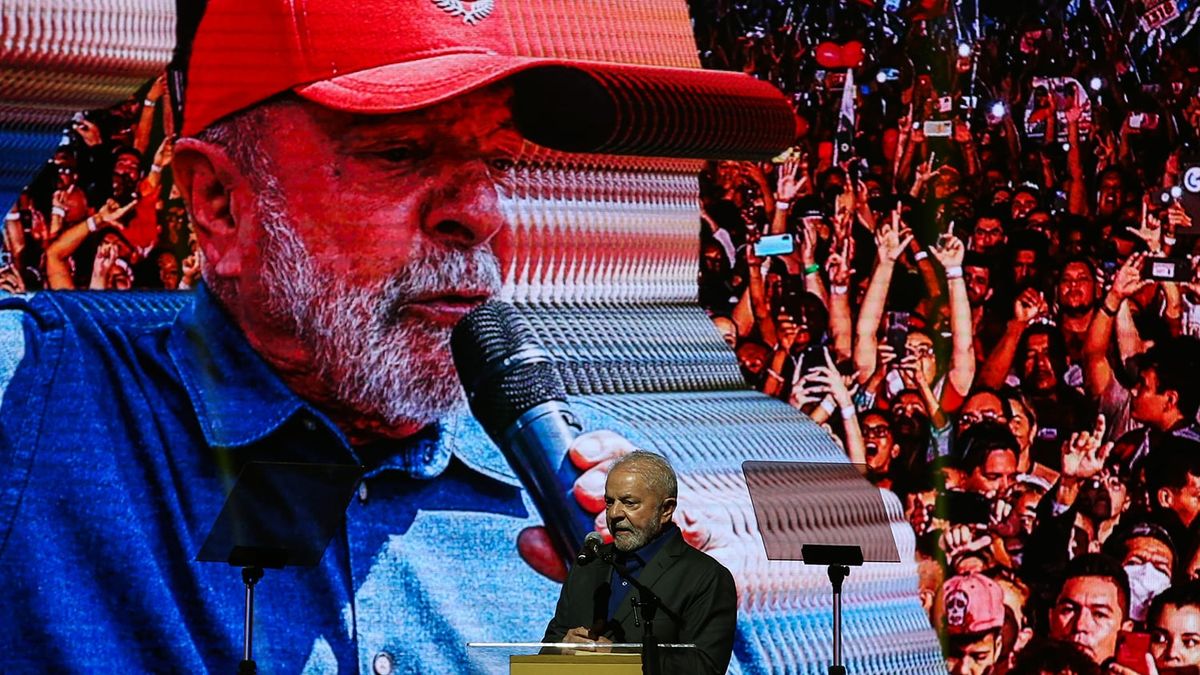
Brazilian President Luiz Inácio Lula da Silva is widely regarded as one of the most successful politicians of the 21st century. His remarkable journey from factory worker to three-term leader has reshaped class relations and propelled Brazil to a central position in the global system. As Lula prepares for his seventh presidential bid, the world watches with bated breath, wondering if he can secure a fourth term and cement Brazil's influence in the 21st century.
Lula's rise to power is deeply rooted in Brazil's complex history. The country's struggle for democracy and economic development has been marked by periods of authoritarian rule, military coups, and social unrest. Lula's Workers' Party (PT), founded in 1980, became a beacon of hope for the Brazilian left, providing a platform for workers, Catholic progressives, and veterans of the anti-dictatorship struggle to come together and fight for a more just society.
Lula's leadership has been characterized by his commitment to social and economic development. He has used executive power to re-shape class relations within Brazil, promoting policies that benefit the working class and the poor. His administration has also played a key role in promoting Brazil's influence in the global system, particularly in the areas of trade and energy.
Brazil's rise to prominence has significant regional implications. As the largest economy in Latin America, Brazil is poised to play a key role in shaping the region's future. Lula's leadership has already led to increased cooperation with other regional powers, including Argentina and Uruguay. However, Brazil's growing influence also raises concerns about the country's role in regional politics and its potential impact on neighboring countries.
As Lula prepares for his seventh presidential bid, the world watches with bated breath, wondering if he can secure a fourth term and cement Brazil's influence in the 21st century. The battle for Brazil's future is far from over, and the outcome will have significant implications for the country, the region, and the world.
Lula's legacy is a testament to the power of politics and the human spirit. His remarkable journey from factory worker to three-term leader has reshaped class relations and propelled Brazil to a central position in the global system. As the world watches with bated breath, wondering if he can secure a fourth term and cement Brazil's influence in the 21st century, one thing is clear: Lula's legacy will continue to shape the future of Brazil and the world for generations to come.
Editor's Note: The outcome of Lula's seventh presidential bid is uncertain, but his legacy is clear: he has reshaped class relations and propelled Brazil to a central position in the global system.
Source referenced: FOREIGNPOLICY
This brief was synthesized by our Editorial Engine and reviewed by The Ground Narrative team.


