TRENDING

Wednesday, 14 October 2026
----------------------
3 Jumada Al-Awwal 1448 AH
Iran’s intensified surveillance and attacks in the Strait of Hormuz have slashed oil transit and put tanker crews in danger. The clash reveals a tug‑of‑war between Tehran’s leverage and Washington’s naval dominance.
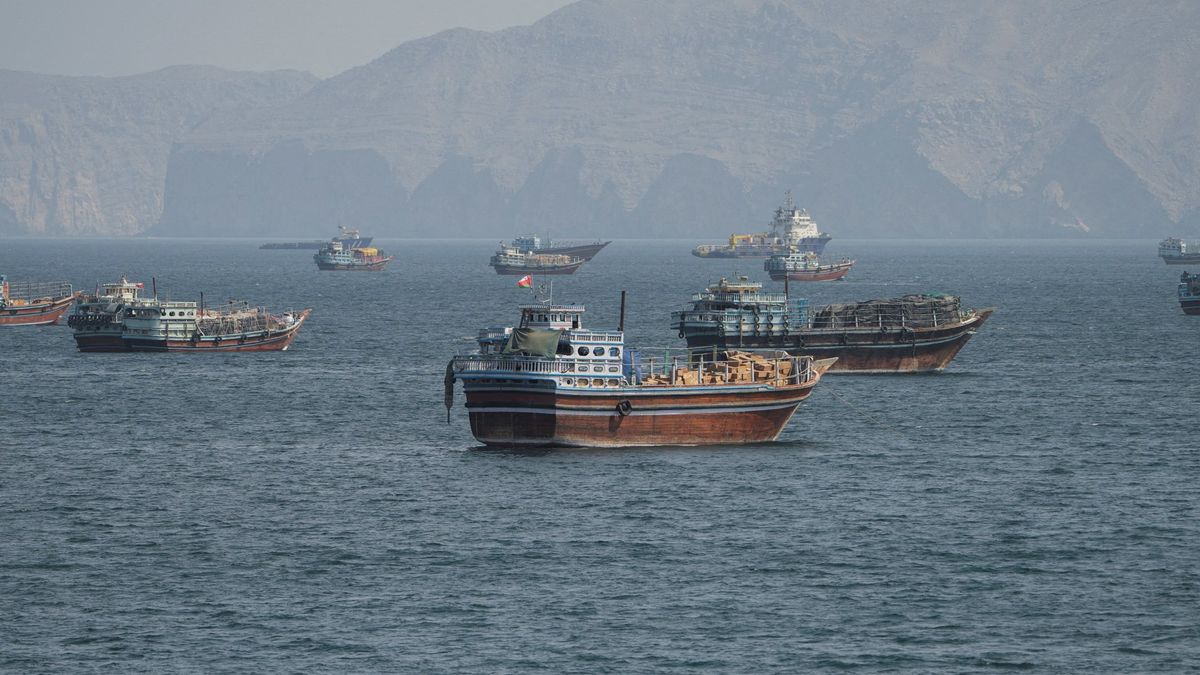
Iran’s navy announced a new surveillance formation east of the Strait of Hormuz, deploying small boats, drones and spotters to monitor every transponder‑equipped vessel. Within ten days the waterway saw a record spate of attacks – ten tankers hit between September 28 and October 4, followed by at least fifteen more incidents through October 14, according to maritime trackers. The surge coincided with a sharp drop in oil flow, from a pre‑war average of 17.1 million barrels per day to just 2.9 million barrels on October 11, while Brent crude edged above $106 a barrel.
The flashpoint in Hormuz is less about geography than about bargaining chips. Iran faces a U.S. naval blockade of its southern ports and tightening sanctions, so it has turned the chokepoint into a lever to extract concessions. By threatening the free passage of oil, Tehran hopes to force Washington to soften its demands on the reopening of the strait and on broader sanctions relief.
For the United States, keeping the waterway open is a matter of credibility. The U.S. Navy’s escort missions and the so‑called shuttle system – smaller vessels ferrying oil to larger tankers under U.S. protection – signal to Gulf allies that American power can guarantee market stability. The recent shift in IRGC tactics, from missile strikes to low‑profile dhows that call in targets, reflects a cost‑effective way to keep pressure on shipping without provoking a full‑scale naval clash.
The oil market itself amplifies the stakes. Global crude prices have risen as insurers raise premiums and shippers demand hazard pay for crews. Higher prices translate into windfall profits for some energy firms, while consumer nations feel the pinch at the pump. At the same time, the timing of the intensified attacks – a week before the U.S. midterm elections – suggests Tehran is trying to influence political calculations in Washington, betting that a volatile energy market will become a campaign issue.
Commercial seafarers now face a battlefield that was once a routine highway. Captains receive bonuses that can double their monthly wages, but the danger of sudden projectile strikes or drone overflights means families live with constant anxiety. When a tanker is hit, crew members often have to abandon ship in hostile waters, relying on rescue assets that may be delayed by ongoing hostilities.
Ports in Gulf states such as Saudi Arabia and the United Arab Emirates have seen export volumes dip sharply, hurting local revenues that fund public services and subsidies. Small coastal towns that depend on ancillary shipping activities – from ship‑chandling to catering – experience sudden income loss, while higher insurance costs are passed on to consumers in the form of pricier fuel.
Sanctions already strain Iran’s economy; the naval blockade and the risk of further escalation threaten jobs in the maritime sector, from dockworkers in Bandar Abbas to fishermen whose waters are now militarized. Even as the regime projects strength, ordinary Iranians confront food shortages and inflation exacerbated by the broader conflict.
Official narratives from both Tehran and Washington downplay the civilian dimension. Official statements from Iran frame the attacks as “self‑defence” against an illegal blockade, omitting the fact that many of the targeted vessels are flagged by neutral countries and carry no military cargo. Conversely, the U.S. emphasizes that “the Strait remains under American control,” sidestepping the reality that its escort missions rely heavily on commercial contracts and that the shuttle system itself is a profit‑driven enterprise.
Insurance firms and energy companies quietly benefit from the volatility. Higher freight rates and premium insurance policies boost their bottom lines, yet public disclosures rarely link profit spikes to the human toll on crews and coastal communities. Moreover, the media focus on the geopolitical chessboard often eclipses the stories of shipyard workers in Oman or the families of sailors who have lost loved ones to stray projectiles.
Another layer of omission concerns diplomatic back‑channel efforts. While Tehran accuses Washington of ignoring its “seven conditions” for reopening the strait, there is little public evidence of serious multilateral mediation involving regional actors such as Qatar or Pakistan. The silence masks a possible stalemate where both sides calculate that a controlled level of disruption serves their longer‑term strategic aims.
Analysts should monitor three interlinked signals. First, any change in the frequency or intensity of future attacks – a sudden lull could indicate a back‑channel deal, while an escalation may precede a broader regional showdown. Second, the trajectory of diplomatic talks involving the United Nations, the Gulf Cooperation Council and neutral mediators; subtle shifts in language can foreshadow concessions or new sanctions.
Finally, keep an eye on oil flow data released by tracking firms such as Kpler. A rebound to pre‑war volumes would suggest the shuttle system is holding, whereas sustained low throughput would pressure both Tehran and Washington to renegotiate the terms of engagement. The human stories – from the deckhands braving drones to the families counting on oil revenues – will remain the true barometer of who ultimately wins and who continues to pay.
Iran is using the chokepoint to pressure the United States for sanctions relief and to influence the upcoming U.S. midterm elections by creating energy market volatility.
Disruptions raise insurance premiums and force shippers to pay hazard bonuses, which push up freight costs and, in turn, lift global crude prices.
While the U.S. Navy conducts escort missions, commercial shuttle services and regional partners also play a role, making the security arrangement a mixed public‑private effort.
Editor's Note: Analysis based on publicly available reports and expert commentary up to October 2026.
Source referenced: ALJAZEERA
This brief was synthesized by our Editorial Engine and reviewed by The Ground Narrative team.


