TRENDING

Wednesday, 14 October 2026
----------------------
3 Jumada Al-Awwal 1448 AH
Beijing's 12345 hotline system, a centralized mechanism for public complaints and requests, is being showcased as a model for urban governance globally. This system offers a glimpse into how powerful states seek to manage vast populations while consolidating control.
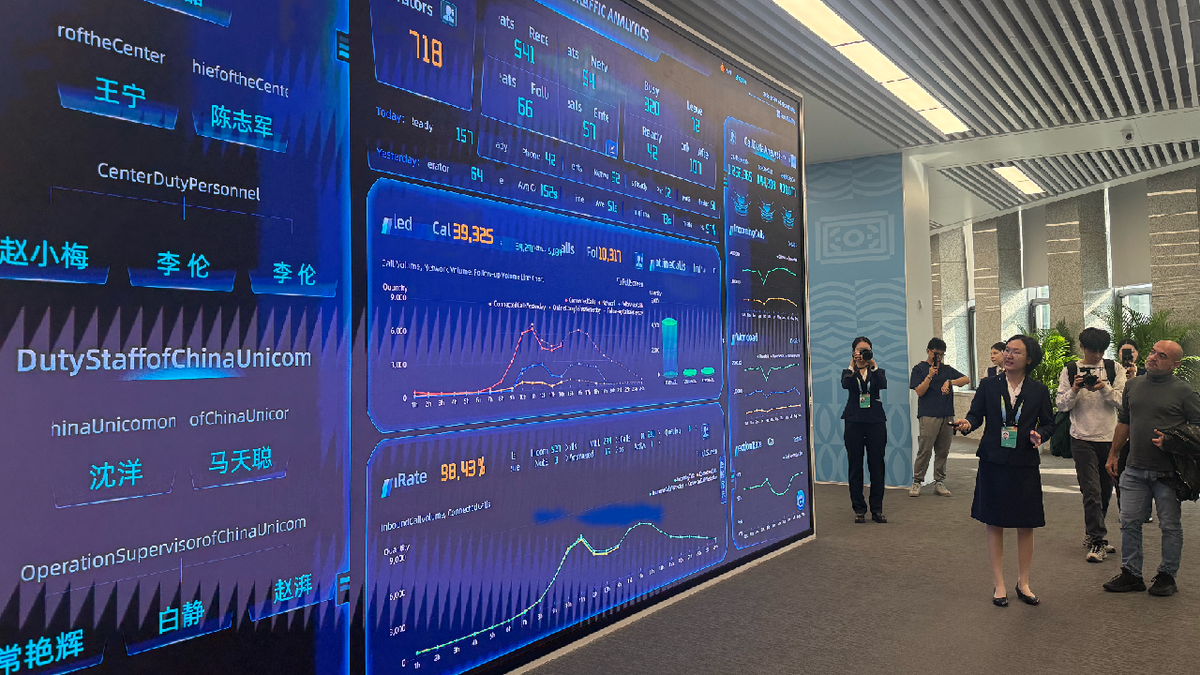
In October 2026, Beijing hosted the Forum on Swift Response to Public Complaints, an event designed to showcase China's 12345 hotline system as a leading model for urban governance. Attracting over 3,200 participants, including more than 240 international guests from over 70 countries, particularly from the Global South, the forum highlighted the hotline's role in addressing citizen concerns rapidly and efficiently. The 12345 system serves as a unified, non-emergency government service number, processing tens of millions of requests annually—from noise complaints to housing issues—and promising a direct channel for residents to engage with local authorities. This initiative underscores Beijing's ambition to share its governance philosophy and practical solutions with a global audience, framing its centralized approach as a blueprint for modern urban management.
The 12345 hotline system, while presented as a public service, is a sophisticated instrument of state power, deeply embedded in China's unique governance model. At its core, the system reinforces the legitimacy of the Chinese Communist Party (CCP) by demonstrating its capacity to deliver tangible results and maintain social order. In a political system where direct electoral accountability is absent, the CCP relies heavily on performance legitimacy—its ability to improve citizens' lives and solve their problems. The 12345 hotline provides a direct, measurable channel for this, allowing the government to appear responsive and effective in managing the complexities of megacities like Beijing.
This centralized grievance mechanism also serves as a critical feedback loop and an early warning system for the state. By consolidating all non-emergency complaints and requests into a single platform, the government gains an unparalleled real-time understanding of public sentiment, emerging social issues, and potential hotspots of discontent. This data is invaluable for preemptive problem-solving, allowing authorities to address minor grievances before they escalate into broader social unrest. The principle of "the street whistles, the department responds" is not just about efficiency; it's about channeling citizen concerns into a controlled, bureaucratic process that mitigates the need for independent advocacy or collective action outside state-sanctioned channels.
Furthermore, the forum itself is a significant soft power play. By inviting international delegates, particularly from the Global South, China positions itself as a global leader in urban innovation and governance. This aligns with Beijing's broader foreign policy objectives, such as the Belt and Road Initiative (BRI), which seeks to export China's development model and governance norms. The 12345 system offers a compelling narrative: a highly efficient, technologically advanced solution to urban challenges that bypasses the perceived inefficiencies or ideological baggage of Western democratic models. It suggests that a strong, centralized state can be more effective in serving its citizens, subtly promoting an alternative vision of governance on the global stage.
The system's evolution from fragmented "Mayor's Hotlines" in the 1980s to a unified, digitally integrated platform demonstrates a long-term strategic commitment to state capacity building. This consolidation allows for standardized procedures, data aggregation, and the application of advanced analytics, further enhancing the state's ability to govern. The sheer scale—200 million requests handled over seven years—underscores the massive investment in infrastructure, technology, and human resources, reflecting the high priority the CCP places on this form of governance.
While the 12345 hotline promises to give every citizen a voice, its centralized nature carries significant human costs, particularly concerning individual autonomy and privacy. For the ordinary resident, the system offers a convenient way to resolve daily annoyances, from railway noise to consumer disputes. This immediate gratification can foster a sense of being heard and cared for by the state, reinforcing trust in the government's ability to manage their lives.
However, this convenience comes at a price. Every call, every complaint, every request for assistance becomes a data point. In China's extensive surveillance ecosystem, where digital technologies are deeply integrated into social control, this data can be used to build comprehensive profiles of citizens. While the stated purpose is public service, the potential for this information to be used for monitoring, identifying
The 12345 hotline is a unified, non-emergency government service number in Beijing, China, designed for residents and businesses to report complaints, ask questions, and request assistance. It aims to provide rapid response and efficient handling of urban issues, consolidating public feedback into a single channel.
The system enhances the Chinese Communist Party's legitimacy by demonstrating its responsiveness to public concerns and its ability to maintain social stability. It also serves as a crucial data collection tool, providing real-time insights into public sentiment and emerging social issues, enabling preemptive problem-solving and social control.
While offering convenience, the system can lead to an illusion of participation, channeling grievances into bureaucratic processes rather than fostering genuine citizen empowerment. It also raises concerns about data privacy and surveillance, as every interaction contributes to a vast state database, potentially used for monitoring and control beyond service delivery.
Source referenced: CGTN
This brief was synthesized by our Editorial Engine and reviewed by The Ground Narrative team.


