TRENDING

Monday, 5 October 2026
----------------------
24 Rabi' Al-Thani 1448 AH
Lithuania's parliamentary parties have agreed to lift a constitutional ban on nuclear weapons and foreign military bases, a move signaling a profound shift in the Baltic nation's security posture. This decision, driven by escalating geopolitical tensions with Russia, aims to bolster deterrence and align Lithuania more fully with NATO's collective defense strategy.
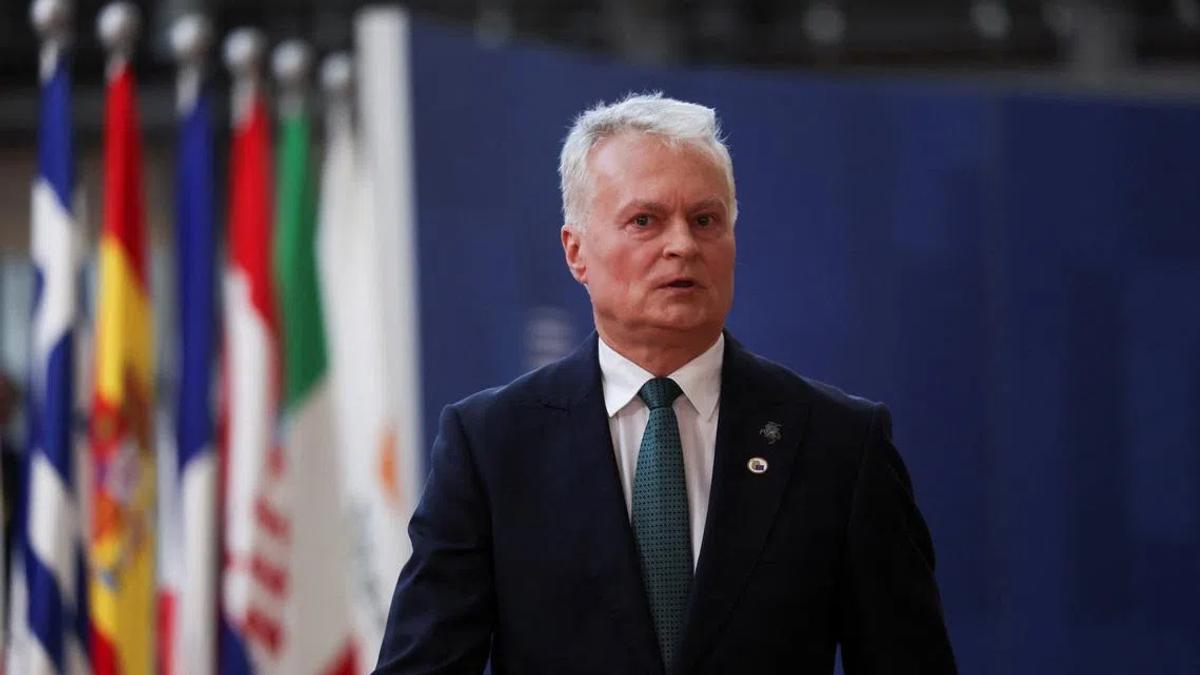
In a significant development reflecting the rapidly evolving security landscape in Eastern Europe, Lithuania's parliamentary parties have reached a consensus to initiate the process of lifting a constitutional ban on nuclear weapons and foreign military bases. This proposed legal overhaul, which requires a two-thirds majority in two parliamentary votes, marks a fundamental re-evaluation of the nation's defense strategy, originally enshrined over three decades ago following its independence from the Soviet Union.
President Gitanas Nauseda articulated the rationale behind this decision on Thursday, July 2, 2026, stating that the "geopolitical situation is getting worse" and that the existing constitution was drafted under vastly different circumstances. This move, therefore, is not merely a legal adjustment but a strategic imperative driven by the perceived threat from Russia, particularly in the wake of its 2022 invasion of Ukraine.
Lithuania, a NATO member, shares sensitive land borders with the Russian exclave of Kaliningrad and Moscow's close ally, Belarus. This geographical proximity places it on the front lines of potential confrontation, necessitating robust deterrence capabilities. Since the Ukraine war, Vilnius has significantly ramped up its defense spending, tripling it to modernize its armed forces, fortify its borders, and prepare for the permanent deployment of a combat-ready German brigade by 2027. The lifting of the constitutional ban is a logical extension of these efforts, designed to remove any legal impediments to strengthening its defense posture and integrating fully into NATO's collective security framework.
The existing ban, described by Linas Kojala, head of Vilnius's Geopolitics and Security Studies Center, as likely the strictest among NATO allies, predates Lithuania's accession to the alliance. Its removal is seen as crucial to ensuring that "the nuclear weapons of the Allies are an essential element of deterrence" can be fully leveraged without domestic legal obstacles. While President Nauseda has clarified that there are no immediate plans to store nuclear weapons on Lithuanian soil, the amendment provides the necessary flexibility to respond decisively should the security situation further deteriorate. Lithuania also reaffirms its commitment to the nuclear Non-Proliferation Treaty (NPT), indicating that this move is about strategic flexibility within existing international frameworks, rather than an intent to acquire its own nuclear arsenal.
This decision by Lithuania is not an isolated event but rather part of a broader regional trend among states bordering Russia to enhance their deterrence capabilities. It follows a similar announcement four months prior by NATO ally Finland, which also shares a long border with Russia, to repeal its own decades-old legal ban on nuclear weapons. Finland's move came in the wake of its historic decision to join NATO in 2023, a direct consequence of Russia's aggression in Ukraine.
The synchronized actions of Finland and Lithuania underscore a fundamental shift in the security calculus of these nations. For decades, many European states, particularly those with historical ties to the Soviet bloc, sought to maintain a degree of strategic ambiguity or non-alignment. However, Russia's assertive foreign policy and military actions have compelled these nations to embrace a more explicit and robust deterrence posture, often involving closer integration with NATO's strategic assets, including its nuclear umbrella. The potential adoption of these amendments by the end of 2026, as suggested by Parliament Speaker Juozas Olekas, would solidify this strategic reorientation.
From a geopolitical perspective, Lithuania's move sends a clear message to Moscow regarding the resolve of NATO's eastern flank. It signals a willingness to take all necessary steps to ensure national and collective security, even if it means overturning long-standing constitutional provisions. This enhanced flexibility could potentially allow for the deployment of NATO's tactical nuclear weapons on Lithuanian territory in a crisis, thereby strengthening the alliance's overall deterrence posture in the Baltic Sea region.
However, this development is also likely to be viewed by Russia as an escalatory step, potentially leading to counter-measures or increased military posturing in Kaliningrad and Belarus. The long-term implications will depend on how this strategic re-alignment is managed diplomatically and militarily by both NATO and Russia. Ultimately, Lithuania's decision reflects a profound adaptation to a new era of great power competition, where the principles of deterrence and collective defense are being reasserted with renewed urgency on Europe's eastern frontier.
Source referenced: STRAITSTIMES
This brief was synthesized by our Editorial Engine and reviewed by The Ground Narrative team.