TRENDING

Monday, 26 October 2026
----------------------
15 Jumada Al-Awwal 1448 AH
Kosovo's latest election has yielded a similar result to the previous two, with the incumbent prime minister's party securing a clear victory but failing to secure a majority. This 'Groundhog Day' politics has significant implications for the country's relations with the EU and NATO, and raises concerns about the future of regional stability.
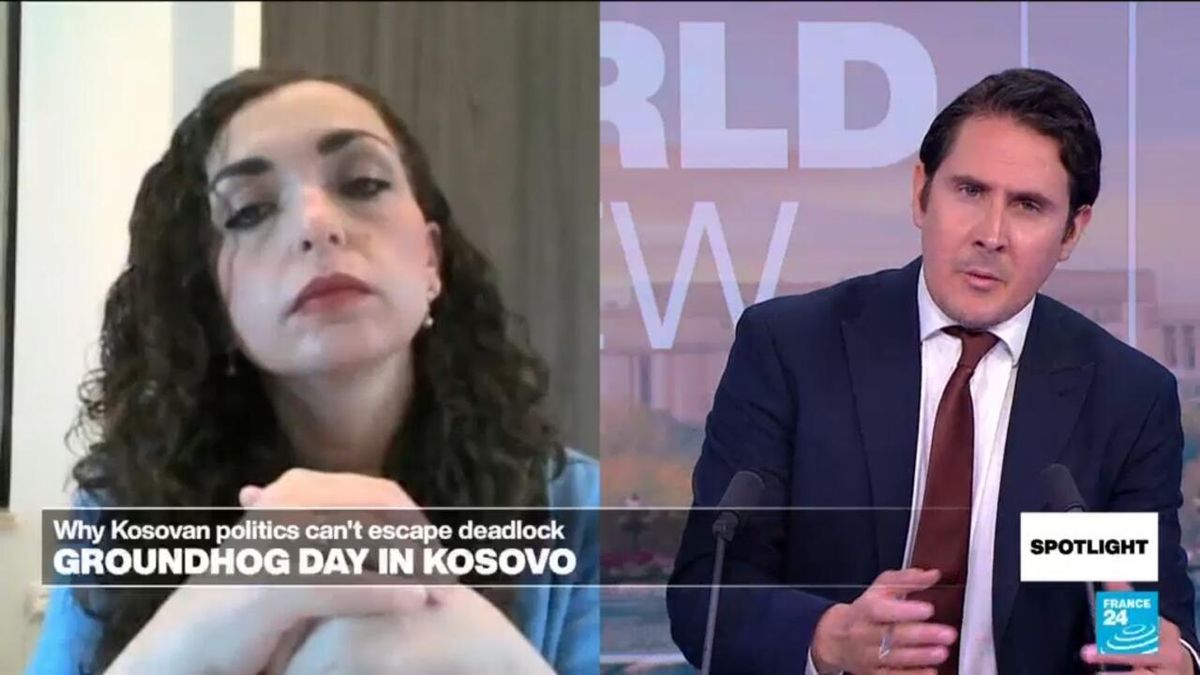
Kosovo's latest election has once again failed to produce a functioning government, with the incumbent prime minister's party securing a clear victory but failing to secure a majority. This 'Groundhog Day' politics has significant implications for the country's relations with the EU and NATO, and raises concerns about the future of regional stability.
Kosovo's political deadlock is not a new phenomenon. The country has been plagued by instability and power struggles since its declaration of independence from Serbia in 2008. Despite three elections in the past 16 months, Kosovo has failed to form a stable government, with the incumbent prime minister's party struggling to secure a majority.
The EU and NATO have been keen to support Kosovo's integration into the Western bloc, but the country's political instability has hindered progress. The EU's enlargement strategy for the Western Balkans has been put on hold due to Kosovo's failure to meet the necessary criteria. NATO's efforts to strengthen regional security have also been hampered by Kosovo's instability.
Kosovo's political deadlock has significant implications for the region. The country's instability has created an opportunity for external actors to exert influence, with Serbia and Russia seeking to undermine Kosovo's sovereignty. The EU and NATO must navigate this complex web of interests to ensure regional stability.
The consequences of Kosovo's political deadlock are far-reaching. The country's instability has created a power vacuum that external actors are eager to fill. The EU and NATO must take decisive action to support Kosovo's integration into the Western bloc and ensure regional stability.
Kosovo's political deadlock is a critical issue that requires urgent attention. The country's instability has significant implications for regional stability and the EU's enlargement strategy. The EU and NATO must work together to support Kosovo's integration into the Western bloc and ensure the country's sovereignty is respected.
Editor's Note: The analysis is based on publicly available information and may not reflect the full complexity of the situation.
Source referenced: FRANCE24
This brief was synthesized by our Editorial Engine and reviewed by The Ground Narrative team.