TRENDING

Friday, 2 October 2026
----------------------
21 Rabi' Al-Thani 1448 AH
Deadly protests have erupted in Pakistan-administered Kashmir ahead of regional elections, exposing deep-seated divisions and unaddressed grievances. The unrest is a symptom of a broader struggle for self-determination and autonomy in the disputed territory.
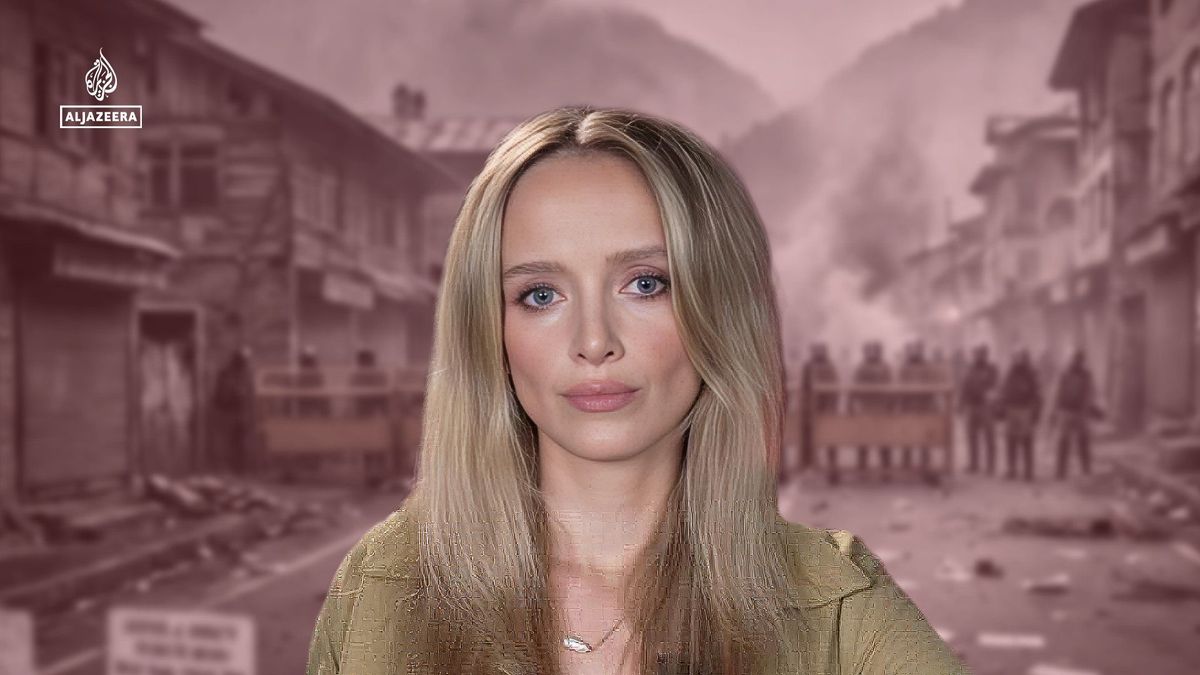
Pakistan-administered Kashmir is facing its most significant political crisis in years, with deadly protests breaking out ahead of a final round of voting in regional elections. The unrest has highlighted the deep-seated divisions and unaddressed grievances in the disputed territory.
The Kashmir region has been a point of contention between India and Pakistan since the partition of British India in 1947. The territory is divided between Indian-administered Kashmir and Pakistan-administered Kashmir, with both countries claiming sovereignty over the entire region. The power dynamics at play are complex, with India and Pakistan engaging in a decades-long struggle for control, while the people of Kashmir are often caught in the middle. The regional elections in Pakistan-administered Kashmir have become a focal point for these tensions, with many Kashmiris feeling that their voices are not being represented.
The people of Kashmir are bearing the brunt of the unrest, with protesters and civilians caught in the crossfire. The region has a long history of human rights abuses, with allegations of torture, disappearances, and extrajudicial killings. The current protests are a manifestation of the deep-seated frustrations and grievances of the Kashmiri people, who feel that their right to self-determination is being denied. The humanitarian situation in the region is precarious, with many families displaced and living in fear of violence.
What is being downplayed in the official narrative is the role of external actors in fueling the conflict. Both India and Pakistan have been accused of supporting militant groups in the region, which has contributed to the escalation of violence. Additionally, the economic interests of external powers are also at play, with the region's strategic location and natural resources making it a coveted prize. The people of Kashmir are often reduced to pawns in a larger game of geopolitical chess, with their voices and concerns ignored.
As the situation in Pakistan-administered Kashmir continues to unfold, readers should watch for any signs of escalation or de-escalation. The regional elections will be a key indicator of the direction of the conflict, with the potential for further violence or peaceful resolution. The international community should also be vigilant, as the conflict in Kashmir has the potential to draw in external actors, with far-reaching consequences for the region and beyond.
Editor's Note: The situation in Kashmir is complex and multifaceted, with various actors and interests at play. While this analysis provides a nuanced understanding of the conflict, the rapidly evolving nature of the situation may require further updates and revisions.
Source referenced: ALJAZEERA
This brief was synthesized by our Editorial Engine and reviewed by The Ground Narrative team.


