TRENDING

Sunday, 4 October 2026
----------------------
23 Rabi' Al-Thani 1448 AH
The US has received several unverified warnings from Israel about potential Iranian plots to assassinate President Donald Trump, highlighting the complex dynamics of intelligence sharing and its impact on US policy. Despite the lack of verification, these warnings have influenced the Trump administration's decision-making on Iran, underscoring the significant role Israeli intelligence plays in shaping US policy in the region.
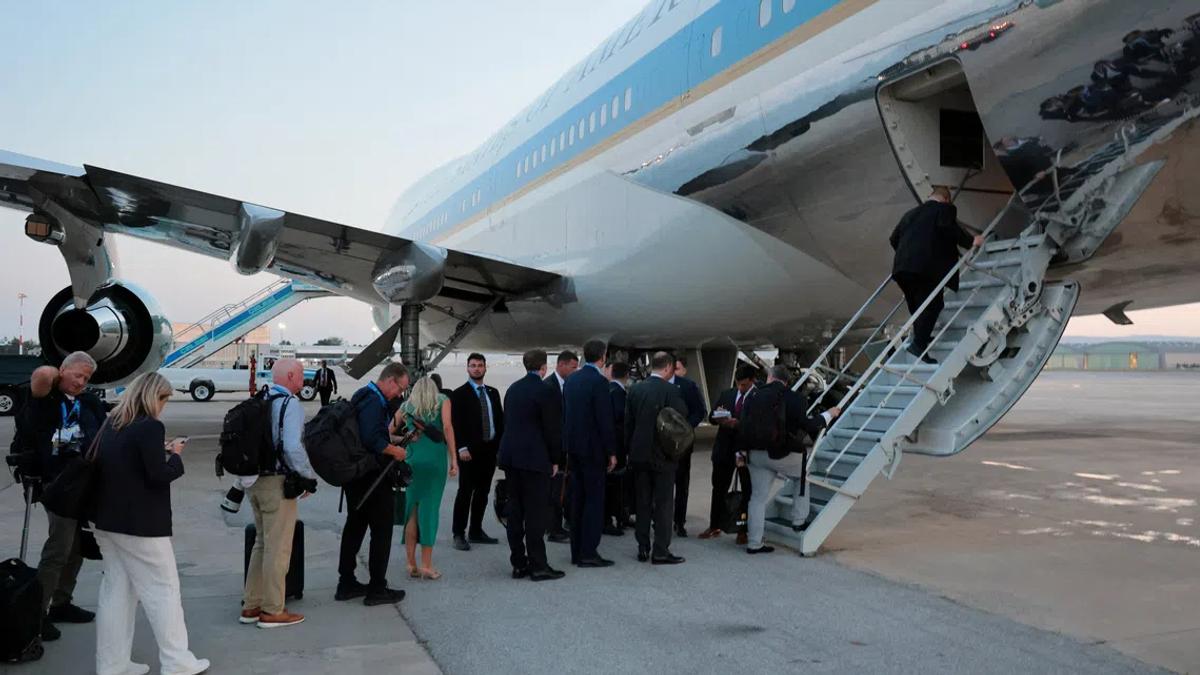
The US has received several warnings from Israel over the past year about potential Iranian plots to assassinate President Donald Trump. These warnings, which included possible plots to shoot Trump with a sniper or recruit someone to attack him with a knife at a large public event, were passed to US intelligence agencies and in some cases relayed directly by Israeli officials to senior White House officials. However, US intelligence officials have been unable to independently verify these warnings.
The US has long relied heavily on Israeli intelligence on Middle East matters, particularly as they relate to Iran. This close alliance has led to a significant influence of Israeli intelligence on US policy, with Israeli officials often briefing senior Trump officials directly on Iranian threats. The lack of verification of these warnings has not stopped the Trump administration from taking steps to mitigate the threats, including an extraordinary deception operation during a trip to Turkey. This highlights the complex dynamics of intelligence sharing and its impact on US policy, with Israeli intelligence playing a significant role in shaping the administration's decision-making on Iran.
The potential consequences of these unverified warnings are significant, with the possibility of increased tensions and conflict between the US and Iran. The human cost of such a conflict would be substantial, with potential losses on both sides and significant destabilization of the region. Furthermore, the influence of Israeli intelligence on US policy has led to disagreements between US and Israeli intelligence assessments on Iran's threat overall, with American intelligence agencies assessing that Iran was not actively building a nuclear weapon, while Israel argued Tehran posed an urgent threat.
What is being downplayed in this situation is the potential for Israeli intelligence to be used as a tool to influence US policy on Iran. The Israeli embassy has disputed claims that Israel is using its intelligence to influence US policy, but the fact remains that Israeli intelligence has played a significant role in shaping the Trump administration's decision-making on Iran. The lack of verification of these warnings and the potential for them to be used as a pretext for military action against Iran is a significant concern, with the potential for devastating consequences for the region and the world.
As the situation continues to unfold, it is essential to watch for any further developments in the relationship between the US and Iran, particularly in light of the potential for Israeli intelligence to influence US policy. The potential for increased tensions and conflict between the two nations is significant, and the human cost of such a conflict would be substantial. It is also essential to monitor the role of Israeli intelligence in shaping US policy, with a critical eye towards the potential for it to be used as a tool to influence decision-making. The next few months will be crucial in determining the trajectory of US-Iran relations, and it is essential to be vigilant in monitoring developments and holding those in power accountable for their actions.
Editor's Note: The analysis is based on publicly available information and may not reflect the full complexity of the situation.
Source referenced: STRAITSTIMES
This brief was synthesized by our Editorial Engine and reviewed by The Ground Narrative team.


