TRENDING

Monday, 5 October 2026
----------------------
24 Rabi' Al-Thani 1448 AH
Israeli far-right minister Itamar Ben-Gvir has sparked controversy by posting an AI-generated video depicting a starving Palestinian prisoner, highlighting the use of propaganda in election campaigns. The move is part of a broader strategy to promote his tough stance on Palestinians ahead of October's elections.
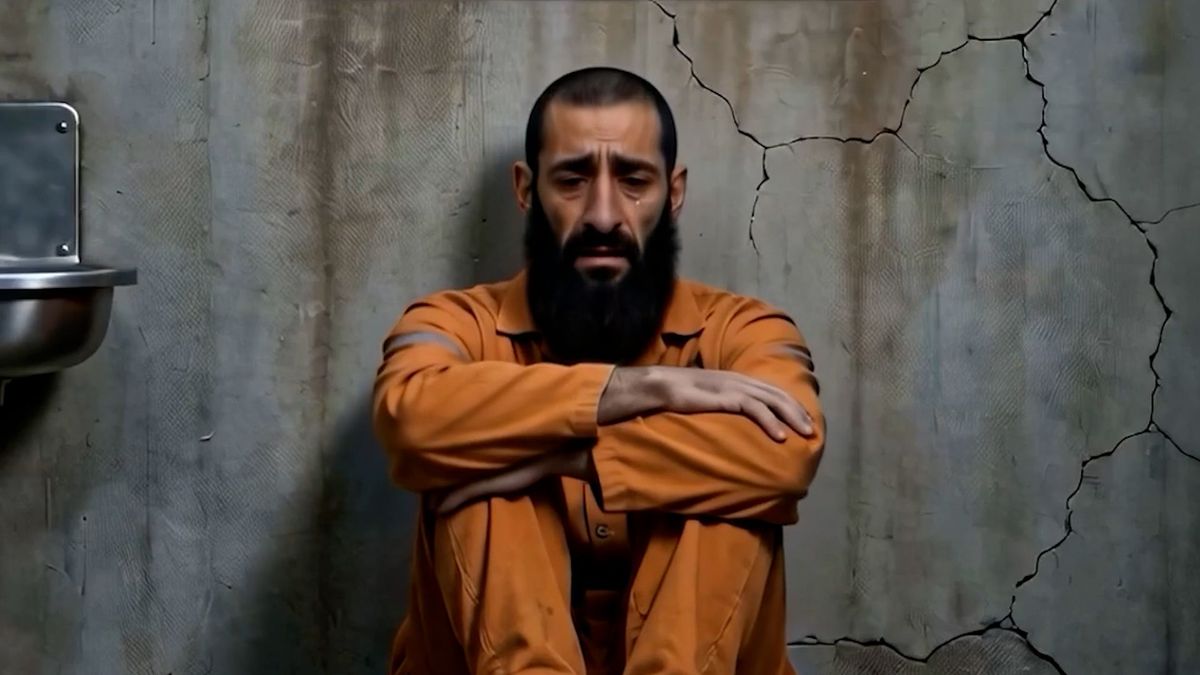
Israeli Minister Itamar Ben-Gvir recently posted a video that has garnered significant attention for its controversial content. The video, generated using AI, depicts a starving Palestinian prisoner, alongside real footage mocking detainees who have spoken out about the poor conditions in jails. This move is seen as a campaign tactic to bolster his image as a hardliner on Palestinian issues, particularly in the lead-up to the elections scheduled for October.
The use of such a video by a high-ranking government official like Ben-Gvir underscores the deep-seated political polarization and the strategic employment of emotional and provocative content to sway public opinion. In the context of Israeli politics, particularly on the eve of elections, such maneuvers are designed to appeal to certain segments of the electorate who support a tougher stance on Palestinian prisoners and the broader Palestinian issue. This approach is rooted in the complex power dynamics within Israeli society, where security concerns and nationalist sentiments play a significant role in shaping political discourse.
The human cost of such political maneuvers is often overlooked in the heat of election campaigns. For Palestinian prisoners and their families, the conditions in Israeli jails are a stark reality that involves overcrowding, inadequate access to medical care, and limited family visitation rights. The use of AI-generated videos and real footage to mock these prisoners not only dehumanizes them but also ignores the underlying issues of occupation, displacement, and the right to self-determination that are central to the Israeli-Palestinian conflict. The families and communities affected by these policies are often left to pick up the pieces, dealing with the emotional and psychological trauma inflicted by such actions.
What is being downplayed in this scenario is the systematic use of propaganda and disinformation in political campaigns, not just in Israel but globally. The deployment of AI-generated content to influence public opinion raises critical questions about the ethics of political advertising and the responsibility of social media platforms in regulating such content. Furthermore, the international community's response to such tactics, or the lack thereof, highlights the selective application of human rights standards and the double standards in international relations. The narrative around Palestinian prisoners and the conditions they face is often simplified or politicized, obscuring the complex historical, legal, and humanitarian aspects of their situation.
As the elections in Israel approach, it will be crucial to watch how different political parties and candidates navigate the sensitive issue of Palestinian prisoners and the broader conflict. The reaction of the international community, including human rights organizations and major world powers, will also be significant. Moreover, the impact of social media in shaping public opinion and the regulation of AI-generated political content will be under scrutiny. Ultimately, the outcome of these elections and the subsequent policies adopted by the Israeli government will have profound implications for the peace process, regional stability, and the human rights of Palestinians.
Editor's Note: The analysis is based on publicly available information and may not reflect the full complexity of the situation on the ground.
Source referenced: ALJAZEERA
This brief was synthesized by our Editorial Engine and reviewed by The Ground Narrative team.


