TRENDING

Saturday, 24 October 2026
----------------------
13 Jumada Al-Awwal 1448 AH
Israel's military campaign in southern Lebanon has sparked concerns about a potential occupation, with experts debating the implications of a 'security buffer zone' and the role of international pressure in reining in Israeli forces.
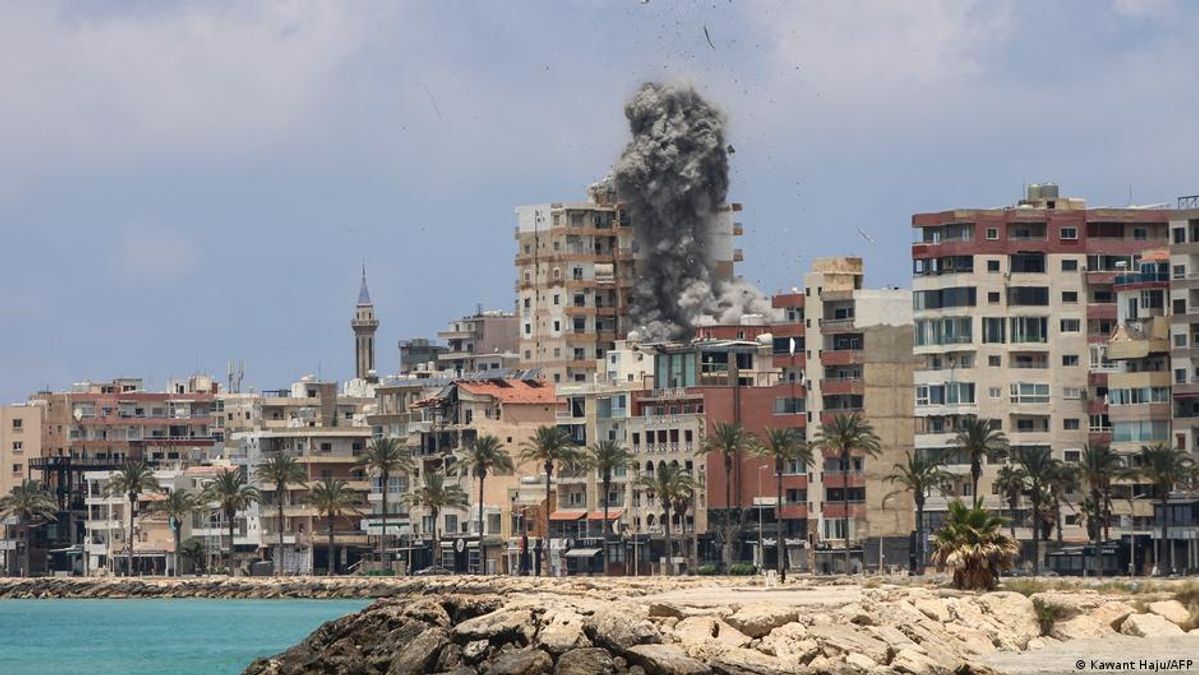
Israel's military campaign in southern Lebanon has sparked concerns about a potential occupation, with experts debating the implications of a 'security buffer zone' and the role of international pressure in reining in Israeli forces.
The Israeli military has been conducting airstrikes and artillery attacks in southern Lebanon, with the goal of targeting the Lebanese militant group Hezbollah. The campaign has led to the displacement of over a million people, with many taking shelter in Beirut. The Israeli government has stated that its goal is to create a 'security buffer zone' in southern Lebanon, but experts argue that this is a euphemism for territorial control and deterrence.
Israel's motivations for the campaign are complex and multifaceted. On one hand, the government is seeking to protect its citizens from attacks by Hezbollah. On the other hand, the campaign is also seen as an opportunity to expand Israel's territorial control and create a long-term security zone. This strategy is reminiscent of Israel's 1982 occupation of Lebanon, which ultimately led to a prolonged and bloody conflict.
The implications of Israel's campaign in southern Lebanon are far-reaching and have significant regional consequences. The displacement of over a million people has created a humanitarian crisis, with many struggling to access basic necessities like food and medicine. The campaign has also led to a significant escalation of tensions between Israel and Hezbollah, with both sides engaging in a cycle of violence and retaliation.
The international community has been slow to respond to the crisis in southern Lebanon, but there are growing calls for action. The US, as Israel's key ally, has a significant role to play in reining in Israeli forces and promoting a peaceful resolution to the conflict. Other countries, including Germany, could also play a crucial role in pressuring Israel to observe a genuine ceasefire and withdraw its forces.
The future consequences of Israel's campaign in southern Lebanon are uncertain, but there are several possible scenarios. If the campaign continues, it could lead to a prolonged and bloody conflict, with significant humanitarian consequences. On the other hand, if international pressure is successful in reining in Israeli forces, it could lead to a peaceful resolution to the conflict and a significant reduction in tensions between Israel and Hezbollah.
Israel's military campaign in southern Lebanon has sparked concerns about a potential occupation, with experts debating the implications of a 'security buffer zone' and the role of international pressure in reining in Israeli forces. The campaign has significant regional consequences, including a humanitarian crisis and an escalation of tensions between Israel and Hezbollah. The international community must take action to promote a peaceful resolution to the conflict and prevent further bloodshed.
Source referenced: DW
This brief was synthesized by our Editorial Engine and reviewed by The Ground Narrative team.