TRENDING

Saturday, 24 October 2026
----------------------
13 Jumada Al-Awwal 1448 AH
Prime Minister Benjamin Netanyahu ordered a sweeping house‑to‑house campaign in Hebron, reviving tactics last seen in 1967. The move reshapes power balances while ordinary Palestinians bear the brunt.
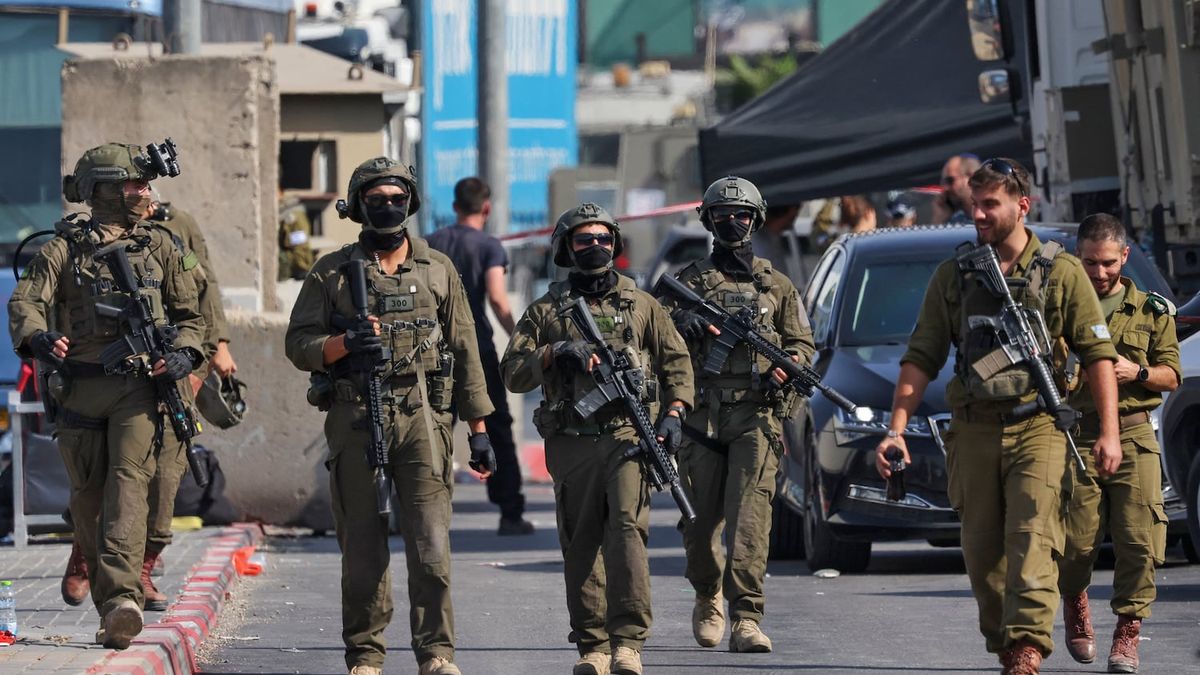
Two gunmen opened fire on an Israeli checkpoint near Hebron, killing two soldiers and wounding three. Within hours, Benjamin Netanyahu announced a full‑scale operation, promising to “destroy” what he called terrorist strongholds and to seal off the West Bank. The order invoked language reminiscent of the 1967 Six‑Day War, signaling a shift from targeted raids to a broader, city‑wide siege. While the initial plan mentioned a complete closure, the prime minister later softened the rhetoric, speaking of a “cordon” around Hebron and Halhul, yet the operational tempo remained aggressive, echoing the 2025 Jenin campaign.
Netanyahu faces a precarious political calculus. His coalition leans heavily on far‑right parties that demand decisive action against any perceived Palestinian threat. By framing the Hebron operation as a national security imperative, he consolidates support among hard‑liners and distracts from his looming corruption trial and the unresolved Gaza hostage crisis. Internationally, Israel seeks to signal resolve to allies, especially the United States, which has signaled tolerance for calibrated force as long as it does not destabilize the broader region. Economically, the operation threatens to disrupt the already fragile labor market that links West Bank workers to Israeli industries; however, the settlement bloc benefits from promises of expanded infrastructure and new housing, reinforcing a settlement‑centric growth model. Militarily, the operation revives a doctrine of “area denial” – using overwhelming force to deter insurgent activity, while also testing the Israeli Defense Forces’ capacity to conduct urban warfare without escalating into full‑scale civil war.
Hundreds of Palestinian households in Hebron’s refugee camps face forced evacuation. Past operations in Jenin displaced over 10,000 people; similar patterns are emerging now, with families losing homes, livestock, and access to basic services. The humanitarian fallout extends to schools that close under curfew, leaving children without education for weeks.
West Bank laborers, many of whom commute to Israeli settlements, confront travel bans and checkpoint closures. Daily wages vanish, pushing households toward poverty. Local merchants report a sharp decline in customers as movement restrictions choke commerce, amplifying unemployment that already sits above 20 percent in the occupied territories.
Repeated house‑to‑house raids embed a climate of fear. Residents recount hearing gunfire at night, children hiding in basements, and the constant threat of demolition. Mental health services, already scarce, are overwhelmed, leading to a rise in anxiety and depression among both adults and youth.
While the United Nations and European Union issue generic calls for restraint, concrete diplomatic pressure is muted. Israel enjoys a diplomatic shield from the United States, which prioritizes regional stability and its own strategic interests over human rights concerns. This silence allows the operation to proceed without substantive accountability.
Israeli state media emphasizes the “terrorist” label for Hebron’s refugee camps, downplaying civilian casualties and the scale of displacement. International outlets often echo this narrative, focusing on the security rationale while marginalizing Palestinian voices. The omission of settlement expansion promises further skews public perception, presenting the operation as purely defensive.
Construction firms linked to settlement expansion stand to profit from the promised “building of settlement infrastructure.” These contracts are rarely disclosed, obscuring the profit motive that underpins the political rhetoric of rebuilding and security.
The upcoming Israeli parliamentary elections will test whether the Hebron operation translates into electoral gains for Netanyahu’s right‑wing bloc. Watch for shifts in settlement policy, especially any legal moves toward annexation, which could trigger broader regional backlash. Internationally, monitor the United States’ diplomatic posture; a change in aid or public condemnation could alter the operation’s duration. Finally, keep an eye on humanitarian reports from NGOs operating in Hebron, as spikes in displacement numbers or civilian casualties may force a recalibration of the campaign.
Two Palestinian gunmen attacked an Israeli checkpoint near Hebron, killing two soldiers. The incident prompted Prime Minister Benjamin Netanyahu to order a sweeping house‑to‑house campaign.
Netanyahu is banking on a hard‑right electorate that favors strong security measures. A visible military response could bolster his standing among coalition partners, influencing voter sentiment ahead of the parliamentary vote.
The campaign risks displacing hundreds of families, disrupting the West Bank labor market, and intensifying psychological trauma among civilians due to curfews and house‑to‑house raids.
Source referenced: FOREIGNPOLICY
This brief was synthesized by our Editorial Engine and reviewed by The Ground Narrative team.