TRENDING

Saturday, 24 October 2026
----------------------
13 Jumada Al-Awwal 1448 AH
A handful of tech billionaires are accumulating unprecedented influence over national governments and critical public services. Their vast fortunes and technological monopolies are reshaping policy, defense, and even the fabric of democracy.
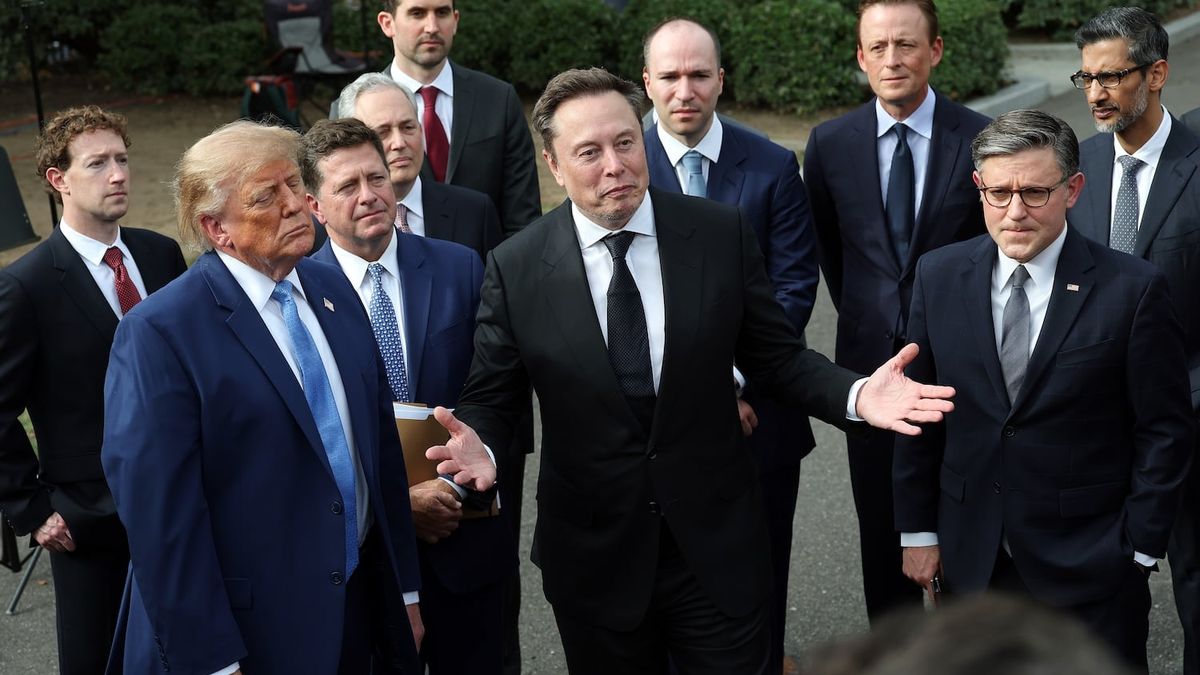
In recent years, a small cohort of ultra-wealthy individuals, primarily leaders of the world's most powerful technology companies, have begun to exert extraordinary and largely unchecked influence over national governments and global affairs. Figures like Elon Musk, Mark Zuckerberg, and Jeff Bezos have leveraged their immense personal fortunes and the critical technologies their companies control to shape public policy, dictate government operations, and even intervene in international conflicts. This influence extends from direct intervention in military operations, as seen with Starlink's role in the Ukraine-Russia war, to shaping immigration policies, attempting to privatize social security, and even altering the editorial direction of major news outlets. The trend points to a significant blurring of lines between private corporate interests and public governance, raising fundamental questions about democratic accountability.
This new era of private influence is not merely about traditional lobbying; it represents a more profound structural shift where governments increasingly depend on private entities for core functions and strategic capabilities. The mechanics of this power are multifaceted, rooted in economic leverage, technological monopolies, and direct political engagement.
The sheer scale of wealth accumulated by these individuals, often exceeding the GDP of small nations, grants them unparalleled economic leverage. Governments, particularly the United States, have become openly reliant on companies like SpaceX for critical space programs and Starlink for global communications. This dependence is not just about convenience; in many cases, there are no comparable alternatives, effectively creating a private monopoly over essential state functions. For instance, the Pentagon, despite its colossal budget, finds itself reliant on Musk's Starlink for military-grade internet services, a capability no other entity, public or private, can match. This creates a scenario where a single individual's decision can directly impact national security and international conflict outcomes, as demonstrated by the reported slowdown of Starlink services in Ukraine.
Beyond providing critical services, these billionaires actively engage in shaping the political landscape. Elon Musk, for example, was reportedly given a leading role in streamlining the Trump administration's bureaucracy, including unprecedented access to citizen data and influence over large-scale government firings and entity closures. This direct access to the highest levels of government allows for policy shaping from within, rather than through traditional external lobbying. Furthermore, Musk's reported status as the largest campaign financier in US politics, channeling hundreds of millions to Republican candidates, underscores the financial muscle used to cultivate political allegiance and ensure a favorable regulatory environment. This financial influence extends to public policy debates, such as Musk's advocacy for specific immigration policies or his proposals for Social Security reform, often disguised as philanthropic gestures but designed to yield significant tax advantages or create new avenues for corporate profit.
The acquisition of influential media outlets by tech billionaires represents another potent vector of power. Jeff Bezos's ownership of The Washington Post exemplifies this. Once a bastion of aggressive government accountability journalism, the Post has, under Bezos, shifted its editorial stance to openly champion
Tech billionaires influence policy through massive campaign donations, direct access to government officials, providing critical services that create state dependence, owning influential media outlets, and actively lobbying against regulations or taxes that could curb their power.
The human cost includes the erosion of democratic accountability, national security vulnerabilities due to reliance on private entities, widening economic inequality, and a distorted public discourse where narratives favoring the powerful are amplified, ultimately diminishing citizen agency.
State capture refers to a situation where private interests, in this case, those of tech billionaires and their corporations, gradually predominate over public interests, blurring the lines between the two and shaping government policy to serve private agendas rather than the broader public good.
Editor's Note: Analysis is based on the provided raw intelligence and adheres to the editorial doctrine and structural requirements.
Source referenced: FOREIGNPOLICY
This brief was synthesized by our Editorial Engine and reviewed by The Ground Narrative team.


