TRENDING

Saturday, 24 October 2026
----------------------
13 Jumada Al-Awwal 1448 AH
Brazil is heading into a high-stakes presidential run-off between incumbent President Luiz Inacio Lula da Silva and right-wing challenger Senator Flavio Bolsonaro. The election will determine the nation's direction amidst deep polarization and external influence.
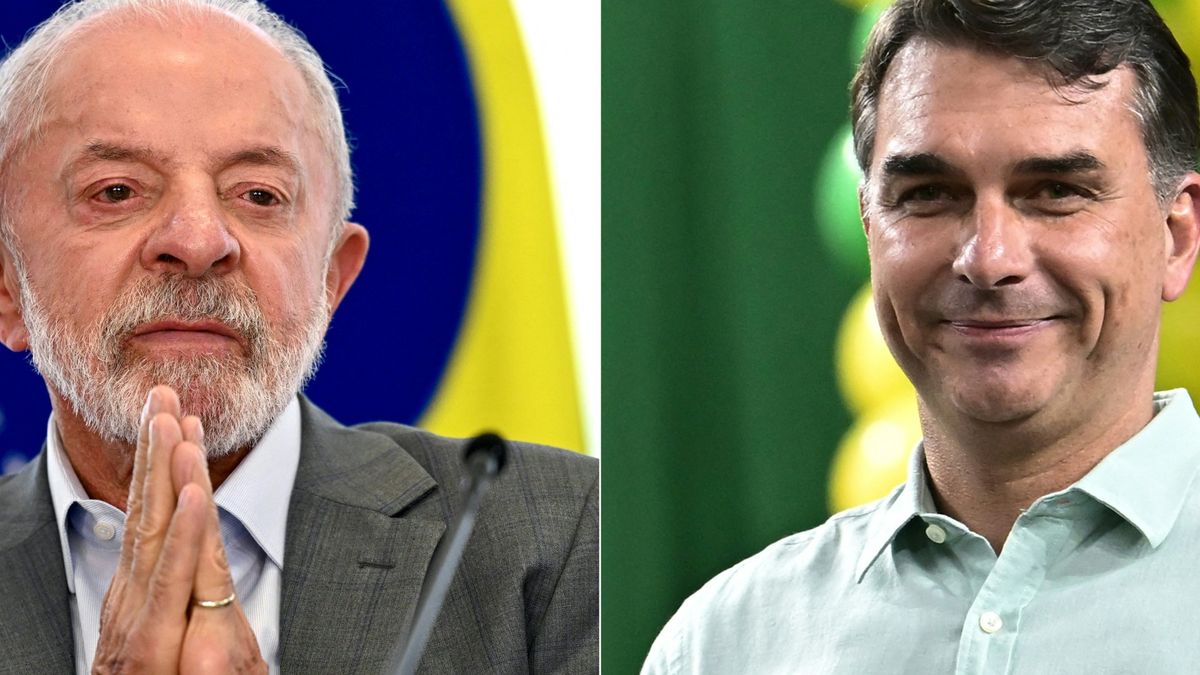
Brazil is once again at a critical juncture, with voters returning to the polls for a tense presidential run-off election. Incumbent President Luiz Inacio Lula da Silva, a leftist veteran, faces off against Senator Flavio Bolsonaro, the son of the imprisoned former far-right President Jair Bolsonaro. In the first round of voting, Bolsonaro defied expectations by securing 47 percent of the vote, narrowly surpassing Lula's 45 percent and forcing a second decisive contest. This outcome signals a persistent and formidable right-wing political force in Brazil, challenging the narrative that Lula's previous victory had decisively shifted the nation away from conservative influence.
The current run-off is a stark illustration of the deep structural forces battling for control of Brazil's political and economic future. On one side, Lula da Silva represents a return to a state-centric model, prioritizing social programs, wealth redistribution, and a foreign policy that seeks to strengthen ties with developing nations, often positioning Brazil as a counterweight to Western dominance. His appeal rests on a legacy of poverty reduction and economic growth during his previous terms, despite a past corruption conviction that was later overturned. His Workers' Party (PT) has also recently secured a constitutional amendment reducing the work week, signaling a commitment to labor-friendly policies.
Conversely, Flavio Bolsonaro embodies a continuation of the right-wing movement championed by his father. His platform emphasizes a militarized approach to crime, market-friendly economic policies, and a closer alignment with the United States, particularly under the Donald Trump administration. Bolsonaro's promise to implement a debt ceiling and rein in government spending appeals to segments of the business community and those concerned about inflation. Crucially, his hints at constitutional reform, particularly concerning the judiciary, suggest a desire to reshape the institutional landscape that has been a source of ire for the right, especially after his father's conviction. This move is not merely about policy; it is about altering the very framework of power, potentially weakening checks and balances that have historically constrained executive authority.
External power dynamics are also significantly at play. The United States, under the Trump administration, has openly intervened in Brazilian politics, employing steep tariffs and penalties against judicial officials in an apparent effort to influence legal proceedings against the elder Bolsonaro. This direct pressure, coupled with rhetoric mirroring the Brazilian right's doubts about electoral integrity, highlights a desire to cultivate right-wing allies in Latin America. For the US, a Bolsonaro victory would solidify a regional bloc aligned with its interests, potentially expanding military involvement in the name of combating crime and securing market access. This external influence adds another layer of complexity, turning a domestic election into a proxy battle for regional ideological dominance.
Finally, the role of information control cannot be overstated. Allegations against social media giant Meta for restricting pro-Lula activity underscore how digital platforms have become critical battlegrounds, capable of shaping public perception and influencing electoral outcomes. The ability to control the narrative, whether through traditional media or algorithms, is a potent, often invisible, power mechanic in modern elections.
The intense political polarization and the high stakes of this election carry significant human costs for ordinary Brazilians. The deep societal division, exacerbated by years of ideological conflict, translates into fractured communities, strained relationships, and a pervasive sense of uncertainty about the nation's future. This isn't just about political preferences; it's about fundamental disagreements over the country's identity and direction, making consensus and national unity increasingly difficult.
Economically, Brazil's population is grappling with rising household indebtedness and persistent inflation. While Lula's administration has seen drops in unemployment and poverty, the underlying economic fragility remains. A shift towards Bolsonaro's proposed debt ceiling and austerity measures, while appealing to some as a path to fiscal responsibility, could disproportionately impact social programs that serve the country's most vulnerable. Conversely, continued high social spending without addressing structural economic issues could exacerbate inflation and debt, further straining family budgets. The choice between these two economic philosophies directly affects the daily lives of millions, determining access to healthcare, education, and basic necessities.
Perhaps the most profound human cost lies in the potential for democratic erosion. Flavio Bolsonaro's rhetoric about
The run-off is between incumbent President Luiz Inacio Lula da Silva of the Workers' Party and Senator Flavio Bolsonaro of the Liberal Party. Lula represents the left, while Bolsonaro leads the right-wing movement.
Lula advocates for social programs, poverty reduction, and ties with developing nations, while Bolsonaro proposes a militarized approach to crime, market-friendly policies, and closer alignment with the United States. Bolsonaro has also hinted at constitutional reforms.
The Trump administration has actively intervened in Brazilian politics, seeking to support right-wing allies and expand US influence in Latin America. A Bolsonaro victory would align Brazil more closely with US strategic and economic interests in the region.
Editor's Note: Analysis is based on the provided raw intelligence, projecting potential outcomes and power dynamics.
Source referenced: ALJAZEERA
This brief was synthesized by our Editorial Engine and reviewed by The Ground Narrative team.