TRENDING

Friday, 23 October 2026
----------------------
12 Jumada Al-Awwal 1448 AH
The APEC Finance Ministers' gathering in Hong Kong sets the stage for fiscal decisions that will affect the region's workers, small businesses, and digital future. This analysis uncovers the power structures behind the talks and the human cost that often stays out of official statements.
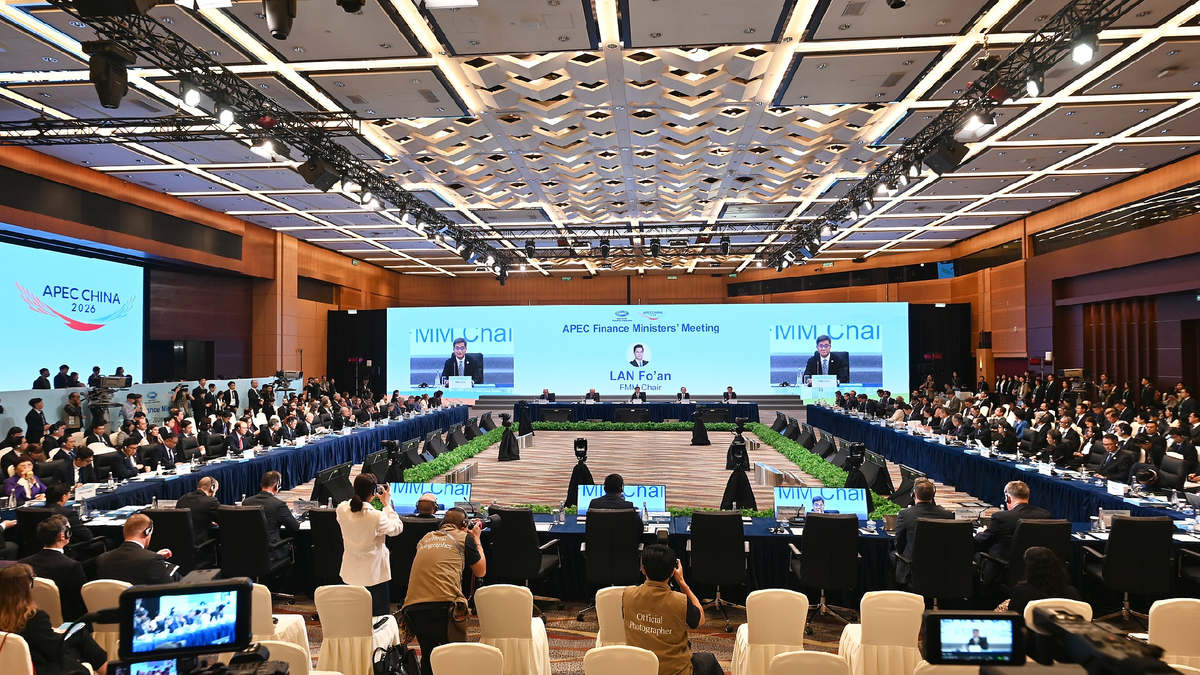
The Asia-Pacific Economic Cooperation (APEC) Finance Ministers' Meeting opened on October 20 in Hong Kong, kicking off a two‑day dialogue ahead of the 33rd APEC Economic Leaders' Summit in Shenzhen. Chaired by Chinese Finance Minister Lan Fo'an, the summit aimed to align fiscal policies, accelerate digital infrastructure financing, and promote inclusive finance across the 21 member economies. Delegates pledged to strengthen supply‑chain resilience and accelerate economic transformation amid what officials described as “global uncertainties” and the spill‑over of geopolitical conflicts.
At first glance the agenda reads like a technocratic checklist, but each item serves a deeper strategic purpose. China leverages the venue to showcase Hong Kong’s reintegration into the mainland’s economic orbit, signaling to both allies and rivals that the city remains a hub for high‑level finance despite recent political tightening. By positioning itself as the convener of fiscal coordination, Beijing hopes to set the narrative on macro‑policy standards that favor its own growth model—state‑led investment in digital platforms and infrastructure that can be channeled through Chinese banks.
For the United States and its allies, the meeting is a diplomatic arena to push back against Beijing’s expanding influence. While official statements stress “inclusive finance,” behind the scenes Washington encourages its regional partners to adopt transparent budgeting practices and to guard against debt‑traps tied to Chinese‑financed projects. Japan, Australia, and South Korea each bring their own export‑driven economies into the mix, seeking fiscal levers that can protect their manufacturing bases from supply‑chain shocks.
The fiscal policy dialogue also masks a competition over who controls the next wave of digital investment. Funding for 5G, AI, and cross‑border payment systems is a zero‑sum game: the winner secures data sovereignty, the loser risks falling behind in the emerging digital economy. Smaller APEC members—such as Vietnam, Malaysia, and Papua New Guinea—find themselves negotiating between Chinese‑offered loans and Western‑backed development banks, each bundle carrying strings that shape future trade alignments.
Finally, the meeting’s timing is crucial. With the global economy still reeling from pandemic‑era debt accumulation and the lingering effects of the Ukraine conflict, fiscal stimulus becomes a bargaining chip. Nations with larger sovereign wealth funds can afford expansive stimulus, while debt‑laden economies must tread carefully, making the consensus on “macroeconomic policy dialogue” a proxy for who can dictate the pace of post‑crisis recovery.
Across the region, manufacturing workers are the first to feel the impact of any shift in fiscal policy. When governments prioritize large‑scale digital projects, funding for traditional industries—textiles in Bangladesh, electronics in Malaysia, and shipbuilding in South Korea—often gets squeezed. Wage stagnation and job insecurity rise as firms scramble to adopt new technologies without sufficient retraining programs.
For small‑scale exporters in Indonesia and Philippines, tighter fiscal rules can mean reduced access to credit. While the meeting touts “inclusive finance,” the reality is that many micro‑enterprises lack the collateral required for the high‑tech loans being promoted. This forces them into informal lending circles, increasing vulnerability to predatory interest rates.
One of the meeting’s headline promises is the fostering of exchanges among young finance professionals. In practice, this translates into scholarships and short‑term internships that often require participants to relocate to financial hubs like Hong Kong or Tokyo. While beneficial for a select few, the broader youth population in rural areas sees little improvement in job prospects, widening the urban‑rural divide.
Fiscal tightening aimed at boosting investment can also mean cuts to social spending. In Australia and Canada, where aging populations already strain pension systems, any reduction in public health or retirement benefits directly affects millions of retirees. The rhetoric of “people’s well‑being” masks the trade‑off between growth‑oriented spending and social safety nets.
Official communiqués celebrate “regional prosperity,” yet they gloss over the mounting sovereign debt that many APEC members carry. Sri Lanka’s recent bond default and Kenya’s debt restructuring with Chinese lenders are rarely mentioned, even though they serve as cautionary tales for countries eyeing similar financing. By downplaying these risks, the narrative sidesteps the reality that a wave of defaults could destabilize the entire Pacific financial architecture.
While Lan Fo'an calls for “fast‑track economic transformation,” the meeting’s language avoids concrete commitments on regulatory reforms that would curb state‑owned enterprise dominance. This omission benefits Beijing’s domestic agenda, allowing it to maintain control over strategic sectors while presenting an image of openness to multilateral cooperation.
Large multinational banks and tech giants have a vested interest in shaping the agenda, yet their influence rarely appears in official statements. Behind closed doors, firms lobby for standards that favor their proprietary platforms, ensuring that the digital infrastructure financed at the summit will be built on their technology stacks. This creates a de‑facto monopoly that can dictate pricing and data governance for years to come.
The push for rapid infrastructure development often sidelines environmental assessments. Projects such as new data centers and high‑speed rail links can lead to habitat loss and increased carbon emissions. By framing the agenda solely around “economic resilience,” the meeting sidesteps the long‑term ecological price that local communities will bear.
The next milestone is the APEC Economic Leaders' Summit in Shenzhen this November, where any consensus reached by finance ministers will be tested against political realities. Watch for the language of any joint communiqué—particularly whether it includes binding debt‑sustainability clauses or concrete targets for social spending. Additionally, monitor the rollout of digital‑infrastructure financing agreements; the beneficiaries and the terms will reveal which power bloc is gaining the upper hand.
Another indicator will be the response of regional development banks, such as the Asian Development Bank and the New Development Bank, to the financing proposals emerging from Hong Kong. Their willingness to co‑fund or to impose stricter environmental and governance standards will signal whether the agenda can be balanced against broader public interests.
Finally, keep an eye on grassroots reactions in the host city. Protests or labor strikes in Hong Kong over perceived erosion of autonomy often flare up during high‑profile international events. Such unrest can pressure officials to temper rhetoric and may force a more transparent accounting of how the meeting’s outcomes will affect ordinary citizens.
In sum, the APEC Finance Ministers' gathering is less about abstract fiscal policy and more about a contest for economic direction, debt control, and digital dominance. The real story unfolds in the lives of factory workers, small entrepreneurs, and retirees whose futures hinge on decisions made behind closed doors.
The meeting aims to coordinate fiscal policies, accelerate financing for digital infrastructure, promote inclusive finance, and strengthen supply‑chain resilience across the 21 APEC economies.
Decisions that prioritize large‑scale digital projects may divert credit away from traditional manufacturing and small businesses, leading to wage stagnation, job insecurity, and reduced access to affordable financing for many workers.
Many member economies carry high sovereign debt levels, and new financing deals risk creating debt traps if not paired with transparent terms and sustainability safeguards.
Source referenced: CGTN
This brief was synthesized by our Editorial Engine and reviewed by The Ground Narrative team.