TRENDING

Friday, 23 October 2026
----------------------
12 Jumada Al-Awwal 1448 AH
The upcoming 2026 US midterm elections highlight a nation grappling with political instability, as President Trump faces low approval amid an unpopular war and high inflation. Despite expected gains, the Democratic Party is deeply fractured, struggling for a coherent vision and leadership.
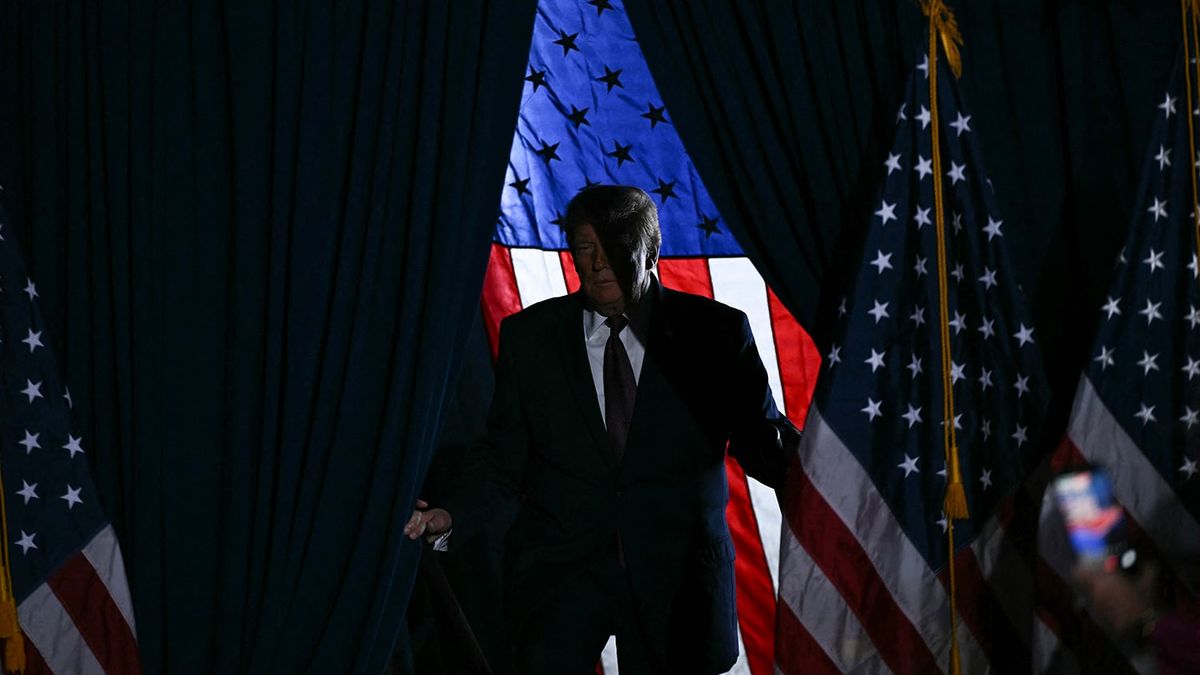
As the United States approaches its 2026 midterm elections, the political landscape is defined by deep uncertainty and internal fragmentation, particularly within the Democratic Party. President Donald Trump faces record-low approval ratings, a backdrop of persistent high inflation, and an ongoing, unpopular war in Iran. While pundits anticipate significant Democratic victories in the House and potentially the Senate, the party itself appears to be at a critical ideological crossroads. Rather than presenting a unified front, Democrats are grappling with profound internal divisions, a perceived lack of compelling leadership, and an inability to articulate a clear governing philosophy beyond opposition to the incumbent President.
This internal struggle is playing out in key races, with progressive factions, such as those aligned with the Democratic Socialists of America (DSA), challenging more moderate establishment candidates. The outcome of these internal battles, coupled with the ever-present threat of President Trump disputing election results, suggests that even a Democratic electoral success may not translate into political stability or a clear mandate for governance, potentially ushering the nation into a deeper political morass. The focus has shifted from merely winning elections to defining what a victorious party actually stands for, a question that remains largely unanswered for a significant portion of the electorate.
The current political dynamic in the United States reveals a complex interplay of power, where traditional metrics of approval and electoral success are increasingly decoupled from effective governance and national unity. President Trump's power, despite low approval ratings, lies in his ability to command media attention, mobilize a dedicated base, and consistently challenge institutional norms. His strategy of framing political opponents as
Source referenced: FOREIGNPOLICY
This brief was synthesized by our Editorial Engine and reviewed by The Ground Narrative team.