TRENDING

Saturday, 24 October 2026
----------------------
13 Jumada Al-Awwal 1448 AH
A growing number of American public figures are aligning with Kremlin narratives, shifting the landscape of Russian influence. This phenomenon exploits deep-seated domestic divisions, posing significant questions about power, public trust, and global stability.
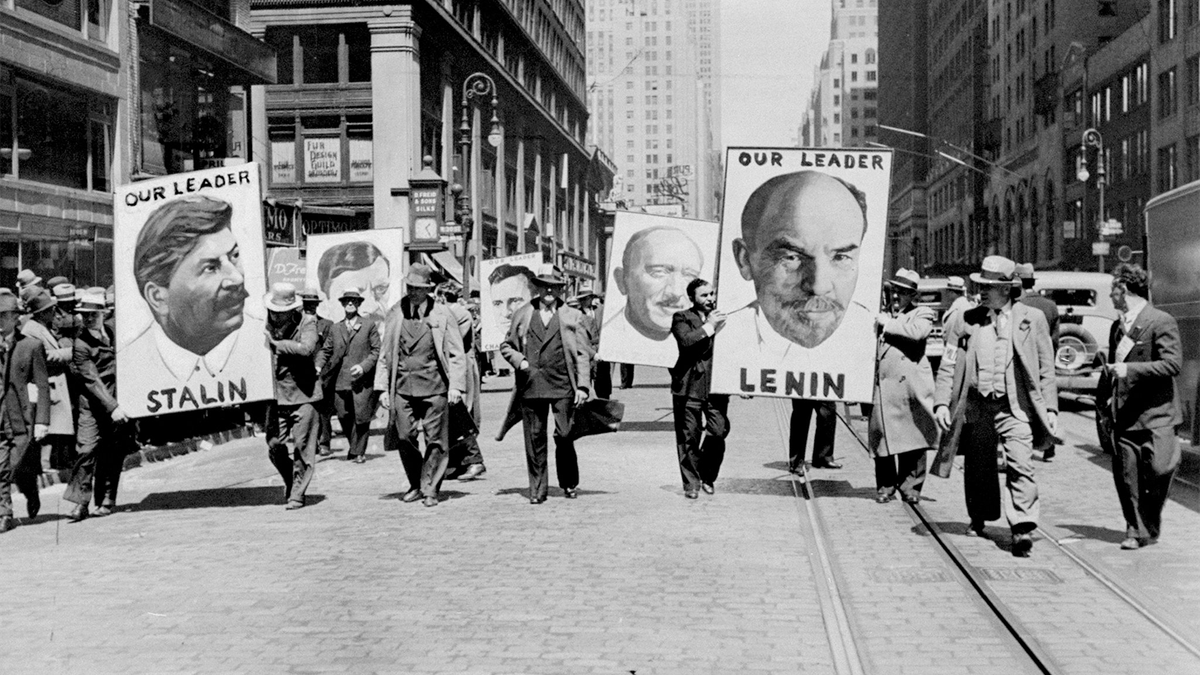
Recent investigations have revealed a notable presence of American public figures on the leadership roster of the International Club of National Unity, an organization reportedly established under Russian presidential decrees. Despite its stated aim of supporting "humanitarian missions," many associated with the club openly advocate for aggressive military actions against Western nations and Ukraine. This discovery highlights a significant shift: while historical Russian sympathizers, often termed "fellow travelers," were predominantly European, there is now a pronounced and growing contingent of Americans across the political spectrum echoing Kremlin talking points. Prominent figures, including academics like Jeffrey Sachs and media personalities such as Candace Owens and Tucker Carlson, have been observed promoting narratives that align with Moscow's strategic interests, from delegitimizing the Ukrainian state to praising Russia's societal order.
The cultivation of Western sympathizers is not a new tactic for Moscow; it mirrors historical Soviet-era strategies aimed at undermining ideological rivals. Today, the Kremlin's core incentive is to legitimize its foreign policy, particularly its actions in Ukraine, while simultaneously sowing discord within Western alliances and eroding public support for counter-measures like sanctions. By amplifying voices that question the narratives of Western governments and mainstream media, Russia achieves significant influence at a relatively low cost, leveraging existing internal divisions rather than creating them from scratch. This is a classic example of asymmetric warfare in the information domain.
For the American figures involved, the motivations are multifaceted. Some are driven by genuine ideological alignment, perceiving Russia as a bulwark against what they view as a decaying Western liberalism or a champion of "traditional values." For others, the alignment is more transactional or rooted in profound anti-establishment sentiment. Moscow offers a powerful platform and an external validation for those deeply disillusioned with their own domestic political systems, media institutions, or cultural trends. By criticizing Washington through the lens of Moscow's grievances, these individuals can amplify their domestic political agendas, gain media attention, and rally support among segments of the American public who share similar discontents.
The shift from European to American prominence among these "fellow travelers" is also instructive. Many European right-wing parties, initially sympathetic to Moscow due to shared anti-EU sentiments or energy interests, have tempered their pro-Kremlin stances since the full-scale 2022 invasion of Ukraine, largely due to geographical proximity and the direct economic consequences of the conflict. In contrast, American political polarization, exacerbated by cultural wars and a deep distrust in institutions, provides fertile ground for Russian narratives to take root. The Kremlin expertly tailors its messaging, appealing to the American cultural right with themes of traditionalism, while simultaneously attracting those who advocate for a more isolationist foreign policy or blame Western expansion for Russia's aggression. This strategic exploitation of internal fissures weakens the collective resolve of Western democracies and complicates their ability to present a united front against Russian assertiveness.
The consequences of this phenomenon extend far beyond abstract geopolitical maneuvering, imposing tangible human costs on various populations and institutions.
The most immediate and severe human cost is borne by the people of Ukraine. When prominent Western voices legitimize Russian aggression, question Ukraine's sovereignty, or promote narratives of Western culpability, it directly undermines international support for Kyiv. This erosion of support translates into fewer weapons, less humanitarian aid, and diminished diplomatic pressure on Moscow, prolonging a conflict that has already claimed hundreds of thousands of lives, displaced millions, and devastated an entire nation. The normalization of Russia's actions, even indirectly, makes it harder for the international community to hold perpetrators accountable for war crimes and atrocities, effectively extending the suffering of civilians caught in the conflict.
Within the United States and other Western democracies, the proliferation of Kremlin-aligned narratives contaminates public discourse and erodes trust in foundational institutions. When academics, journalists, and political figures lend their credibility to foreign state propaganda, it blurs the lines between factual reporting, expert analysis, and disinformation. This makes it increasingly difficult for ordinary citizens to discern truth from falsehood, fostering a climate of cynicism and distrust in media, government, and even the electoral process. Such an environment weakens the very fabric of democratic societies, making collective action on critical domestic and international issues more challenging and leaving populations vulnerable to manipulation.
The amplification of Russian narratives also has a profound impact on global security. By undermining Western unity and the credibility of alliances like NATO, it emboldens revisionist powers and creates a more unpredictable international landscape. When internal divisions within major powers are exploited, it signals weakness, potentially inviting further aggression from actors seeking to challenge the existing global order. This instability can lead to increased military spending, heightened tensions, and a greater risk of conflict, ultimately impacting the security and prosperity of people worldwide, even those far removed from the immediate geopolitical flashpoints.
While the public discourse often focuses on the immediate impact of Russian influence, powerful actors—including the Kremlin and some of its Western sympathizers—often downplay or omit several critical dimensions of this phenomenon.
The most significant untold story is that Moscow's cultivation of Western sympathizers is not merely about Ukraine. It is part of a much broader, long-term strategy to fundamentally reshape the global order. Russia seeks to diminish US hegemony, dismantle Western alliances, and establish a multi-polar world where its own sphere of influence is unchallenged. The "humanitarian missions" facade of organizations like the International Club of National Unity, while simultaneously hosting advocates for nuclear strikes, starkly illustrates this deeper, more aggressive agenda. By focusing solely on the Ukrainian conflict, the full scope of Moscow's ambition to destabilize and reorder the international system is often obscured.
While some "fellow travelers" may be genuinely ideologically motivated, the transactional nature of these relationships is frequently downplayed. Historically, and in contemporary examples like former German Chancellor Gerhard Schröder working for Russian energy companies, there are often unspoken or explicit benefits—whether financial remuneration, privileged access, media amplification, or opportunities for personal branding. The narrative presented by the individuals themselves often emphasizes principled opposition or intellectual inquiry, conveniently omitting any potential personal or professional gains derived from their alignment with Moscow. This omission prevents a full understanding of the incentives driving such public endorsements.
Russia is not creating Western divisions from scratch; it is expertly exploiting existing, deep-seated vulnerabilities. The untold story here is the extent to which internal American anxieties—economic inequality, cultural grievances, political polarization, and a profound distrust in institutions—are being weaponized. The Kremlin acts as an accelerant, pouring fuel on existing fires rather than igniting new ones. By focusing on Russian malign influence, Western societies sometimes avoid a deeper introspection into the structural weaknesses and societal fractures that make them so susceptible to such external manipulation in the first place. Addressing these internal vulnerabilities is a prerequisite for effectively countering foreign influence.
The comparison to Stalin's era "fellow travelers" is often invoked but its full weight is rarely explored. These historical figures frequently overlooked or actively justified mass atrocities, including genocidal famines and political purges, in their admiration for the Soviet project. Today, by legitimizing Russia's actions in Ukraine—a conflict marked by documented war crimes and human rights abuses—contemporary "fellow travelers" are engaging in a similar moral compromise. The narrative often downplays the direct human suffering caused by the actions they implicitly or explicitly defend, creating a dangerous disconnect between their public statements and the grim realities on the ground. The praise for Moscow's supposed cleanliness and safety by figures like Tucker Carlson and Candace Owens starkly contrasts with the repressive political climate and lack of fundamental freedoms within Russia, a reality conveniently ignored.
As this phenomenon continues to evolve, several key areas warrant close observation to understand its trajectory and impact.
First, monitor the upcoming elections in the United States and Europe. The extent to which Kremlin-aligned narratives influence voter behavior, the success of candidates sympathetic to Moscow's views, and the overall integrity of democratic processes will be a critical indicator. Any significant shifts could signal a deeper entrenchment of these influence operations.
Second, observe how social media platforms and Western governments respond to the continued amplification of these narratives. Will platforms implement more robust content moderation policies, or will they continue to struggle with the balance between free speech and combating disinformation? Will governments develop more effective counter-narrative strategies that resonate with the public, or will they remain reactive?
Third, pay attention to Russia's evolving influence tactics. Will Moscow continue to prioritize the cultivation of American voices, or will it shift its focus to other regions or employ new technological tools, such as advanced AI-generated content and deepfakes, to further its agenda? The adaptability of Russian information warfare is a constant factor.
Finally, the longevity and intensity of the conflict in Ukraine will remain a crucial variable. A prolonged war, coupled with potential Western fatigue, could create more fertile ground for narratives that advocate for a swift, even if unfavorable, resolution, thereby increasing the leverage of Kremlin sympathizers. The interplay between battlefield realities and the information war will continue to shape public opinion and policy decisions globally.
They are American public figures, often with large social media followings, who echo Kremlin narratives and legitimize Russian actions, sometimes aligning with specific domestic grievances.
Russia aims to undermine Western unity, legitimize its foreign policy, sow discord within the US, and weaken international support for its adversaries, particularly Ukraine.
The costs include eroded trust in democratic institutions, contaminated public discourse, weakened international alliances, and direct impacts on populations like Ukrainians whose conflict is delegitimized.
Editor's Note: Analysis based on the provided raw intelligence, focusing on the mechanics of influence and human impact as per TGN doctrine, without moralizing.
Source referenced: FOREIGNPOLICY
This brief was synthesized by our Editorial Engine and reviewed by The Ground Narrative team.


