TRENDING

Saturday, 24 October 2026
----------------------
13 Jumada Al-Awwal 1448 AH
Typhoon Champi battered Taiwan, leaving one dead and hundreds injured, while flooding coastal towns. The storm also exposed how climate extremes intersect with regional power contests.
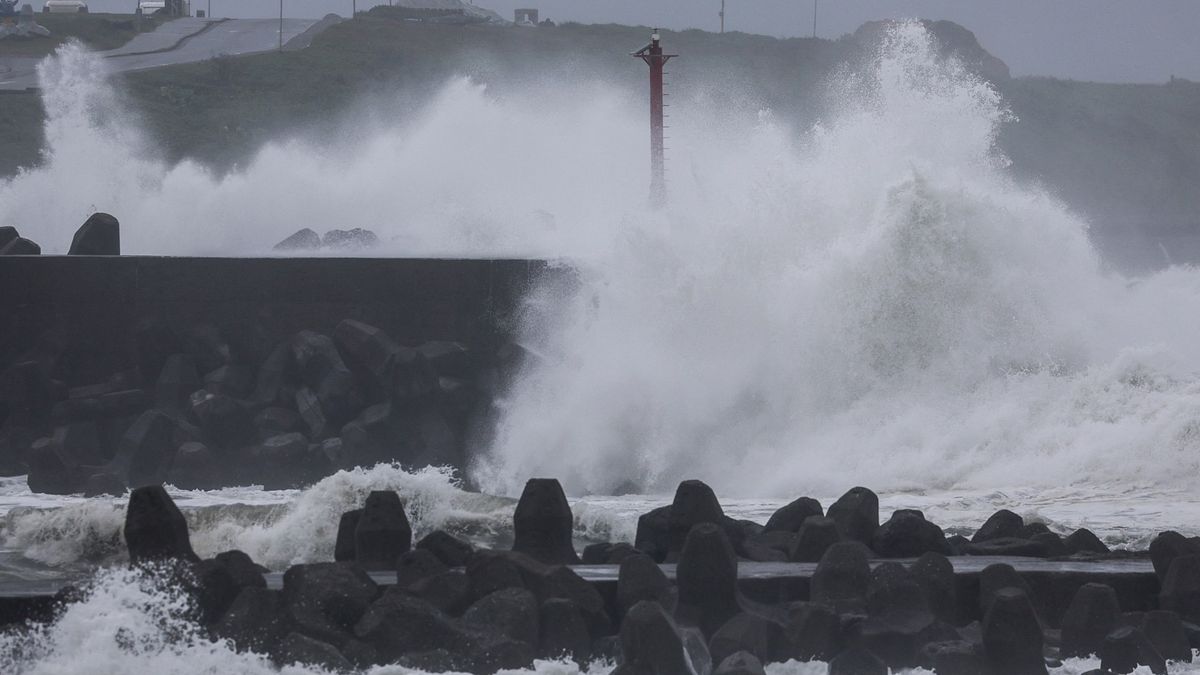
Typhoon Champi slammed into Taiwan's northeast on 23 October 2026, killing one person and injuring at least 350. The storm, briefly a super‑typhoon with winds near 300 km/h, toppled trees, shut schools and shops, cut power to thousands, and forced more than 4,300 residents to evacuate. Heavy rains dumped up to 900 mm in three days, with Yilan County alone receiving over 400 mm.
The raw force of the storm is only part of the story; the underlying power structures shape both the response and the longer‑term fallout. First, El Niño—now described by the World Meteorological Organization as “off the charts”—has super‑charged the Pacific cyclone season, turning a seasonal hazard into a geopolitical pressure point. Nations with advanced forecasting and disaster‑relief budgets, notably the United States, can project soft power by offering aid, training, and reconstruction contracts, reinforcing their strategic foothold in the Taiwan Strait. Meanwhile, China monitors the event closely, using satellite and radar assets to gauge Taiwan’s emergency readiness, a metric that feeds into its broader military calculus. Domestically, Taiwan’s own disaster‑management apparatus, funded through a mix of central budget allocations and insurance premiums, faces a trade‑off: allocating resources for immediate relief versus long‑term infrastructure upgrades that could mitigate future storms. The insurance industry, both local and global, also stands to profit from claim payouts, while the construction sector anticipates a surge in contracts for rebuilding homes, power lines, and coastal defenses. Each of these actors balances political survival, economic incentives, and the looming reality of a climate‑altered future.
The statistics mask a deeper human narrative. In Yilan County, families watched rooftops collapse as winds ripped through wooden frames, forcing children to sleep in school gyms for days. Coastal fishermen in the town of Toucheng lost boats and gear, jeopardizing a seasonal income that supports schools and clinics. Power outages left more than 8,400 households in Japan’s Okinawa islands in the dark, highlighting how a single storm can ripple across borders. Agricultural fields across Taiwan’s northeast suffered salt‑water intrusion, threatening rice yields that feed millions. The elderly, already vulnerable to heat stress, faced heightened health risks from prolonged indoor confinement and limited medical access. Meanwhile, small‑scale retailers, whose livelihoods depend on foot traffic, saw weeks of lost revenue as schools and markets remained closed. The cumulative effect is a widening gap between those who can rebuild quickly—often with insurance or external aid—and those who must scrape together informal loans, deepening socioeconomic inequality.
Official briefings emphasized safety instructions and the storm’s weakening trend, but several layers remain under‑reported. The Taiwan government has downplayed the extent of its aging coastal defenses, a legacy of decades of limited investment that leaves critical infrastructure exposed to higher‑category storms. Simultaneously, Chinese military satellites captured high‑resolution imagery of evacuation routes and power‑grid damage, data that could inform future amphibious planning—yet this surveillance is rarely mentioned in public discourse. US agencies have highlighted humanitarian assistance, yet they also earmarked funds for “capacity‑building” projects that align with broader strategic objectives, a nuance often omitted from press releases. Corporate actors, especially construction firms and insurance companies, stand to gain from reconstruction contracts and claim settlements, but their profit motives receive little scrutiny. Finally, the broader climate narrative—how an unprecedented El Niño is reshaping storm frequency and intensity—is framed as a natural anomaly rather than a systemic risk tied to global emissions, allowing policymakers to sidestep accountability for long‑term mitigation.
The next few months will test whether Taiwan translates emergency relief into lasting resilience. Watch for legislative proposals aimed at upgrading sea walls and retrofitting power grids, especially if they attract 2027 budget allocations tied to climate‑adaptation funds. Regional airlines are already adjusting schedules; any prolonged disruption could pressure the regional airlines coalition to lobby for more robust weather‑prediction infrastructure. Keep an eye on how the United States and China position themselves in post‑storm aid talks—whether aid becomes a diplomatic lever or a genuine humanitarian gesture will signal the balance of influence in the Taiwan Strait. Finally, monitor the progression of the current El Niño event; a stronger-than‑expected peak could spawn additional super‑typhoons, forcing governments to confront the economic calculus of repeated reconstruction versus proactive climate mitigation.
Taiwan experiences an average of three to four tropical cyclones each year, with a super typhoon making landfall roughly once every five to seven years, though warming oceans are increasing both frequency and intensity.
El Niño warms the central Pacific, amplifying moisture and wind patterns that intensify storms; the current event is projected to be among the strongest on record, fueling powerful cyclones like Champi.
Source referenced: ALJAZEERA
This brief was synthesized by our Editorial Engine and reviewed by The Ground Narrative team.


