TRENDING

Saturday, 24 October 2026
----------------------
13 Jumada Al-Awwal 1448 AH
A recent exchange of attacks between Iran and Israel has raised concerns about the stability of the fragile ceasefire in the Middle East. The incident highlights the complex web of alliances and rivalries in the region, with the United States playing a crucial role in mediating the conflict.
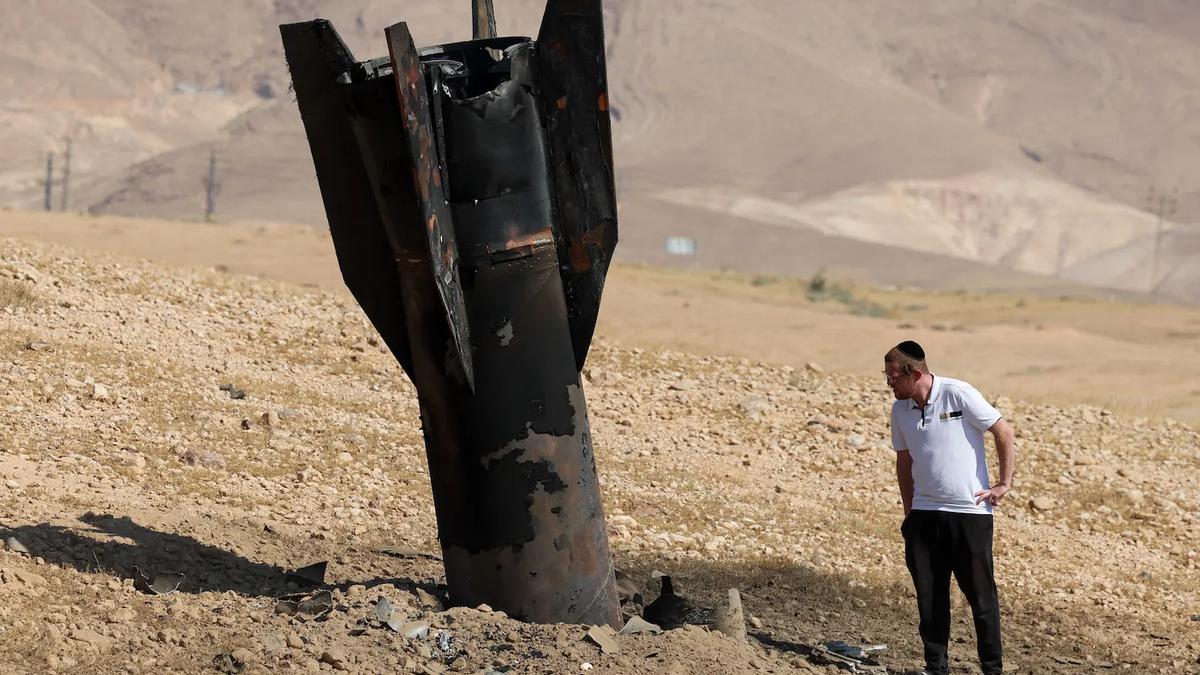
The recent exchange of attacks between Iran and Israel has raised concerns about the stability of the fragile ceasefire in the Middle East. The incident highlights the complex web of alliances and rivalries in the region, with the United States playing a crucial role in mediating the conflict.
The Iran-Israel conflict has been ongoing for decades, with both sides engaging in a series of proxy wars and skirmishes. The current ceasefire, brokered by the United States, was established in April 2026. However, the recent exchange of attacks has put the ceasefire at risk, with both sides accusing each other of violating the agreement.
On June 7, 2026, Hezbollah, a Lebanese Shia militant group backed by Iran, fired rockets at Israeli targets in retaliation for continued Israeli strikes on southern Lebanese villages. Israel responded by targeting "terrorist infrastructure" in Beirut's southern suburbs, killing two people and wounding at least 20 others. Iran launched 11 ballistic missiles at Israel, targeting two military bases in the country. Yemen's Houthi rebels, another Iranian proxy group, also claimed an attack on Israel while warning that all Israel-linked vessels in the Red Sea would once again become targets.
The recent exchange of attacks highlights the complex web of alliances and rivalries in the Middle East. Iran and its proxies, including Hezbollah and the Houthi rebels, are seeking to challenge Israeli dominance in the region. Israel, on the other hand, is determined to protect its interests and prevent Iran from establishing a foothold in the region.
The United States is playing a crucial role in mediating the conflict, with President Donald Trump reportedly urging Israeli Prime Minister Benjamin Netanyahu to back off from further strikes. However, the incident also highlights the challenges of mediating a conflict with multiple parties involved.
The recent exchange of attacks has significant regional implications. The conflict has the potential to draw in other countries, including the United States, Russia, and China. The incident also highlights the importance of the Iran-Israel conflict in the broader context of the Middle East.
The future consequences of the recent exchange of attacks are uncertain. However, it is clear that the conflict has the potential to escalate further, with both sides accusing each other of violating the ceasefire. The United States will need to continue to play a crucial role in mediating the conflict, while also addressing the underlying issues that are driving the conflict.
The recent exchange of attacks between Iran and Israel highlights the complex web of alliances and rivalries in the Middle East. The conflict has significant regional implications and the potential to escalate further. The United States will need to continue to play a crucial role in mediating the conflict, while also addressing the underlying issues that are driving the conflict.
Source referenced: FOREIGNPOLICY
This brief was synthesized by our Editorial Engine and reviewed by The Ground Narrative team.