TRENDING

Monday, 26 October 2026
----------------------
15 Jumada Al-Awwal 1448 AH
Iran's southern coast is dotted with over 30 islands, transformed into military and economic outposts critical to exerting control over the region. The US has taken notice, with recent strikes on Qeshm, Kharg, and Greater Tunb islands. But what are the strategic implications of this island-hopping campaign?
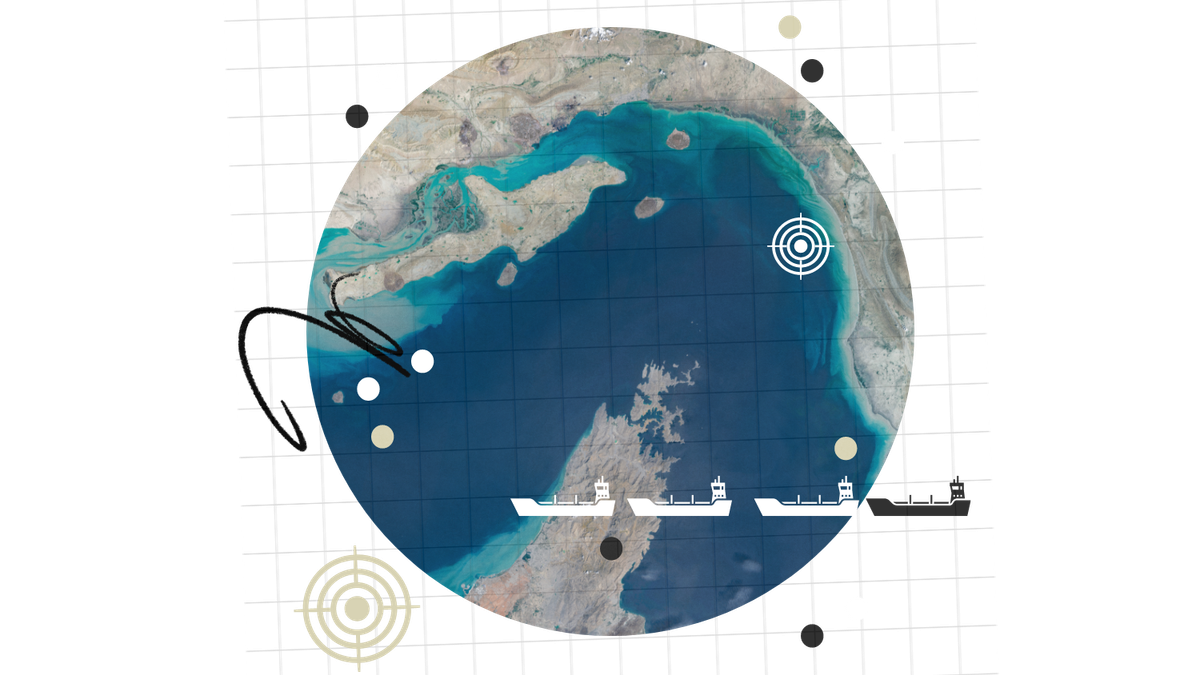
Iran's southern coast is dotted with over 30 islands, transformed into military and economic outposts critical to exerting control over the region. The US has taken notice, with recent strikes on Qeshm, Kharg, and Greater Tunb islands. But what are the strategic implications of this island-hopping campaign?
Iran's largest and most populous island, Qeshm, sits near the Strait of Hormuz and Bandar Abbas, one of Iran's main ports. Its strategic location makes it the perfect spot for Tehran to advance its regional agenda, while its expansive underground tunnel network and ability to deploy submarines directly into the Gulf have transformed it into a key base of operations for Iran's Islamic Revolutionary Guard Corps (IRGC). Qeshm also serves as a staging ground for Iranian forces targeting global shipping.
Larak Island, the closest island to the Strait of Hormuz, has exploded in recent months due to its unique location. As part of Iranian efforts to exert control over the strait, Tehran has required ships to use a narrow route along Larak's northern coast, giving the island gatekeeping control over the entire corridor.
Hormuz Island, located at the mouth of the strategic waterway, has been turned into an observation outpost, giving the regime critical intelligence about what is usually one of the world's busiest thoroughfares.
The Greater and Lesser Tunb islands, seized by Iranian forces in 1971, may be small in size but their symbolic importance cannot be overstated. In 1971, Iranian forces seized the Greater and Lesser Tunbs from what would become the United Arab Emirates. Today, Abu Dhabi claims sovereignty over both islands, citing historical ties. However, Tehran also cites historical connections to the islands and has been loath to give up control.
Abu Musa Island, another disputed territory claimed by both Iran and the UAE, has a small civilian population and is therefore not as heavily militarized as the Tunbs. However, Tehran has expanded its presence on the island and now has de facto control.
Kharg Island, much of Trump's ire, is an oil powerhouse and a critical component of Iran's energy infrastructure. The US has struck the island, disrupting Iran's oil exports and further straining the country's economy.
The US has taken a significant risk by targeting Iran's island arsenal. While control of an island might improve the security of maritime traffic through the Strait of Hormuz and deny Iran the use of a valuable military position, it would also risk transforming a limited military operation into a prolonged territorial occupation.
Iran's ability to defend its islands is a significant concern for the US. Qeshm, in particular, would be one of the hardest islands for the US to seize, as its vast size would stretch US forces thin. The island's close proximity to Iran's mainland would also keep US troops in range of Iranian weaponry, including missiles, drones, mines, and artillery.
Iran's island arsenal is a critical component of its regional strategy, and the US has taken a significant risk by targeting these outposts. The strategic implications of this island-hopping campaign are far-reaching, with potential consequences for regional stability and global energy markets. As the conflict escalates, it is essential to consider the long-term implications of this strategic gamble.
Editor's Note: The analysis is based on publicly available information and may not reflect the full scope of the situation.
Source referenced: FOREIGNPOLICY
This brief was synthesized by our Editorial Engine and reviewed by The Ground Narrative team.