TRENDING

Monday, 5 October 2026
----------------------
24 Rabi' Al-Thani 1448 AH
Indonesia, the world's third-largest coal producer, is grappling with widespread blackouts caused by domestic coal shortages, posing a significant challenge to President Prabowo Subianto's administration. This crisis highlights critical issues in energy policy, resource management, and economic stability, with potential for social unrest and implications for regional investment.
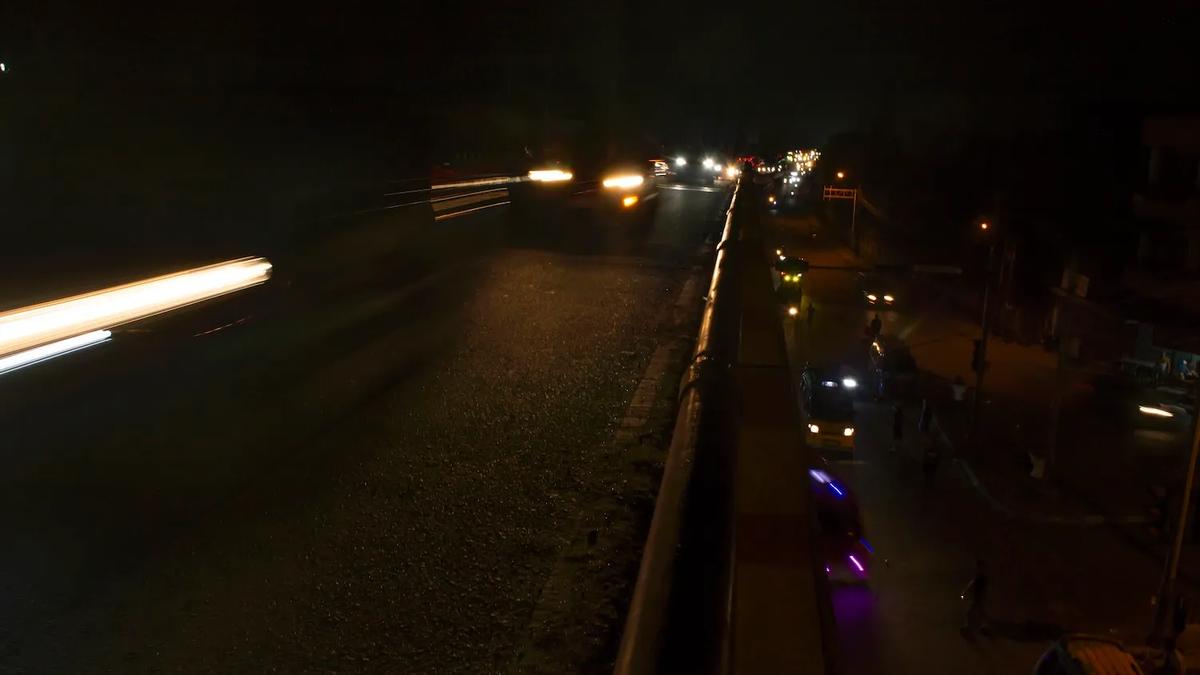
Indonesia, a nation rich in natural resources and the world's third-largest coal producer, has recently been plagued by widespread rolling blackouts across its archipelago. This unexpected energy crisis, primarily attributed to a domestic coal shortage, presents a significant geopolitical and economic challenge for the newly inaugurated administration of President Prabowo Subianto, undermining his pledges of accelerated growth and national self-sufficiency. The situation, unfolding through June 2026, has exposed critical vulnerabilities in Indonesia's energy policy and resource management, with potential ramifications for its internal stability and regional standing.
The blackouts have affected key regions including Java, Sumatra, Bali, and Indonesian Borneo, with Java—the country's economic powerhouse and home to over half its population—reportedly experiencing the most severe disruptions. Cities on Jakarta's periphery, such as Bekasi, Bogor, and Depok, endured power outages for several days. While the government initially denied the severity of the issue, it later conceded that the problem stemmed from a shortage of coal, despite Indonesia's vast reserves and a historical overcapacity in electricity generation in areas like Java during the 2010s. This current wave of outages follows a major three-day blackout in May that affected much of Sumatra, though that incident was attributed to weather-related transmission line disruptions rather than coal scarcity.
The economic fallout has been immediate and substantial. Initial estimates of losses range from $173 million to $562 million, a significant blow to an economy striving for robust growth. Beyond direct financial costs, business leaders have voiced concerns that the recurring blackouts will further deter foreign investment, exacerbating an already growing perception of governmental and economic dysfunction. This directly contradicts President Prabowo's core agenda of fostering a more dynamic and self-reliant economy.
The root cause of this paradox—a coal-rich nation unable to power itself—lies in a series of policy decisions and market dynamics. Earlier in the year, the Indonesian government implemented a policy to cut coal production quotas for companies. The stated objective was to artificially inflate global coal prices, thereby increasing national export earnings. While this strategy did contribute to a rise in international prices, it inadvertently disrupted domestic production and supply chains.
Indonesia operates under a "Domestic Market Obligation" (DMO), which mandates coal miners to sell a portion of their output domestically at a discounted price. However, the significant disparity between these low domestic prices and the newly elevated international market prices created a powerful incentive for miners. Faced with the opportunity for higher profits abroad, many miners reportedly prioritized exports, either failing to meet their DMO commitments or supplying the domestic market with lower-quality, less energy-dense coal. This strategic miscalculation by the government, aimed at short-term revenue gains, ultimately compromised the nation's energy security and exposed the fragility of its domestic supply mechanisms.
For President Prabowo Subianto, these blackouts represent a formidable political challenge. Having campaigned on a platform of rapid economic growth and national self-sufficiency, the widespread power failures directly undermine his administration's credibility and capacity to deliver on these promises. The crisis adds to a broader narrative of economic turmoil, which has seen his nationalist economic prescriptions come under scrutiny.
The timing of these blackouts is particularly precarious. Indonesia is heading into summer with a backdrop of rising food and fuel prices, a combination that historically has fueled social unrest. August of the previous year witnessed the worst riots since 1998, triggered by similar economic pressures. The current situation, marked by student protests against economic mismanagement, suggests a potentially volatile environment. The government's ability to swiftly resolve the energy crisis and mitigate its economic impact will be crucial in preventing wider social discontent and maintaining political stability.
Beyond domestic concerns, Indonesia's energy crisis carries broader geopolitical implications. As the largest economy in Southeast Asia and a pivotal member of ASEAN, Indonesia's internal stability and economic performance are closely watched by regional and global actors. A perceived weakening of governance or economic dysfunction could impact its attractiveness as an investment destination, potentially shifting capital flows to more stable regional competitors.
Furthermore, Indonesia's strategic position in the Indo-Pacific, navigating the complex dynamics between major powers like China and the United States, means that internal challenges can have external ripple effects. A government preoccupied with domestic crises may have less capacity to project influence regionally or engage effectively in international diplomacy. The incident underscores the delicate balance resource-rich nations must strike between leveraging their natural assets for national revenue and ensuring fundamental domestic needs, such as energy security, are met.
The rolling blackouts in Indonesia are more than just a technical glitch; they are a multifaceted crisis rooted in policy miscalculation, market incentives, and governance challenges. They serve as a stark reminder of the complexities involved in managing a resource-rich economy while pursuing nationalist economic objectives. For President Prabowo Subianto, effectively addressing this energy crisis is paramount not only for his administration's political survival but also for safeguarding Indonesia's economic trajectory and its standing as a stable and influential player in Southeast Asia. The path forward demands a re-evaluation of energy policy, robust resource management, and transparent governance to prevent future disruptions and ensure the nation's long-term prosperity and stability.
Source referenced: FOREIGNPOLICY
This brief was synthesized by our Editorial Engine and reviewed by The Ground Narrative team.


