TRENDING

Monday, 5 October 2026
----------------------
24 Rabi' Al-Thani 1448 AH
Over 20,000 Canadians have been forced to evacuate their homes due to the rapidly spreading Bald Range wildfire, highlighting the country's extreme vulnerability to intense wildfires. As the situation worsens, the human cost and power mechanics behind the crisis come into focus.
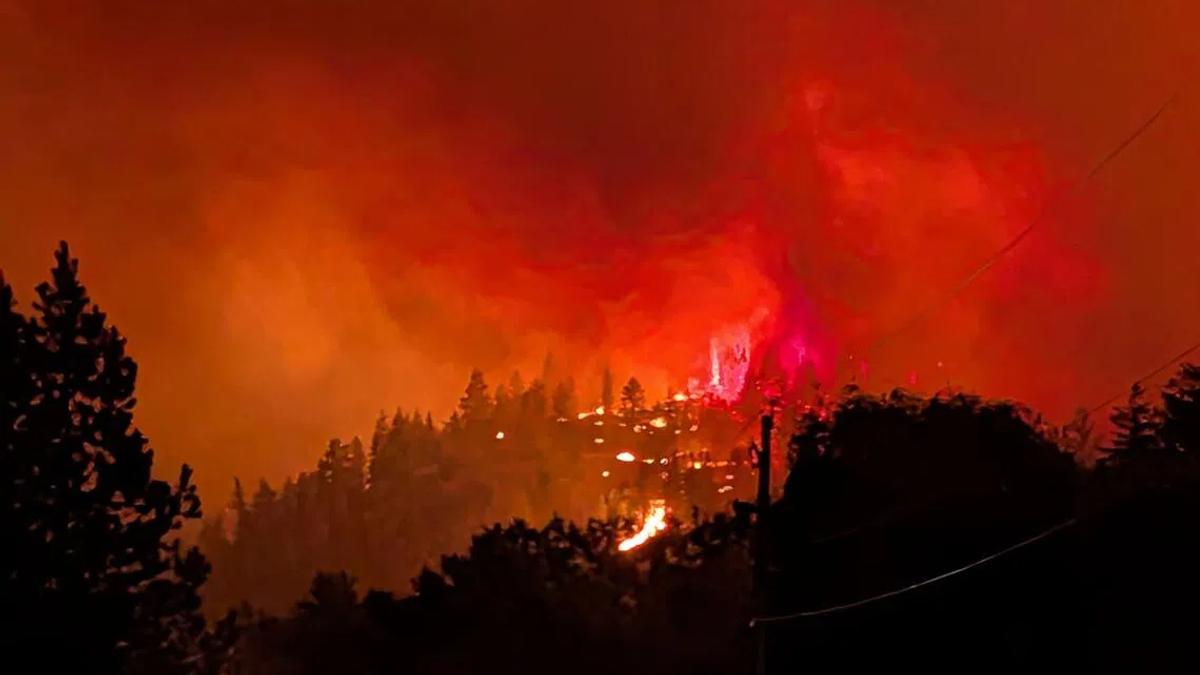
A fast-spreading Canadian wildfire in the interior of British Columbia has forced over 20,000 people to evacuate their homes, with an 80-year-old woman losing her life while fleeing. The provincial government has declared a state of emergency as drought-like conditions threaten to exacerbate the crisis.
Canada's vulnerability to wildfires is deeply intertwined with its vast boreal forest area and rapidly increasing average annual temperatures, which are rising roughly twice as fast as the global average. The government's efforts to adapt, including procuring more water bombers and backing proactive forest management strategies, have limits. The sheer scale of the wildfires, with over 4 million hectares burned so far in 2026, underscores the need for a more comprehensive approach to addressing the root causes of these disasters.
The impact of the wildfires is being felt across various communities, including elderly residents who are afraid to drive at night and migrant workers who have been forced to leave their farms without any belongings. The human cost extends beyond the immediate evacuees, with tens of thousands of people affected and major population centers like Toronto experiencing some of the worst air quality in the world. The uncertainty and displacement caused by the wildfires are taking a significant toll on those affected, with many wanting to return to their homes but facing an uncertain future.
What is being downplayed in the official responses to the wildfires is the critical role of climate change in exacerbating these disasters. While emergency evacuations and relief efforts are crucial, they do not address the underlying drivers of the crisis. The fact that Canada is home to about a quarter of the Earth's boreal forest area and is experiencing rapid temperature increases highlights the need for a more sustained and proactive approach to mitigating the effects of climate change.
As the situation continues to unfold, readers should watch for increased calls for climate action and more comprehensive strategies to address the root causes of the wildfires. The Canadian government's response to the crisis will be closely scrutinized, particularly in terms of its ability to balance emergency response efforts with long-term measures to mitigate the effects of climate change. The impact of the wildfires on local communities and the economy will also be an important area of focus, as will the potential for similar disasters to occur in other regions.
Editor's Note: The analysis is based on publicly available data and may not reflect the full complexity of the situation on the ground.
Source referenced: STRAITSTIMES
This brief was synthesized by our Editorial Engine and reviewed by The Ground Narrative team.


