TRENDING

Sunday, 4 October 2026
----------------------
23 Rabi' Al-Thani 1448 AH
Indian Prime Minister Narendra Modi's recent Independence Day speech highlighted the threat of 'intellectual Naxals', sparking concerns over the government's increasing crackdown on dissent. As the world's largest democracy navigates its complex history with the Naxalite movement, the real question is: who pays the price for this war on ideas? India's journey to becoming a developed nation by 2047 may come at a steep cost to its civil society and democratic freedoms.
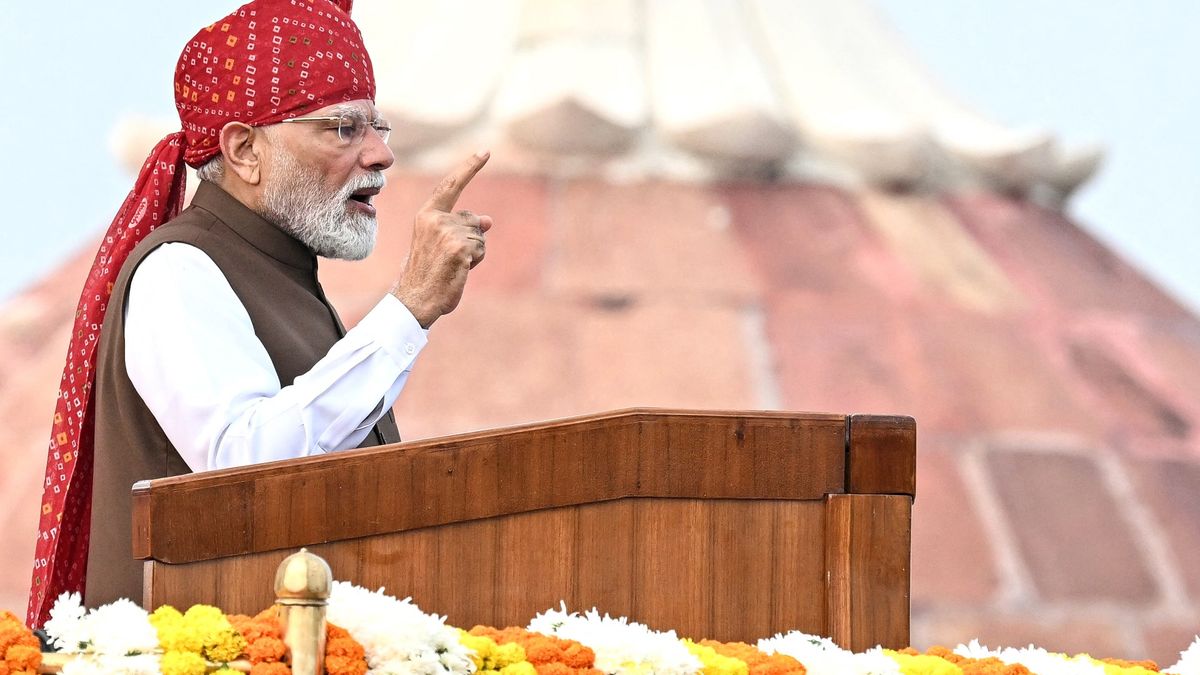
Indian Prime Minister Narendra Modi marked the country's Independence Day with a speech that underscored the government's success in reducing Maoist violence. However, he also warned of a new threat: 'intellectual Naxals' who allegedly seek to create violence and must be identified and isolated. This phrase echoes the term 'urban Naxal', previously used by Modi's government to label activists, academics, and intellectuals who criticize the administration.
Modi's speech comes at a time when his government is facing rare challenges from youth-led protest movements, such as the Cockroach Janta Party. The government's response has been to highlight initiatives aimed at young Indians, including AI skills training and free online coaching for competitive exams. This strategy is designed to co-opt the youth and undermine the opposition. Meanwhile, the government's security and development policies have been credited with reducing Maoist violence since 2014. However, rights groups have accused the government of using anti-terror laws and sedition-related provisions to target activists, journalists, and groups critical of its policies.
The Naxalite movement, which began in 1967, has had a profound impact on the lives of landless farmers, the rural poor, and Indigenous communities. Thousands of civilians, rebels, and security personnel have died in the fighting. While the government claims to have reduced Maoist violence, the real cost of this crackdown is borne by civil society and democratic freedoms. Activists, academics, and intellectuals who speak out against the government are increasingly being targeted and silenced. The government's actions have created a climate of fear, where dissent is seen as a threat to national security.
What the government is downplaying is the fact that its crackdown on dissent is not just limited to 'intellectual Naxals'. The government's use of anti-terror laws and sedition-related provisions has a chilling effect on free speech and assembly. The real story is that the government is using the threat of 'intellectual Naxals' as a pretext to silence its critics and undermine civil society. As India strives to become a developed nation by 2047, the government's actions may ultimately undermine the very foundations of its democracy.
As the Indian government continues its crackdown on dissent, readers should watch for the following developments: the government's response to youth-led protest movements, the impact of anti-terror laws and sedition-related provisions on civil society, and the role of international organizations in holding the government accountable for its human rights record. The world's largest democracy is at a crossroads, and the choices it makes will have far-reaching consequences for its people and the world at large.
Editor's Note: The analysis is based on publicly available information and may not reflect the full complexity of the situation on the ground.
Source referenced: ALJAZEERA
This brief was synthesized by our Editorial Engine and reviewed by The Ground Narrative team.


