TRENDING

Wednesday, 23 September 2026
----------------------
12 Rabi' Al-Thani 1448 AH
India faces a severe drought threat as El Nino intensifies, posing significant risks to agriculture, food prices, and water security. The country's reliance on rainfall and its volatile climate make it particularly vulnerable to this phenomenon.
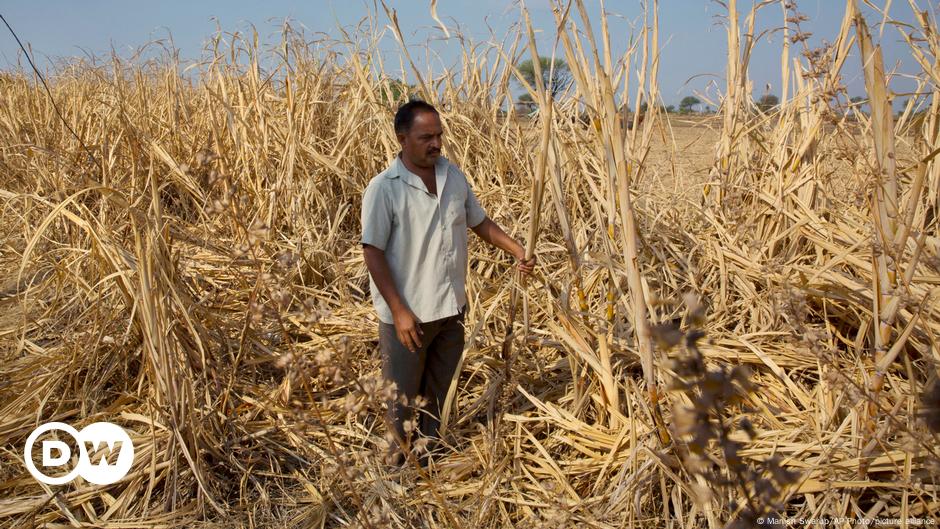
India is bracing for a severe drought as El Nino intensifies, threatening the country's agriculture, food prices, and water security. The current strong El Nino event is forecast to lead to weaker-than-normal monsoon rains, which could have far-reaching consequences for the country's rural economy.
El Nino occurs when sea surface temperatures in the tropical Pacific Ocean become unusually warm, altering rainfall patterns and weather systems across large parts of the world, including India. This phenomenon has historically been associated with weaker monsoon rains in India, and the current strong El Nino event is no exception.
India's reliance on rainfall for agriculture makes it particularly vulnerable to El Nino. Nearly half of the country's farmland remains dependent on rainfall, and the monsoon season is crucial for agricultural output, rural incomes, and food prices. The June-September rains also replenish reservoirs and groundwater supplies that millions depend on for drinking water.
Climate change is making India's rainfall more volatile, with more rain falling in fewer days and extreme weather events becoming more frequent. This volatility is exacerbating the impact of El Nino, making it more challenging for farmers to adapt to the changing climate.
The implications of a dry summer extend well beyond crop production. Weak rainfall and rising temperatures harm livestock, fisheries, and forests, threatening livelihoods across rural India. The country's food security is also at risk, as a prolonged drought could lead to food price inflation and shortages.
The Indian government has drawn up contingency plans for regions most vulnerable to rainfall deficits. The Ministry of Agriculture and Farmers' Welfare has identified 111 districts with irrigation coverage of 25% or less as high-priority areas requiring intervention should monsoon conditions deteriorate. The government has also set up an El Nino Monitoring Cell and a Crop Weather Watch Group to track rainfall, crop conditions, and sowing progress.
The consequences of a dry summer will be felt long after the monsoon season ends. A warmer and shorter winter could hurt yields, farm incomes, and food prices after September. The real crisis may not be in the current monsoon crop season but in the winter crop season, as El Nino is expected to strengthen later in the year.
India's El Nino-driven drought is a perfect storm of climate change and agricultural vulnerability. The country's reliance on rainfall, combined with the volatility of its climate, makes it particularly susceptible to this phenomenon. The government's response to this crisis will be crucial in mitigating its impact and ensuring the country's food security.
The Indian government should continue to monitor the situation closely and provide timely support to farmers and rural communities.
The government should invest in climate-resilient agriculture and water management infrastructure to reduce the country's vulnerability to El Nino.
* The international community should provide support to India in its efforts to address the impacts of El Nino and climate change.