TRENDING

Saturday, 3 October 2026
----------------------
22 Rabi' Al-Thani 1448 AH
A devastating wildfire in southern France has forced the evacuation of two hamlets, with over 200 firefighters battling the blaze that has scorched around 90 hectares in the Lozere region. The fire, possibly sparked by a vehicle fire, remains out of control amid extremely dry conditions. As the situation continues to unfold, it's essential to examine the underlying factors contributing to this disaster and the human impact it has on local communities.
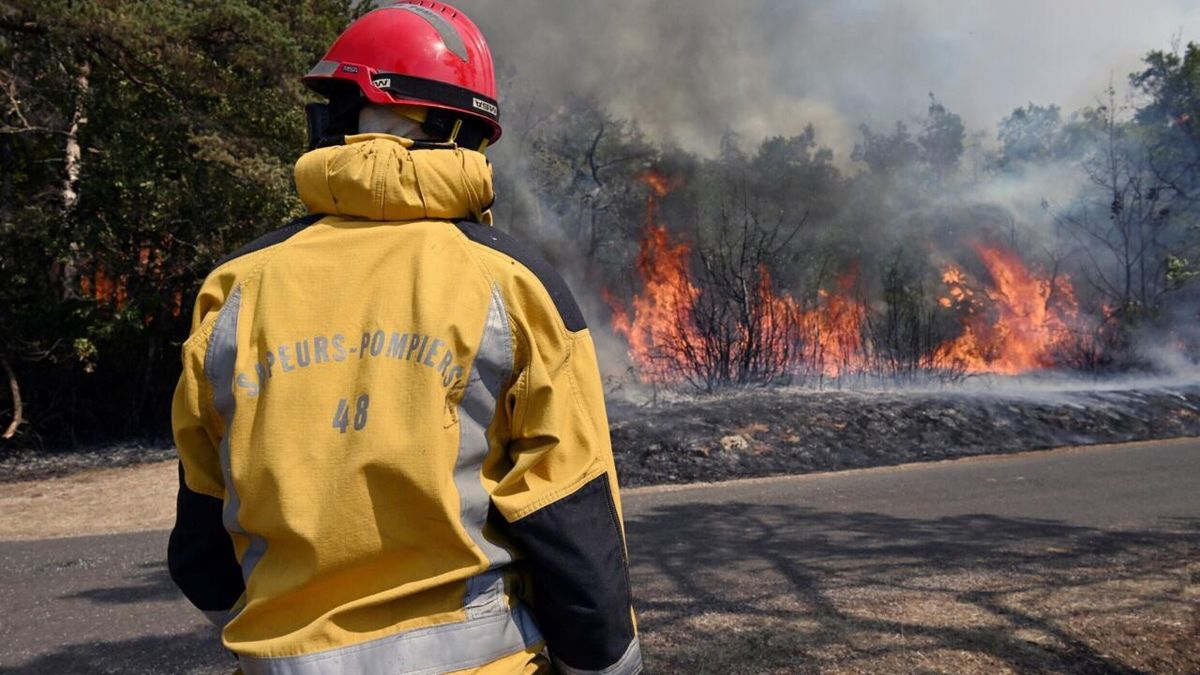
A wildfire broke out in southern France, specifically in the Lozere region, on Sunday, prompting the evacuation of two hamlets and affecting around 20 homes. The fire, which might have been sparked by a vehicle catching fire on a local road, has burned approximately 90 hectares of land and continues to spread. Over 200 firefighters, supported by four Canadair water bombers and a Dash aircraft, are working to contain the blaze.
The wildfire in southern France is a stark reminder of the devastating consequences of climate change. The region's extremely dry conditions, exacerbated by drought, have created a perfect storm for wildfires to spread rapidly. This is not an isolated incident; Europe has been experiencing a surge in wildfires due to rising temperatures and changing precipitation patterns. The French government's response to the crisis will be crucial in mitigating the damage and providing support to affected communities.
The people most affected by the wildfire are the residents of the two evacuated hamlets, who have been forced to leave their homes and livelihoods behind. The local economy, heavily reliant on agriculture and tourism, will also suffer significantly due to the fire. The psychological toll of such disasters should not be underestimated, as families and individuals face the trauma of displacement and uncertainty about their future.
What is being downplayed in the official narrative is the role of climate change in exacerbating the wildfire crisis. While the immediate cause of the fire might have been a vehicle fire, the underlying conditions that allowed the blaze to spread so rapidly are a direct result of decades of environmental neglect and climate inaction. Furthermore, the disproportionate impact of such disasters on rural and marginalized communities is often overlooked, as they lack the resources and infrastructure to cope with the aftermath of a disaster.
As the situation in southern France continues to unfold, it's essential to monitor the government's response to the crisis, including the provision of support to affected communities and the implementation of measures to prevent similar disasters in the future. Additionally, the international community should take note of the growing threat of wildfires across Europe and the need for collective action to address the root causes of climate change.
Editor's Note: The analysis is based on publicly available information and may not reflect the full complexity of the situation on the ground.
Source referenced: FRANCE24
This brief was synthesized by our Editorial Engine and reviewed by The Ground Narrative team.