TRENDING

Monday, 5 October 2026
----------------------
24 Rabi' Al-Thani 1448 AH
The Israeli military's closure of the Palestinian Christian village of Taybeh to non-residents aims to halt growing settler attacks, but the move raises questions about the protection of Palestinian rights and the role of Western sanctions. As the situation unfolds, the international community must consider the human cost of these conflicts and the power dynamics at play.
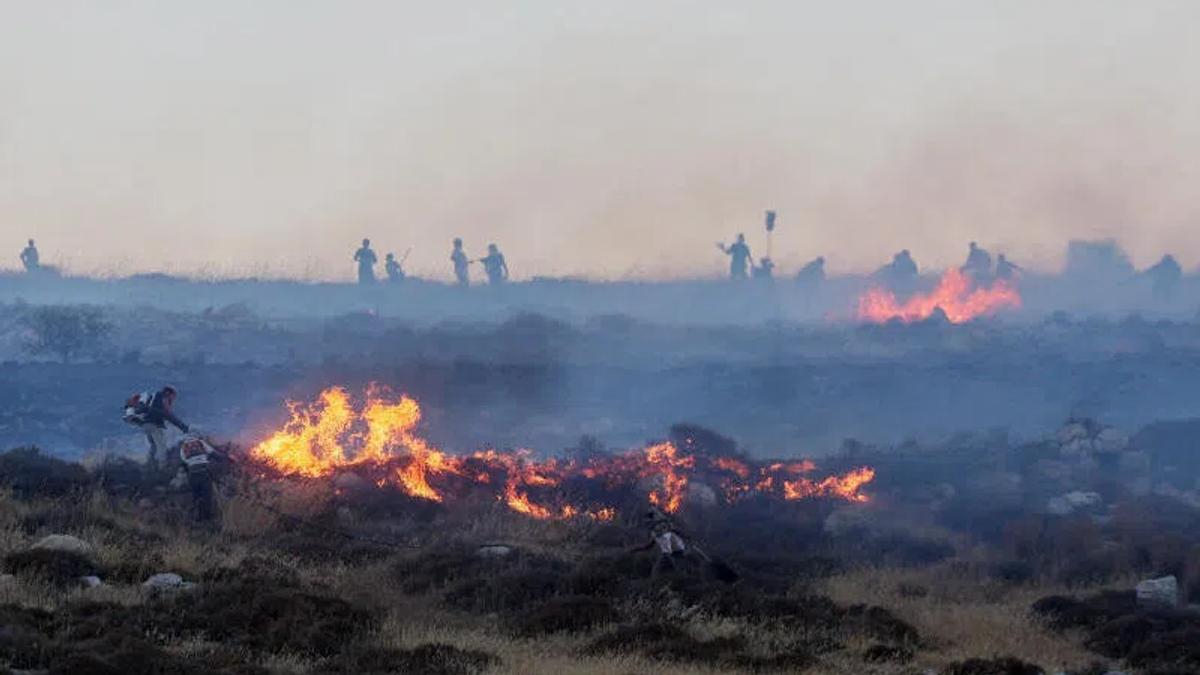
The Israeli military has closed the West Bank village of Taybeh to non-residents, citing the need to prevent violent attacks by Israeli settlers on Palestinians. This move comes after a series of incidents, including the obstruction of Palestinian firefighters and reports of intimidation and violence against the local population.
The closure of Taybeh is a complex issue, involving the interplay of Israeli military control, settler violence, and the limited autonomy of the Palestinian Authority in Area B, where parts of the village are located. The Israeli government's actions are influenced by the need to balance the interests of its citizens, including settlers, with the requirements of maintaining order and protecting Palestinian rights. However, the use of military closures and the involvement of Israeli authorities in settler attacks, as highlighted by a recent UN inquiry, raise concerns about the fairness and effectiveness of these measures.
The people of Taybeh, a predominantly Christian village, bear the brunt of these conflicts. The village is home to a significant Christian population and is an important cultural and historical site, with the Taybeh Brewing Co. being a notable example of local enterprise. The restrictions and violence faced by the villagers undermine their fundamental rights and threaten their way of life. The exodus of Palestinian Christians from the West Bank, driven by hardships and insecurity, is a worrying trend that has significant implications for the region's cultural and religious diversity.
What is often downplayed in official statements is the extent to which Israeli authorities are involved in settler attacks and the impact of these actions on Palestinian communities. The international community, including Western countries, has announced sanctions on settler groups, but the effectiveness of these measures in preventing violence and protecting Palestinian rights remains to be seen. The fact that some Israeli settlers feel emboldened to attack Palestinians, despite the presence of Israeli military forces, suggests a deeper issue with the rule of law and the accountability of those responsible for these actions.
As the situation in Taybeh and the wider West Bank continues to evolve, readers should watch for signs of whether the Israeli military's closure of the village will effectively reduce settler violence and protect Palestinian rights. The response of the international community, including the implementation of sanctions and support for Palestinian communities, will be crucial in determining the outcome of this crisis. Furthermore, the long-term implications of these events for the region's stability, the prospects for a two-state solution, and the preservation of cultural and religious diversity in the Holy Land will require close attention and analysis.
Editor's Note: The analysis is based on publicly available information and may not reflect the full complexity of the situation on the ground.
Source referenced: STRAITSTIMES
This brief was synthesized by our Editorial Engine and reviewed by The Ground Narrative team.


