TRENDING

Friday, 9 October 2026
----------------------
28 Rabi' Al-Thani 1448 AH
An ICE officer opened fire on a car carrying a man and his five‑year‑old child in Manhattan, sparking outrage and a clash between city officials and federal immigration policy. The incident reveals deep power struggles and a growing human cost for immigrant communities.
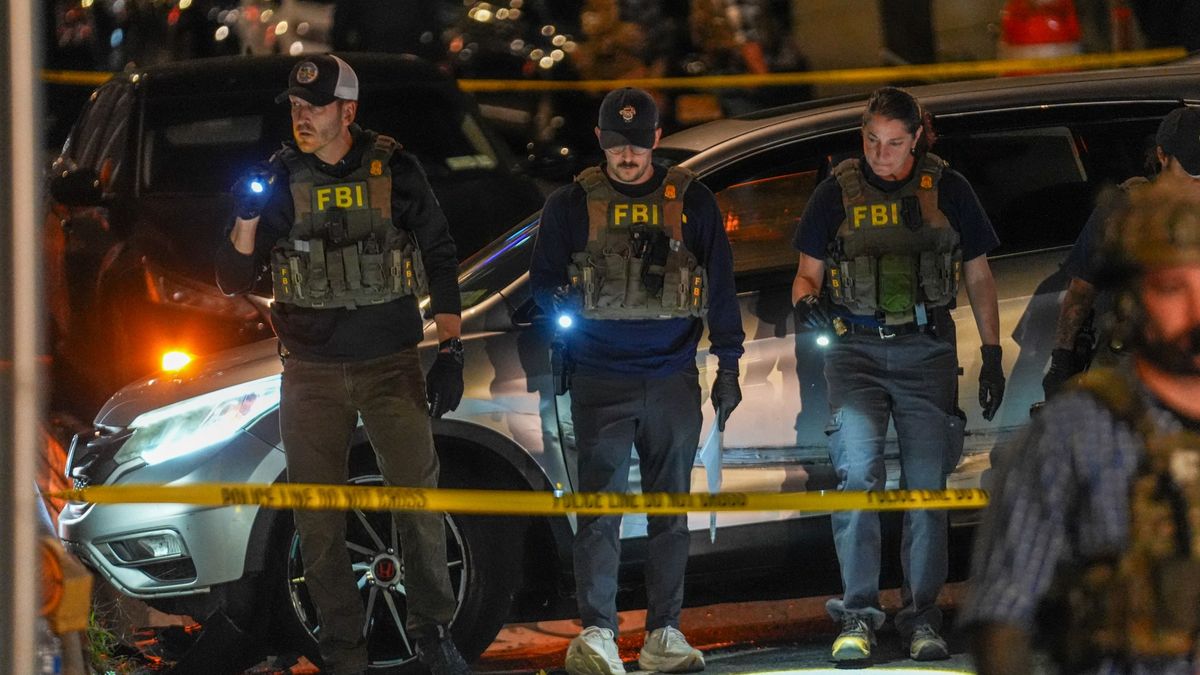
On October 8, 2026, an ICE agent opened fire on a vehicle in the Marble Hill neighborhood of New York City, striking a man who was driving with his five‑year‑old child in the back seat. According to Mayor Zohran Mamdani, agents had surrounded the car during a “targeted enforcement operation” and discharged multiple rounds, injuring the driver while the child emerged physically unharmed. The New York Police Department confirmed the man remained conscious and was taken to a nearby hospital. The incident prompted immediate protests, with demonstrators marching from the scene to the hospital demanding an end to ICE activities in the city.
The shooting cannot be understood without recognizing the massive expansion of Department of Homeland Security resources over the past two years. A tax bill signed by President Donald Trump allocated roughly $75 billion to ICE, fueling a target of one million deportations annually and swelling the agency’s staff to over 22,000 officers. This budgetary surge creates institutional pressure to meet quantitative goals, incentivizing aggressive field tactics.
New York’s mayoral office has long resisted federal immigration enforcement, invoking sanctuary policies that limit cooperation with ICE. The city’s stance pits local elected officials, who depend on immigrant voter blocs and community goodwill, against a federal agency whose leadership is directly answerable to the White House. The clash intensifies when federal agents operate in densely populated boroughs, where any misstep instantly becomes a political flashpoint.
For the Trump administration, a hard‑line immigration posture serves as a rallying point for its base ahead of the 2026 midterm elections. By portraying ICE as a tool that removes “violent criminals,” the administration seeks to deflect criticism over civil‑rights concerns and to energize voters in swing states. The New York incident, occurring just weeks before the campaign season, provides a stark illustration of how enforcement actions are leveraged for electoral gain.
The man shot by the ICE officer faces physical injury, medical expenses, and the psychological trauma of being targeted while protecting a child. Though the five‑year‑old escaped serious harm, the experience of witnessing gunfire in a confined space can have lasting developmental impacts, including anxiety and mistrust of authorities.
Immigrant neighborhoods across the city have responded with heightened fear. Residents report avoiding public spaces, limiting school attendance for children, and withdrawing from essential services out of concern that any interaction could trigger a similar raid. Local businesses, many owned by undocumented entrepreneurs, experience reduced foot traffic as customers stay home.
Beyond the direct medical costs, the incident fuels a broader economic chill. Legal fees for potential civil suits, increased security expenditures for community groups, and the diversion of city resources to manage protests strain municipal budgets already stretched by housing and public‑health demands.
While the DHS announced an internal investigation, it has provided no timeline or independent oversight mechanism. Historically, ICE investigations are conducted behind closed doors, limiting public scrutiny and allowing procedural gaps to persist. This secrecy hampers accountability and fuels speculation about cover‑ups.
Federal officials have framed the incident as a necessary response to a “dangerous individual” with a criminal record, downplaying the presence of a child and the broader community impact. By emphasizing the suspect’s Dominican nationality and prior conviction, the administration seeks to legitimize the use of lethal force, sidestepping questions about proportionality.
The massive ICE budget is partially sourced from contracts awarded to private prison operators and surveillance technology firms. Each high‑profile enforcement action validates the demand for these services, creating a profit motive that is rarely discussed in official statements. This financial undercurrent influences policy decisions that prioritize arrests over community safety.
The city is expected to file a lawsuit demanding an end to ICE operations within New York’s jurisdiction, citing constitutional violations. Watch for court filings, potential injunctions, and the involvement of civil‑rights groups that could set precedents for other sanctuary cities.
As the 2026 midterms approach, both parties will likely use the incident to rally their bases. Monitor campaign speeches, fundraising appeals, and any shifts in immigration rhetoric that could reshape voter sentiment in key swing districts.
Congressional hearings on ICE funding are slated for early 2027. Legislators may propose amendments to the agency’s budget, introduce oversight provisions, or even consider scaling back the deportation quota. The outcome will signal whether federal enforcement will intensify or be reined in in response to public outcry.
In the meantime, community organizers continue to document arrests, provide legal aid, and hold street protests. Their grassroots momentum, combined with legal challenges, will determine whether the shooting remains an isolated tragedy or a catalyst for systemic change.
ICE agents were conducting a targeted enforcement operation to arrest a Dominican national with a criminal record. The agent claimed the suspect posed a threat, leading to the discharge of his weapon.
Mayor Zohran Mamdani condemned the incident, called President Trump, and announced plans to demand an end to ICE actions in the city while preparing legal challenges against federal enforcement.
Potential outcomes include court injunctions limiting ICE activity in New York, congressional hearings on ICE funding, and increased oversight that could curb aggressive enforcement tactics.
Source referenced: ALJAZEERA
This brief was synthesized by our Editorial Engine and reviewed by The Ground Narrative team.


