TRENDING

Friday, 16 October 2026
----------------------
5 Jumada Al-Awwal 1448 AH
Honduras experienced one of its most violent days in recent years, with at least 25 people, including six police officers, killed in two separate attacks. The surge in violence challenges the newly inaugurated government's hardline security policies and highlights the deep-seated issues of organized crime, narcotrafficking, and land disputes in the Central American nation.
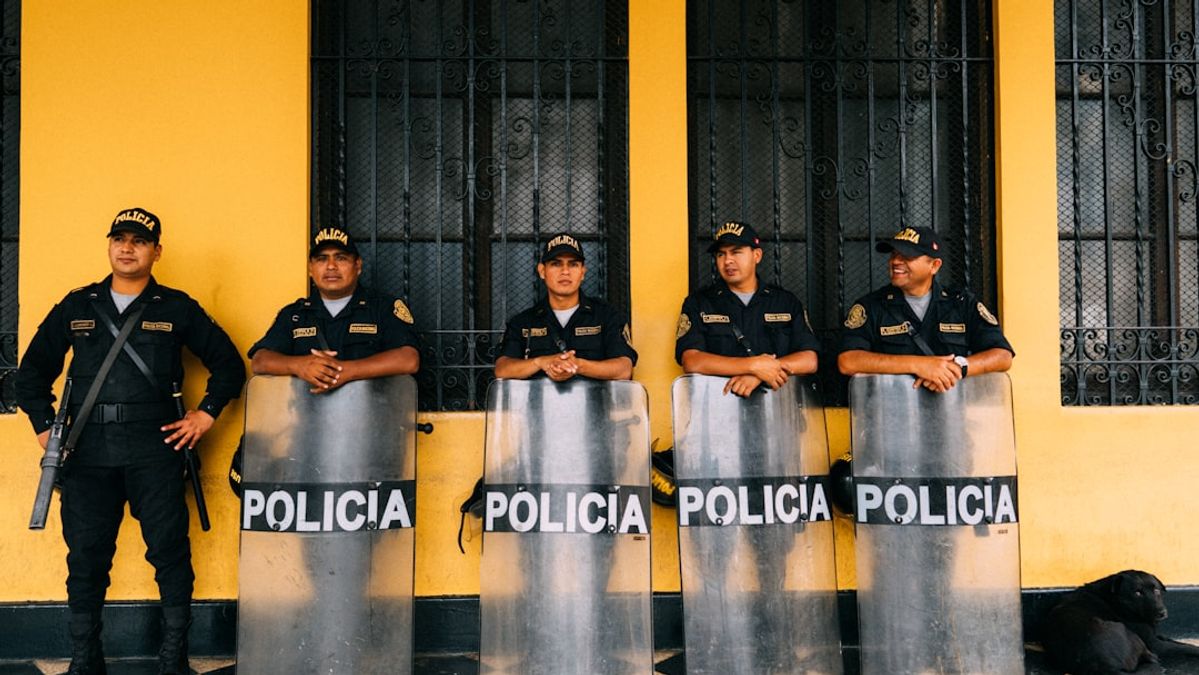
Honduras, a Central American nation long grappling with pervasive organized crime, recently endured one of its most violent days in recent memory. On Thursday, May 22, 2026, at least 25 individuals were killed in two distinct attacks, underscoring the severe challenges facing the government's efforts to restore order and security. The incidents, which claimed the lives of both civilians and law enforcement officers, have ignited renewed concerns over the country's stability, the efficacy of its security strategies, and the delicate balance between public safety and civil liberties.
The first and most devastating attack occurred in the municipality of Trujillo in northern Honduras, specifically within a palm plantation. Gunmen raided the site, resulting in the deaths of 19 people. While a leader of a rural group suggested the victims were employees of an armed faction controlling the plantation, local media reports indicated that the assailants fired indiscriminately at laborers, with the oldest victim identified as 61. Photographs from the scene depicted bodies, some still in work attire, strewn across the ground, painting a grim picture of the brutality. Simultaneously, in the western municipality of Omoa, near the Guatemalan border, six police officers were ambushed and killed during an operation aimed at quashing gang activity. These coordinated or coincidental acts of extreme violence prompted the National Police to issue a statement vowing immediate intervention in the affected areas and a firm state response to apprehend those responsible and protect vulnerable communities.
The recent surge in violence is not an isolated phenomenon but rather a stark manifestation of deeply entrenched issues within Honduras. The country has long been a critical transit point for narcotrafficking routes from South America to the United States, a factor that has significantly empowered and militarized local criminal organizations. These groups, often referred to as 'maras' or cartels, exert control over vast territories, engaging in extortion, human trafficking, and drug distribution, thereby undermining state authority and fostering a climate of fear.
Crucially, the Trujillo massacre highlights the volatile intersection of organized crime and land disputes. The incident occurred near the Aguan River Valley, a region notorious for decades-long conflicts over land ownership and exploitation. Police chief Carlos Rojas indicated that armed groups illegally occupy and exploit large African palm plantations, using the proceeds to finance their operations and acquire weaponry. However, local farmer groups offer a counter-narrative, accusing transnational agribusiness corporations of sponsoring these criminal elements to facilitate land occupations and prevent residents from reclaiming disputed territories. This complex web of interests has made the Aguan River Valley one of the most dangerous places globally for environmental and land rights activists, with over 150 people killed or disappeared in the area, including a prominent campaigner whose assassination plot led to recent arrests, including a mayor.
The attacks directly challenge the security agenda of newly inaugurated President Nasry Asfura. Asfura, described as a close ally of United States President Donald Trump, has prioritized a hardline approach to security, signaling a significant shift in policy. His administration ended a state of emergency that had been in place since 2022, but simultaneously pushed through new legislation allowing authorities to designate gangs and drug cartels as terrorist groups. Furthermore, a new anti-organized crime unit has been established, signaling a more aggressive, potentially militarized, stance against criminal elements.
While such measures aim to restore order, they also raise significant concerns regarding civil liberties and human rights. The designation of gangs as terrorist groups could grant broader powers to security forces, potentially leading to abuses if not accompanied by robust oversight and accountability mechanisms. The balance between effective crime suppression and the protection of fundamental rights remains a critical challenge for the Honduran government, drawing international scrutiny, particularly from human rights organizations and international bodies.
Honduras's struggle with gang violence is emblematic of broader challenges facing the Northern Triangle of Central America (Honduras, Guatemala, El Salvador). This region is characterized by high levels of violence, weak governance, and economic instability, which collectively contribute to significant outward migration. The continued instability in Honduras has ripple effects across the region, impacting border security, trade, and the overall humanitarian situation. The international community, particularly the United States, has a vested interest in the stability of these nations due to migration pressures and the transnational nature of drug trafficking.
The recent violence underscores the immense task ahead for President Asfura's administration. While a hardline approach may offer a sense of immediate action, sustainable peace requires addressing the underlying socio-economic disparities, land injustices, and systemic corruption that fuel organized crime. The coming months will be critical in determining whether Honduras can effectively dismantle criminal networks while upholding democratic principles and protecting its citizens' rights, or if the cycle of violence will continue to destabilize the nation and the broader region.
Source referenced: ALJAZEERA
This brief was synthesized by our Editorial Engine and reviewed by The Ground Narrative team.