TRENDING

Tuesday, 13 October 2026
----------------------
2 Jumada Al-Awwal 1448 AH
Japan faces a growing challenge with 'jiko bukken,' or stigmatized properties, where homes are difficult to sell or rent due to past deaths, driven by cultural beliefs about impurity. This phenomenon exacerbates the nation's broader vacant home crisis, fueled by an aging population and rural depopulation.
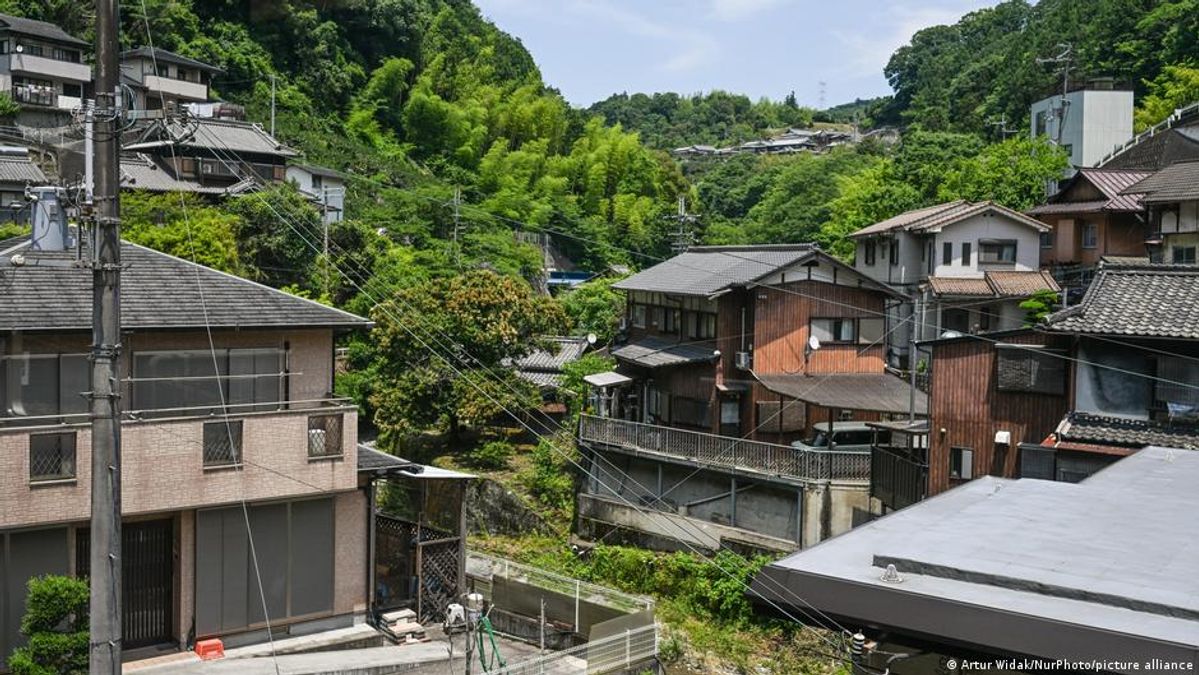
Japan, a nation grappling with profound demographic shifts, faces a unique socio-economic challenge rooted in its cultural beliefs: the proliferation of "jiko bukken," or stigmatized properties. These are homes where unfortunate events, such as suicides, "lonely deaths" (dying alone), murders, or accidental fires, have occurred. Driven by deeply ingrained cultural perceptions of death as impure, these properties become exceedingly difficult to sell or rent, exacerbating Japan's already critical issue of vacant homes and presenting a complex interplay of culture, demography, and economics.
At the heart of the "jiko bukken" phenomenon lies a specific aspect of Japanese cultural and spiritual belief. As articulated by Kazutoshi Kodama, president of Kachimode Co., a specialist property firm, "Japanese people sometimes regard death as impure. Death equates to impurity and misfortune." This belief leads to a widespread reluctance among potential tenants and buyers to occupy properties associated with such events, fearing that proximity to these "impure" spaces will bring them misfortune. The legal requirement for real estate agents to disclose a property's history further entrenches this stigma, making it impossible to conceal the past. Websites even exist to publicly list these stigmatized locations, detailing the reasons for their blacklisting, from "lonely deaths" to more ominous "obtain details from real estate agent" entries.
The economic consequences of "jiko bukken" are substantial. Owners of stigmatized properties often face significant financial drains, forced to reduce rents by 30% in urban areas and up to 50% elsewhere. Even with drastic price cuts, many properties remain vacant for extended periods, some for over 500 or even 1,000 days, effectively becoming unsellable or unrentable assets. This contributes directly to Japan's broader crisis of vacant homes, which, according to a late 2024 government survey, numbered nine million, accounting for 13.8% of all accommodation. While various factors contribute to this figure, including family disagreements over inheritance, superstition plays a significant and often underestimated role. The inability to utilize these properties represents a considerable loss of potential housing stock and economic value, impacting local economies and urban planning efforts.
The "jiko bukken" issue is not isolated but is deeply intertwined with Japan's overarching demographic crisis. The nation is experiencing rapid population decline, particularly in rural areas, coupled with an aging society. This demographic shift naturally leads to a surplus of properties as younger generations migrate to cities or as elderly residents pass away without immediate successors. The cultural aversion to "jiko bukken" then acts as an additional, powerful impediment to the repurposing or re-occupancy of these vacant homes. In a country where the overall housing supply already outstrips demand in many regions, the added layer of cultural stigma exacerbates the problem, turning potentially habitable homes into long-term liabilities.
In response to this unique challenge, specialized businesses have emerged, demonstrating a fascinating intersection of traditional beliefs and modern entrepreneurship. Companies like Kachimode Co., established in December 2022, offer "ghost investigations" where teams conduct overnight stays, employing video, audio, electromagnetic, and thermographic surveys to "verify that rooms where people have died have been thoroughly refurbished and are now clean, and to prove that poltergeist phenomena... do not occur." This service, costing 88,000 yen, aims to provide a scientific "cleansing" report to reassure potential occupants. Similarly, Akiya Mart, a platform promoting the sale of empty properties, has introduced a package involving Shinto priests to perform purification rituals, acknowledging the spiritual dimension of the problem. These innovative approaches highlight the market's adaptation to a culturally sensitive issue, attempting to bridge the gap between traditional beliefs and practical housing needs.
While seemingly a domestic real estate quirk, the "jiko bukken" phenomenon offers a compelling case study of how deep-seated cultural norms can significantly impact a nation's socio-economic stability and resource utilization. For Japan, a major global economy, the inability to efficiently manage its housing stock due to cultural stigma, compounded by demographic decline, represents a subtle but persistent drag on its economic vitality and social cohesion. It underscores the complex challenges faced by developed nations with aging populations, where traditional values can intersect with modern economic pressures to create unique societal dilemmas. The innovative, albeit unconventional, solutions emerging from the private sector reflect a pragmatic attempt to navigate these cultural sensitivities, aiming to unlock the value of otherwise viable properties and contribute to the broader effort of revitalizing communities across Japan. The long-term success of these initiatives will be crucial in determining how Japan manages its demographic future and the utilization of its national assets.
Source referenced: DW
This brief was synthesized by our Editorial Engine and reviewed by The Ground Narrative team.


