TRENDING

Tuesday, 13 October 2026
----------------------
2 Jumada Al-Awwal 1448 AH
A leaked trove of documents has exposed 'Project Afrika,' a sophisticated Russian propaganda operation aimed at manipulating public opinion across West and Central Africa. The campaign, initially linked to the Wagner Group and later taken over by Russian secret services, involved placing hundreds of disinformation articles in local media outlets to advance Moscow's strategic agenda.
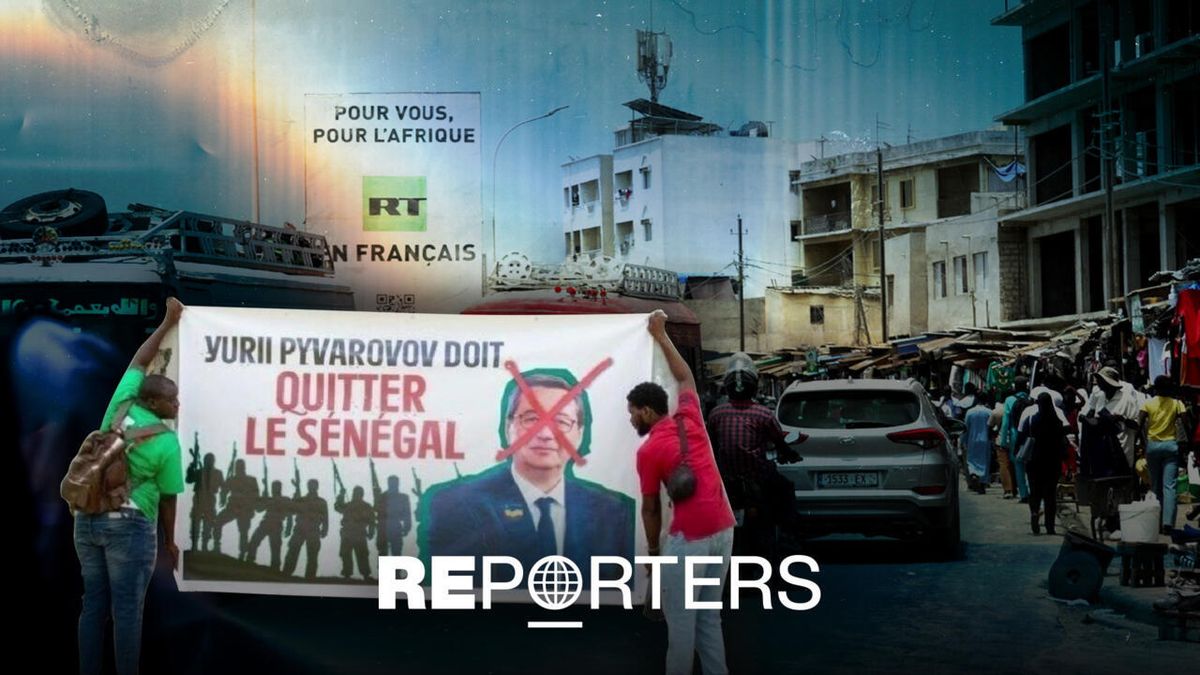
A significant leak of confidential documents has brought to light 'Project Afrika,' a clandestine Russian influence campaign designed to disseminate propaganda and disinformation across French-speaking media outlets in West and Central Africa. The operation, detailed in an investigation by a consortium of media outlets led by Forbidden Stories and including FRANCE 24, reveals a concerted effort by Moscow to shape regional narratives, undermine Western influence, and advance its strategic interests on the continent.
The revelations stem from documents belonging to a Russian entity known as Africa Politology, internally referred to as 'The Company.' This organization, initially established by the Wagner Group, was reportedly absorbed by Russia's secret services in 2023, signaling a formalization and escalation of state-backed information warfare efforts. The leaked files indicate that between June and November 2024, 'The Company' successfully placed 644 articles containing propaganda or outright disinformation in at least 35 media outlets across the targeted regions, incurring costs exceeding $300,000.
Russia's strategic motivations behind 'Project Afrika' are multifaceted. The campaign explicitly aimed to propagate anti-France and anti-Ukraine positions, alongside broader disinformation narratives. This aligns with Russia's overarching geopolitical strategy to challenge the influence of traditional Western powers, particularly France, in its former colonial spheres, and to garner international support or at least neutrality regarding its conflict in Ukraine. By fostering anti-Western sentiment and promoting a pro-Russian viewpoint, Moscow seeks to create a more favorable environment for its diplomatic, economic, and security engagements in Africa.
The operational methodology of 'Project Afrika' involved a sophisticated network of local intermediaries and journalists. These individuals were reportedly paid between $250 and $700 per article to place 'ready-to-publish' content in various online news platforms. Investigations, such as the one conducted by FRANCE 24 in Dakar, Senegal, highlighted how these operations exploited the vulnerabilities of local media outlets, many of which are dependent on advertising revenue and eager to publish a high volume of content. This economic precarity made them susceptible to foreign influence, often without full awareness of the content's true origin or agenda.
The exposure of 'Project Afrika' carries significant geopolitical implications. For West and Central Africa, it underscores the fragility of the information environment and the susceptibility of nascent democracies to foreign interference. The deliberate spread of disinformation can erode public trust in legitimate news sources, exacerbate social divisions, and potentially destabilize political landscapes. Countries like Senegal, explicitly targeted by 'The Company' to be brought more firmly into Russia's 'zone of influence,' face direct challenges to their media integrity and national sovereignty.
More broadly, this operation is indicative of a global trend in information warfare, where state and non-state actors increasingly leverage digital platforms to shape perceptions and influence policy outcomes. Russia's engagement in Africa, often characterized by military cooperation, resource extraction deals, and anti-colonial rhetoric, is now clearly complemented by a robust information component. This multi-pronged approach allows Moscow to project soft power, secure strategic alliances, and challenge the existing international order.
The revelations from 'Project Afrika' serve as a critical reminder of the ongoing battle for narratives in the global arena. As geopolitical competition intensifies, particularly in regions deemed strategically vital like Africa, the weaponization of information is likely to become more prevalent. For African nations, strengthening media literacy, supporting independent journalism, and implementing robust regulatory frameworks will be crucial in building resilience against such sophisticated influence campaigns.
For international observers, the incident highlights the need for continued vigilance and collaborative investigative journalism to expose and counter covert state-sponsored propaganda. The transition of 'The Company' from a Wagner Group initiative to one under Russia's secret services suggests a long-term, institutional commitment by Moscow to information operations, signaling that 'Project Afrika' is likely part of a broader, evolving strategy rather than an isolated incident. The long-term consequences will depend on the ability of targeted societies and the international community to effectively identify, understand, and mitigate these persistent threats to information integrity and democratic processes.
Source referenced: FRANCE24
This brief was synthesized by our Editorial Engine and reviewed by The Ground Narrative team.