TRENDING

Thursday, 15 October 2026
----------------------
4 Jumada Al-Awwal 1448 AH
The election of Andy Burnham as the UK's Labour Party leader and potential prime minister has significant implications for regional politics and global relations, particularly in the context of the rise of the Reform UK party.
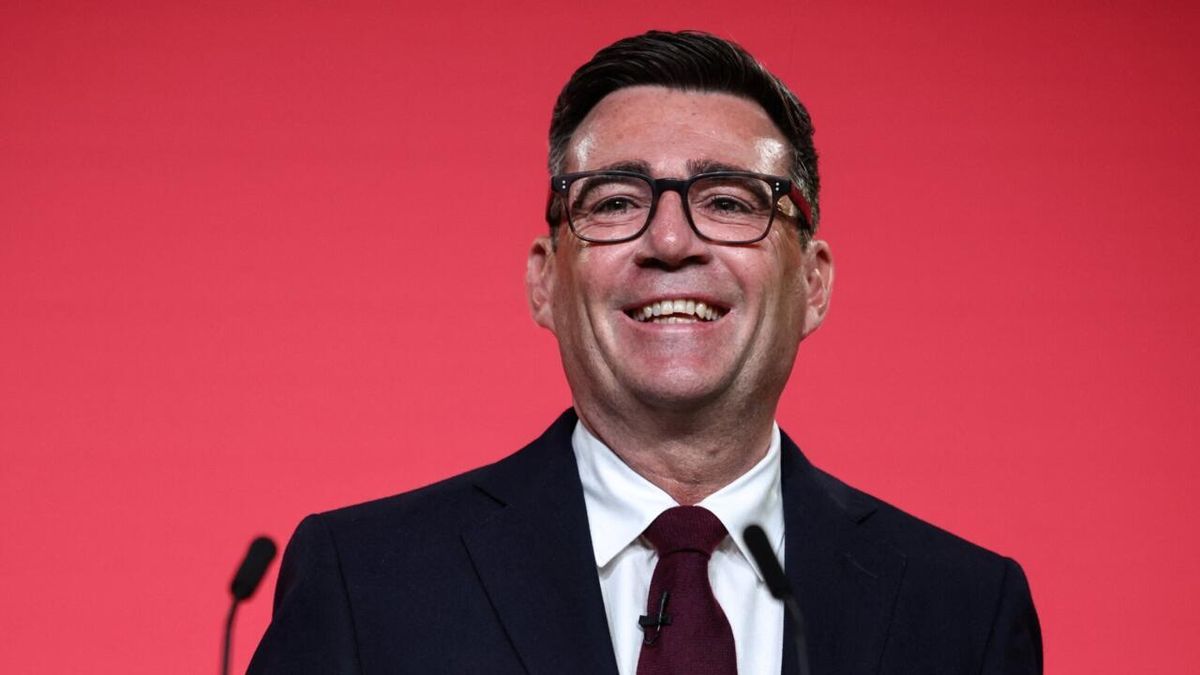
The election of Andy Burnham as the UK's Labour Party leader and potential prime minister is a significant development in British politics. Burnham's victory is largely attributed to his pledge to thwart the rise of the Reform UK party, a populist movement led by Nigel Farage. The Reform UK party has been gaining momentum in recent months, topping opinion polls and posing a threat to Labour's parliamentary seats.
The Labour Party has been struggling to regain its footing in British politics, with Keir Starmer's leadership failing to inspire confidence among voters. The party's decline has created an opportunity for Reform UK to capitalize on the growing discontent among 'left-behind communities' who feel neglected by the current government. Burnham's promise to rebalance power from London to Britain's regions is a key aspect of his campaign, aimed at reducing inequality and addressing the concerns of these communities.
Burnham's rise to leadership is closely tied to his experience as the mayor of Greater Manchester, where he earned the nickname 'King of the North' for his determination to defend the region's interests. His pledge to rebalance power from London to Britain's regions has significant implications for regional politics, particularly in the North of England. Burnham's focus on regional development and reducing inequality may help to address the long-standing North-South divide in the UK.
Burnham's leadership and potential prime ministership may also have implications for UK foreign policy. As the UK navigates its relationships with other nations, particularly in the context of Brexit, Burnham's approach to government may influence the country's stance on global issues. His focus on regional development and reducing inequality may also shape the UK's approach to international development and aid.
Burnham's election as Labour leader and potential prime minister is a significant development in British politics. However, he faces significant challenges in the coming months and years. With a general election no more than three years away, Burnham will need to start implementing his pledges, many of which are based on long-term thinking, as quickly as possible. His ability to deliver on his promises will be crucial in determining the future of the Labour Party and the UK's regional politics.
The election of Andy Burnham as the UK's Labour Party leader and potential prime minister has significant implications for regional politics and global relations. His pledge to rebalance power from London to Britain's regions and reduce inequality may help to address the long-standing North-South divide in the UK. However, Burnham faces significant challenges in the coming months and years, and his ability to deliver on his promises will be crucial in determining the future of the Labour Party and the UK's regional politics.
Editor's Note: Burnham's ability to deliver on his promises and address the long-standing North-South divide in the UK remains uncertain.
Source referenced: FRANCE24
This brief was synthesized by our Editorial Engine and reviewed by The Ground Narrative team.


