TRENDING

Wednesday, 14 October 2026
----------------------
3 Jumada Al-Awwal 1448 AH
Europe is facing an unprecedented convergence of extreme weather events, including widespread wildfires, severe drought, and violent storms, which are collectively straining energy systems, disrupting economies, and posing a significant public health emergency across the continent. This crisis underscores the escalating geopolitical and economic implications of climate change.
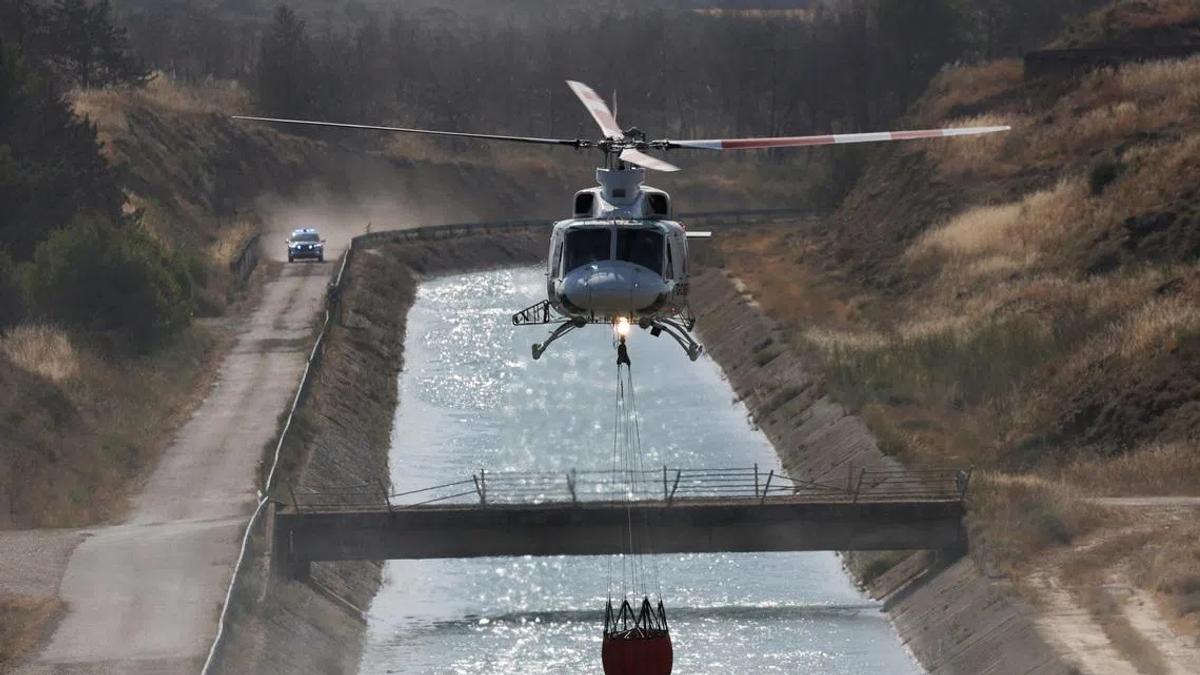
Europe is currently navigating a complex and multi-faceted environmental crisis, as successive early summer heatwaves give way to a volatile mix of devastating wildfires, prolonged drought, and violent storms. This confluence of extreme weather, widely attributed by scientists to human-driven climate change, is not merely a series of isolated meteorological events but a systemic challenge with profound geopolitical, economic, and public health implications across the continent.
Wildfires have ravaged vast swathes of land, particularly in Southern Europe. In Spain, firefighters, supported by over 30 aircraft and 300 military emergency responders, have battled blazes that have consumed areas the size of major cities, forcing the evacuation of thousands. Regions like Aragon, Andalusia, La Mancha, Guadalajara, and Almeria have been severely affected, with one recent wildfire claiming at least 13 lives. Greece's metropolitan Athens area has also been placed on high alert, deploying drones and water cannons to mitigate risks. These fires are fueled by tinder-dry vegetation, a direct consequence of prolonged heat and drought.
Simultaneously, drought conditions have intensified across much of Europe. France, in particular, has seen its drought worsen since late May, impacting critical infrastructure. A gas-fired power plant in southern France faced the risk of going offline due to high Mediterranean Sea temperatures limiting access to cooling water, exacerbating pressure on an energy system already contending with reduced nuclear output from warmer river waters. In Germany, the vital Rhine River has experienced critically shallow water levels, hindering shipping and leading to increased transport costs, although recent rains have offered some temporary relief.
As heatwaves recede in some areas, they have been replaced by violent storms. Central and eastern France, along with Germany's Baden-Wuerttemberg state, reported fatalities from falling trees and lightning strikes. A "supercell" thunderstorm near Stuttgart brought strong winds and hailstones up to 5cm, causing significant disruption and damage.
The current climate crisis is exerting considerable pressure on Europe's strategic interests and economic stability:
* Energy Security: The vulnerability of power generation infrastructure to extreme temperatures, as seen in France, highlights a critical challenge to Europe's energy security. With existing pressures on energy supplies, any disruption to power plants due to environmental factors can have cascading effects on industrial output, public services, and overall economic resilience.
* Economic Disruption: The shallowing of the Rhine River, a crucial artery for European trade, directly impacts supply chains and increases logistics costs, potentially contributing to inflationary pressures. Agricultural sectors are also facing significant crop damage from drought and fires, threatening food security and rural economies. The direct costs of firefighting, infrastructure repair, and economic losses from tourism and agriculture are substantial.
* Public Health Emergency: The World Health Organization (WHO) has issued stark warnings about "thousands of excess deaths" during recent heatwaves, criticizing governments for treating heat as a mere weather event rather than a health emergency. This highlights a critical governance gap and the need for more robust public health strategies and climate adaptation measures to protect vulnerable populations.
* Resource Strain and Governance: The scale of the wildfires has necessitated the deployment of military emergency responders, diverting resources that might otherwise be used for defense or other national security priorities. The challenge of unexploded ammunition at a former military training facility hindering firefighting efforts in Germany further illustrates the complex interplay of historical legacies and contemporary crises. The trans-regional nature of climate phenomena, such as hot, dry air from North Africa advancing across Spain, underscores the need for international cooperation and coordinated responses.
These events, occurring in mid-July 2026, following successive early summer heatwaves, signal a potential "new normal" for Europe. The forecast for temperatures to rise again in Spain, potentially reaching 42-44 degrees Celsius, suggests that the continent will continue to face prolonged periods of extreme heat and associated risks. The crisis demands a fundamental shift in policy and investment towards climate resilience, sustainable resource management, and robust public health infrastructure.
The convergence of wildfires, drought, and storms across Europe is more than an environmental challenge; it is a complex geopolitical issue that tests the continent's adaptive capacity, economic resilience, and social cohesion. Addressing this requires not only immediate emergency response but also long-term strategic planning and international collaboration to mitigate the escalating impacts of a changing climate.
Source referenced: STRAITSTIMES
This brief was synthesized by our Editorial Engine and reviewed by The Ground Narrative team.