TRENDING

Thursday, 15 October 2026
----------------------
4 Jumada Al-Awwal 1448 AH
US President Donald Trump announced a de-escalation agreement between Israel and Hezbollah in Lebanon, aiming to avert a wider conflict. This diplomatic effort faces immediate challenges from ongoing hostilities, Israeli internal dissent, and Iran's strategic linkage of the Lebanon situation to broader US negotiations, underscoring the precarious regional stability.
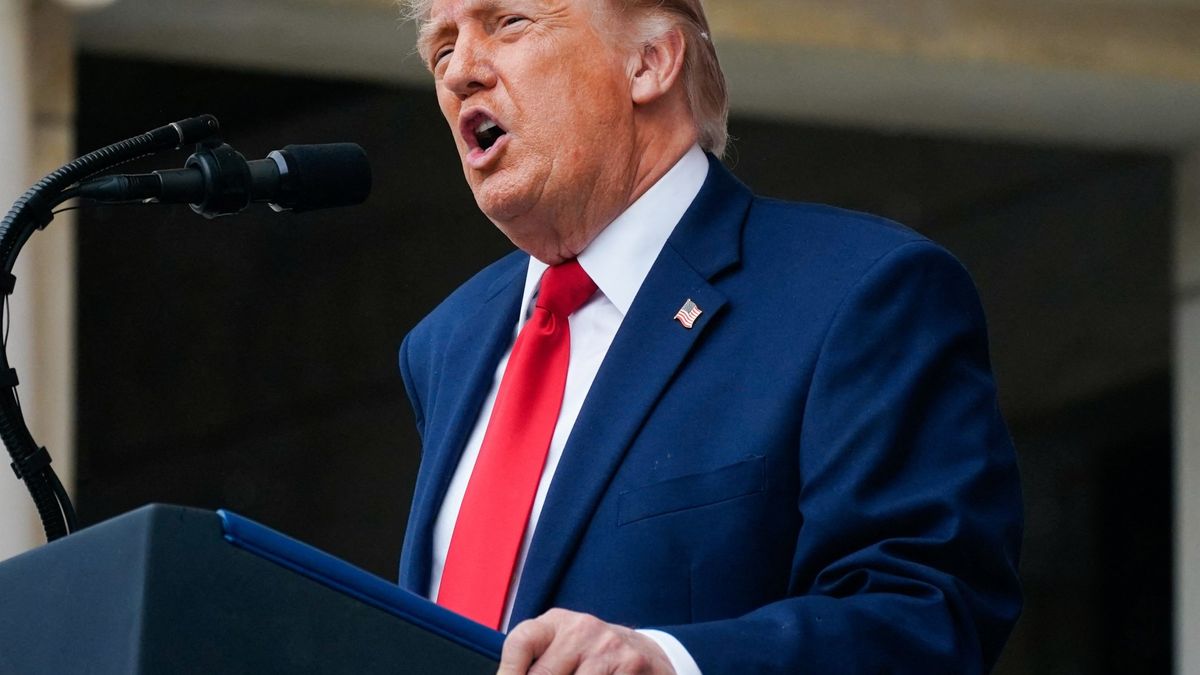
On day 95 of an ongoing regional conflict, United States President Donald Trump announced a significant diplomatic effort to halt hostilities between Israel and Hezbollah in Lebanon. Speaking on Monday, June 2, 2026, President Trump claimed to have secured commitments from both parties to cease fighting, portraying this as a crucial breakthrough to prevent a wider Israeli offensive towards Beirut and keep broader regional negotiations on track. This intervention followed Israeli Prime Minister Benjamin Netanyahu's order for attacks on the southern suburbs of Beirut, which his office stated would proceed if Hezbollah continued its assaults on Israeli cities, while military operations in southern Lebanon were to continue as "planned."
Despite Washington's optimistic framing, the situation on the ground remains highly volatile. Al Jazeera correspondent Kimberly Halkett highlighted a significant disparity between US optimism and Israel's rhetoric, suggesting the fragile progress is vulnerable to rapid collapse. Indeed, Israeli air attacks were reported in southern Lebanon overnight and into the early morning, with two individuals injured in Tyre. Concurrently, Hezbollah claimed to have carried out 41 operations on Monday, including rocket and drone attacks on Israeli troop concentrations, military sites, and air defense systems, alongside ambushes and clashes with Israeli forces in southern Lebanon. Hezbollah asserted these actions were in response to continued assaults on civilians and perceived breaches of the ceasefire agreement.
Israel's actions appear driven by a dual objective: to counter Hezbollah's military capabilities and to achieve tangible strategic gains amidst growing international pressure. Security analyst Andreas Krieg noted that while Israel has achieved some tactical successes, it has yet to secure significant strategic advantages, making Prime Minister Netanyahu eager to demonstrate progress before any US-backed halt to military operations. This strategic imperative is further complicated by internal political dynamics within Israel. National Security Minister Itamar Ben-Gvir publicly criticized Trump's push for a halt to planned attacks on Beirut's southern suburbs, urging Netanyahu to defy US pressure and continue military operations against Hezbollah. This dissent underscores the challenges the US faces in coordinating its diplomatic efforts with a sovereign ally pursuing its own security objectives.
Iran has emerged as a pivotal actor in this complex diplomatic landscape, explicitly linking the Lebanon conflict to its broader negotiations with the United States. Iran's Foreign Minister Abbas Araghchi stated on Monday that the ceasefire between Tehran and Washington applies across the region, including Lebanon, warning that any violation would undermine the broader agreement and carry consequences for the US and Israel. Furthermore, Tehran's chief negotiator, Mohammad Bagher Ghalibaf, warned that Iran could halt negotiations with the US if Israel's military campaign in Lebanon continues. This demonstrates Iran's strategic use of its influence over proxy groups like Hezbollah to exert leverage in wider diplomatic engagements, effectively making the stability of Lebanon a condition for progress in US-Iran talks.
The US administration's diplomatic push is also influenced by domestic political considerations. Senate Minority Leader Chuck Schumer criticized President Trump's handling of the conflict, arguing that prolonging the war endangers US troops and exacerbates economic pressure on Americans through higher fuel prices. He pledged continued Democratic efforts to resolve the conflict. Similarly, US Congresswoman Ilhan Omar called for an immediate halt to US military assistance to Israel, accusing Israel of committing atrocities and replicating tactics used in Gaza in Lebanon. These domestic voices highlight the internal divisions within the US regarding its foreign policy in the Middle East and the costs associated with prolonged regional conflicts.
The unfolding situation in Lebanon, therefore, represents a critical juncture in Middle East geopolitics. The claimed truce, while a diplomatic achievement, remains highly fragile due to ongoing military actions, divergent interpretations of agreements, and the complex interplay of regional and international actors' interests. The potential for a wider escalation, drawing in more regional powers and further destabilizing an already volatile region, remains a significant concern. The US's ability to maintain its role as a credible mediator, while navigating the demands of its allies and adversaries, will be severely tested in the coming days.
Source referenced: ALJAZEERA
This brief was synthesized by our Editorial Engine and reviewed by The Ground Narrative team.