TRENDING

Thursday, 15 October 2026
----------------------
4 Jumada Al-Awwal 1448 AH
The European Union has formally approved a comprehensive package of reforms to air passenger rights, set to take effect in mid-2027. This move underscores the EU's robust regulatory power and its commitment to consumer protection, with significant implications for airlines and the broader international travel industry.
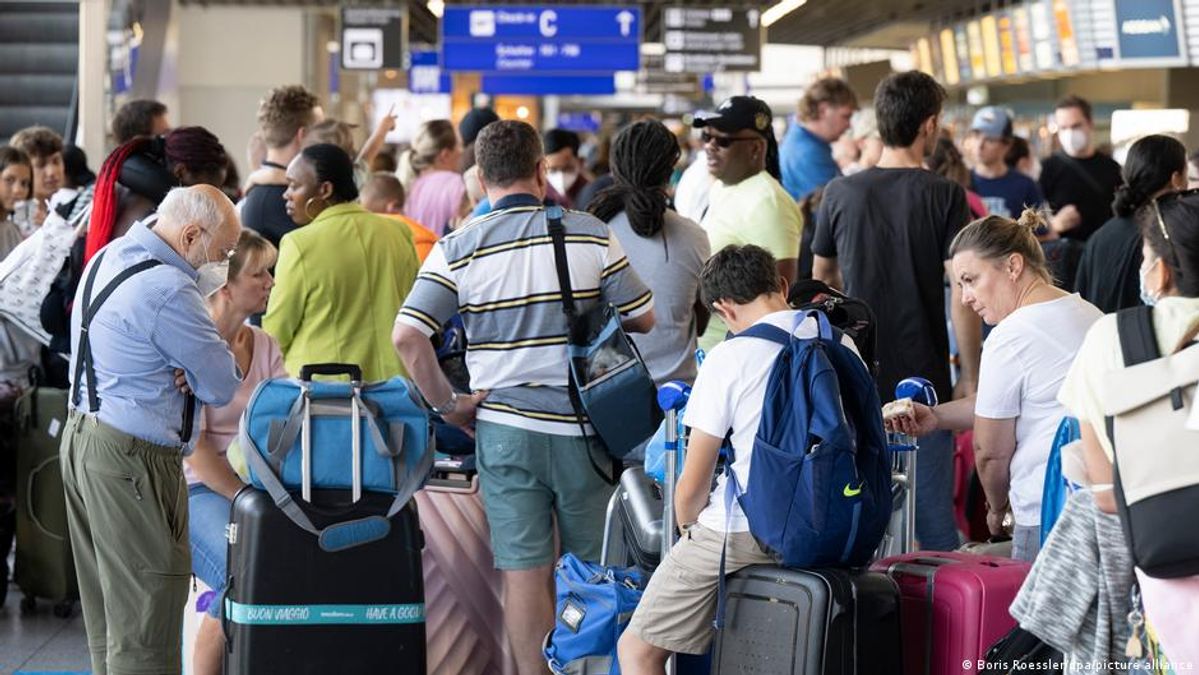
On Monday, the Council of the European Union formally approved a significant package of reforms aimed at enhancing air passenger rights across the bloc. This legislative action, which had previously received the green light from the European Parliament, represents a concerted effort by the EU to standardize and strengthen consumer protections for air travelers. The new regulations are slated to come into force in mid-2027, providing a substantial lead time for airlines and related entities to adapt to the updated framework.
These reforms will apply to all departures from airports within the EU and to arrivals if the flight is operated by an EU-based airline. The scope of these changes is broad, addressing various aspects of the air travel experience, from booking and seating to flight disruptions and compensation claims. Key provisions include the right for children under 14 to sit next to their parents without additional seat reservation fees, a similar provision for pregnant individuals and those with reduced mobility to sit with a travel companion, and the obligation for airlines to correct minor spelling errors on tickets free of charge. Furthermore, airlines will be required to provide printed boarding passes without extra cost, and all fares displayed by airlines, intermediaries, and booking platforms must include cabin baggage by default, facilitating clearer price comparisons for consumers. Passengers who miss an outbound flight will retain the right to take their return flight without penalty, and those involuntarily downgraded will receive automatic refunds.
This legislative package extends beyond mere consumer convenience; it carries significant geopolitical and economic implications. The EU's ability to enact such comprehensive and far-reaching regulations demonstrates its substantial regulatory power on the global stage. By setting high standards for passenger rights, the EU reinforces its role as a leading proponent of consumer welfare, a core tenet of its internal market and social model. This move can be seen as an exercise of soft power, where the EU's internal policies can influence international norms and practices, potentially prompting other jurisdictions to consider similar protections or compelling global airlines to adopt these standards across their operations for consistency.
Economically, the reforms will undoubtedly impact airlines operating within or to/from the EU. While enhancing passenger confidence and potentially stimulating travel demand, the new obligations will also introduce additional operational costs and administrative burdens for carriers. Requirements such as free seat assignments for specific passenger groups, free name corrections, and automatic refunds for downgrades will necessitate adjustments to pricing strategies and operational procedures. This could lead to a re-evaluation of business models, potentially favoring larger airlines with greater capacity to absorb these costs or fostering consolidation within the industry. The mandate for transparent fare display, including cabin baggage, aims to foster fairer competition and prevent hidden fees, which could reshape how airlines market their services.
While the core rules for passenger compensation in cases of delayed or canceled flights remain largely consistent—entitling passengers to refunds if a flight is at least three hours late and the airline is at fault—the reforms significantly clarify the process for making claims and the support passengers are entitled to during disruptions. Airlines will not be held responsible for incidents stemming from unruly passengers, adverse weather, natural disasters, or strikes by airport or ground-handling staff. However, for disruptions where the airline *is* at fault, passengers will now receive written information on their rights within 96 hours of their journey's end and will have nine months to file a claim. Airlines, in turn, must pay compensation or provide a clear refusal within 30 calendar days.
Crucially, the package also codifies the immediate entitlements of passengers during travel disruptions: refreshments after two hours, a meal after three hours, and subsequent meals every five hours (up to three per day). If necessary, free hotel accommodation and transport to and from the lodgings must also be provided. These clearer guidelines aim to reduce ambiguity and improve the passenger experience during unforeseen events, fostering greater accountability from airlines.
The implementation date of mid-2027 provides a critical window for airlines, booking platforms, and national authorities to prepare for the new regime. This period will involve significant adjustments to IT systems, training for staff, and updates to terms and conditions. The success of these reforms will ultimately depend on robust enforcement mechanisms across the diverse legal and operational landscapes of the 27 EU member states. The EU's proactive approach to consumer protection in air travel sets a precedent, demonstrating its commitment to balancing the interests of its citizens with the operational realities of a vital global industry. As these rules take effect, they are expected to solidify the EU's position as a leader in consumer-centric regulation, potentially influencing the trajectory of air travel policy worldwide.
Source referenced: DW
This brief was synthesized by our Editorial Engine and reviewed by The Ground Narrative team.