TRENDING

Friday, 16 October 2026
----------------------
5 Jumada Al-Awwal 1448 AH
The European Union has approved new passenger rights for air travel, granting additional protections to passengers, including seat reservations, compensation for flight disruptions, and clearer rules on flight delays.
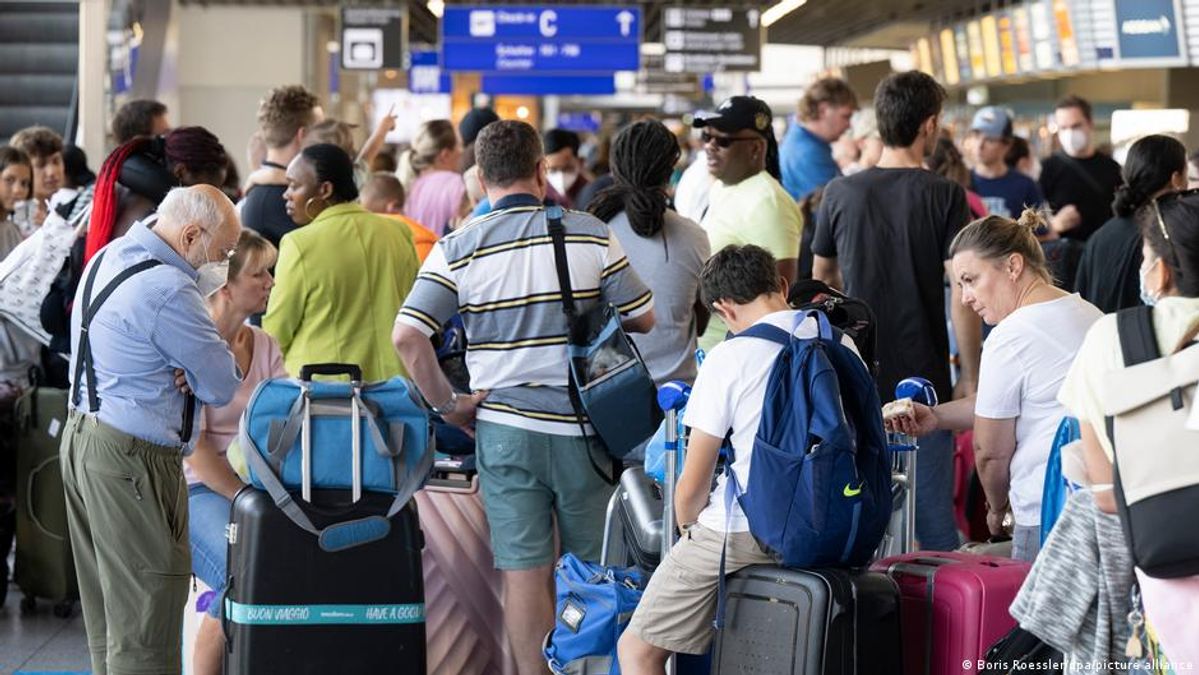
The European Union's (EU) approval of new passenger rights for air travel marks a significant shift in the bloc's approach to aviation regulation. The reforms, which will come into effect in mid-2027, aim to enhance passenger protection, improve air travel experiences, and promote a more competitive and consumer-friendly aviation market.
The EU's decision to strengthen passenger rights is driven by several strategic motivations. Firstly, the bloc seeks to enhance its reputation as a consumer-friendly and people-centric region. By prioritizing passenger rights, the EU aims to demonstrate its commitment to protecting the interests of its citizens and promoting a more equitable and transparent air travel experience.
Secondly, the reforms are designed to address the growing concerns of passengers regarding flight disruptions, delays, and cancellations. The EU's decision to clarify rules on flight disruptions and introduce new compensation mechanisms is a response to the increasing number of passenger complaints and the need for greater accountability among airlines.
The EU's passenger rights reforms build on the existing EU Air Passenger Rights Regulation (EC) No 261/2004, which established the framework for passenger compensation and assistance in the event of flight disruptions. However, the new reforms go beyond the existing regulation by introducing additional protections, such as seat reservations and clearer rules on flight delays.
The EU's passenger rights reforms will have significant regional implications, particularly for airlines operating within the bloc. The introduction of new compensation mechanisms and clearer rules on flight disruptions will require airlines to adapt their business models and operational practices to ensure compliance with the new regulations.
The reforms will also impact the aviation industry as a whole, as airlines and airports will need to invest in new technologies and infrastructure to support the enhanced passenger experience. The EU's decision to prioritize passenger rights will also create new opportunities for airlines and airports to differentiate themselves and compete on the basis of service quality and passenger experience.
The EU's passenger rights reforms will have far-reaching consequences for the aviation industry and the traveling public. The introduction of new compensation mechanisms and clearer rules on flight disruptions will lead to increased accountability among airlines and a more transparent air travel experience.
The reforms will also promote a more competitive and consumer-friendly aviation market, as airlines and airports will need to invest in new technologies and infrastructure to support the enhanced passenger experience. The EU's decision to prioritize passenger rights will also create new opportunities for airlines and airports to differentiate themselves and compete on the basis of service quality and passenger experience.
The EU's passenger rights reforms mark a significant shift in the bloc's approach to aviation regulation. The reforms aim to enhance passenger protection, improve air travel experiences, and promote a more competitive and consumer-friendly aviation market. The introduction of new compensation mechanisms and clearer rules on flight disruptions will lead to increased accountability among airlines and a more transparent air travel experience.
The EU's decision to prioritize passenger rights will also create new opportunities for airlines and airports to differentiate themselves and compete on the basis of service quality and passenger experience. As the aviation industry continues to evolve, the EU's passenger rights reforms will play a critical role in shaping the future of air travel and promoting a more consumer-friendly and people-centric region.
Editor's Note: The analysis is based on publicly available information and is subject to change as new information becomes available.
Source referenced: DW
This brief was synthesized by our Editorial Engine and reviewed by The Ground Narrative team.