TRENDING

Friday, 16 October 2026
----------------------
5 Jumada Al-Awwal 1448 AH
The renewed US-Iran war is having a devastating impact on Gulf countries, with many facing direct attacks and increased tensions. As the conflict escalates, regional powers are pushing for peace, but the situation remains precarious.
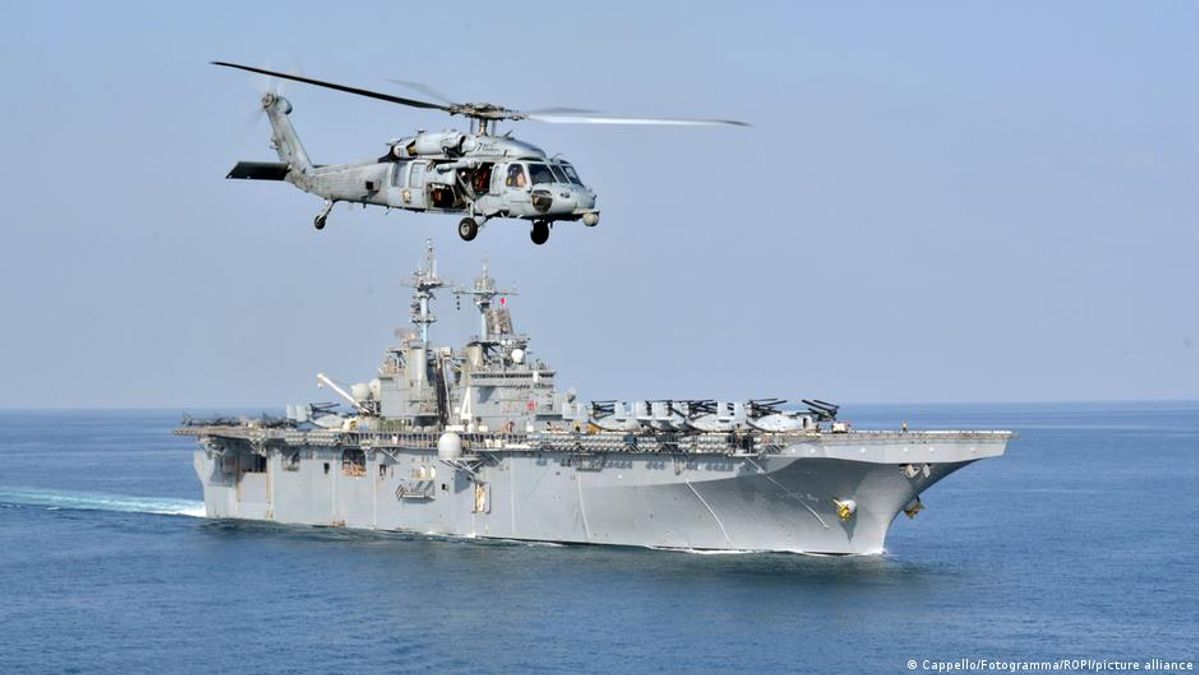
The US-Iran conflict has been ongoing for months, with both sides accusing each other of not adhering to a memorandum of understanding signed in June. The latest round of fighting began in late February, with the US and Israel attacking Iran, followed by Iranian strikes on US allies in the Middle East.
The Gulf region is caught in the middle of this conflict, with many countries facing direct attacks and increased tensions. Bahrain, home to a major US Navy base, has been hit directly by Iranian strikes, while Kuwait, which hosts the largest number of US bases in the Middle East, has been a target for Iranian attacks.
Saudi Arabia, a key player in the region, has stressed the importance of diplomacy in resolving the conflict. The country has spoken directly with the Iranians and the Americans, and has even denied the US the use of its airspace to bomb Iran. However, reports suggest that Saudi Arabia has carried out its own unpublicized strikes on Iran.
The conflict is having a devastating impact on the economies of Gulf countries. The Strait of Hormuz, a critical waterway for oil exports, has been blocked by Iran, causing Saudi Arabia to divert some of its oil exports to another pipeline. This has resulted in significant economic losses for the country.
The United Arab Emirates, which hosts an important US air base, is also at risk of further damaging its reputation as a financial and commercial hub. The country has been able to divert some of its oil exports via an inland pipeline, but prolonged conflict could disrupt this.
Regional powers are pushing for peace, with representatives from Gulf states meeting in Pakistan to discuss ending the month-long war. However, the situation remains precarious, with fighting continuing and reports of US ground troops increasing.
The US-Iran conflict is having a devastating impact on Gulf countries, with many facing direct attacks and increased tensions. As the conflict escalates, regional powers are pushing for peace, but the situation remains precarious. The economic consequences of the conflict are significant, and the region is at risk of further destabilization.
Editor's Note: The analysis is based on publicly available information and may not reflect the full complexity of the situation.
Source referenced: DW
This brief was synthesized by our Editorial Engine and reviewed by The Ground Narrative team.