TRENDING

Friday, 16 October 2026
----------------------
5 Jumada Al-Awwal 1448 AH
Israel's coalition head, Ofir Katz, has confirmed that the national election will be held on October 27, marking the country's first election since Hamas' 2023 attack and the subsequent wars in Gaza, Lebanon, and Iran. The election's timing and outcome will have significant implications for Prime Minister Benjamin Netanyahu's security credentials and the regional balance of power.
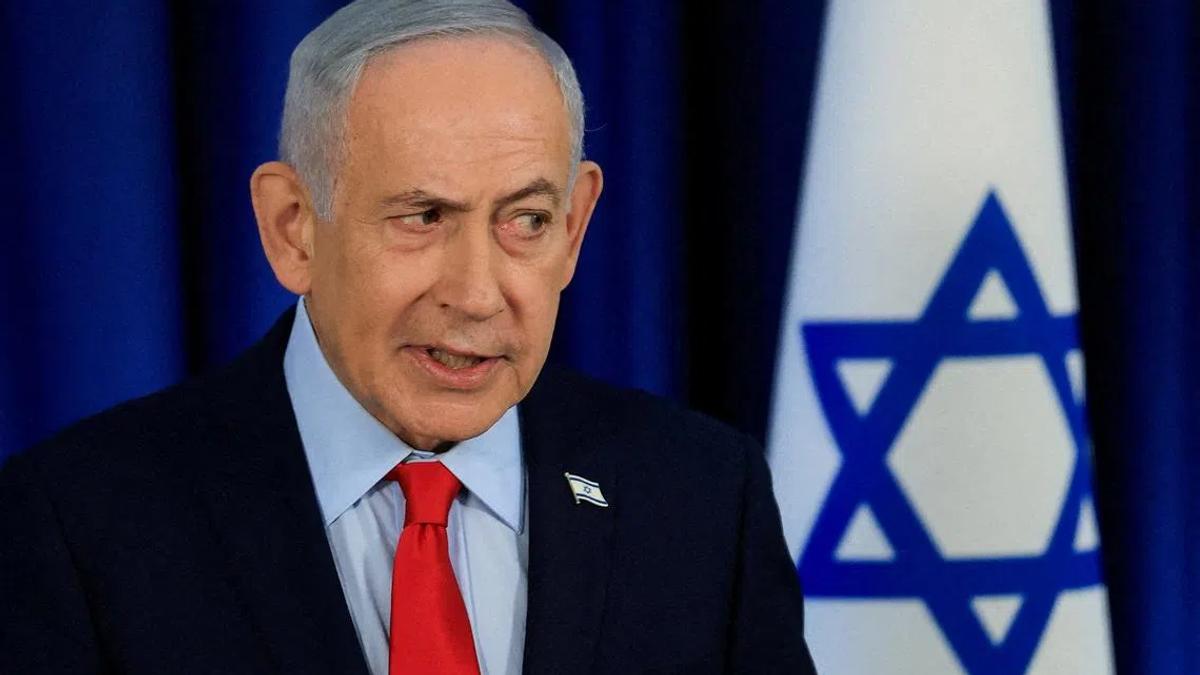
Israel's coalition head, Ofir Katz, has confirmed that the national election will be held on October 27, marking the country's first election since Hamas' 2023 attack and the subsequent wars in Gaza, Lebanon, and Iran. The election's timing and outcome will have significant implications for Prime Minister Benjamin Netanyahu's security credentials and the regional balance of power.
Less than a year after a 2022 political comeback at the head of Israel's most right-wing government to date, Netanyahu's security credentials were left in tatters by Hamas' surprise attack on October 7, 2023. The attack led to a series of wars in Gaza, Lebanon, and Iran, which have had a profound impact on Netanyahu's popularity and the country's security landscape.
Polls show many are unhappy with Netanyahu over the outcome of the Iran war. The war has had far-reaching consequences for the region, including the strengthening of Iran's position in the Middle East and the exacerbation of sectarian tensions between Sunni and Shia Muslims. The war has also led to a significant increase in anti-Israel sentiment in the region, which will likely have a negative impact on Netanyahu's chances in the upcoming election.
Netanyahu is Israel's longest-serving leader and has proven himself an unmatched political survivor. However, his security credentials have been severely damaged by the Iran war, and his chances of winning the upcoming election are uncertain. To regain power, Netanyahu will likely focus on his security credentials and his ability to protect Israel from external threats. He may also attempt to shift the focus away from his government's handling of the Iran war and towards other issues, such as the economy and social welfare.
The outcome of the election will have significant implications for regional stability and the balance of power in the Middle East. If Netanyahu's coalition loses the election, it could lead to a significant shift in Israel's foreign policy and a decrease in tensions with Iran. On the other hand, if Netanyahu's coalition wins the election, it could lead to a continuation of the current security policies and an increase in tensions with Iran.
The upcoming election in Israel will be a critical moment in the country's history, with significant implications for Netanyahu's security credentials and the regional balance of power. The election's outcome will depend on a variety of factors, including the performance of Netanyahu's coalition and the ability of his opponents to capitalize on his government's weaknesses. Regardless of the outcome, the election will have far-reaching consequences for the region and will likely lead to significant changes in Israel's foreign policy and security landscape.
Source referenced: STRAITSTIMES
This brief was synthesized by our Editorial Engine and reviewed by The Ground Narrative team.