TRENDING

Friday, 16 October 2026
----------------------
5 Jumada Al-Awwal 1448 AH
A dispute has emerged in Spain regarding the adequacy of official warnings during recent wildfires that claimed 12 lives, including a Belgian national. The incident highlights critical challenges in emergency communication and disaster preparedness amidst escalating climate-related crises.
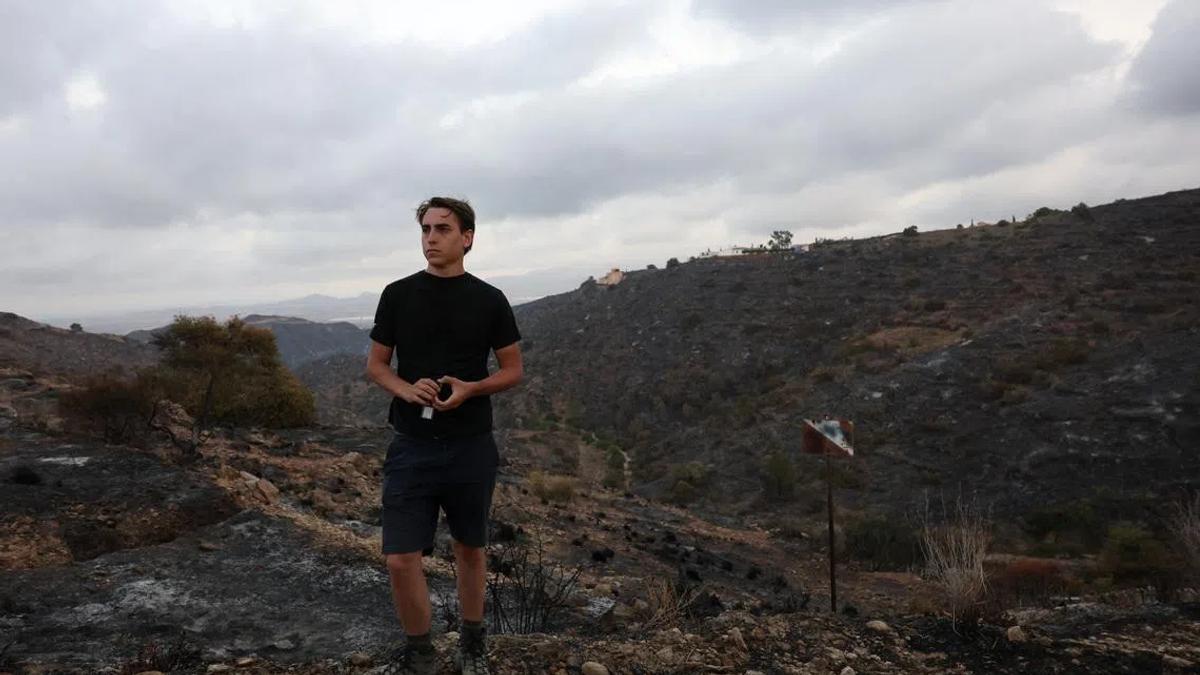
Recent devastating wildfires in Spain's southeastern Almeria province have not only claimed 12 lives but have also ignited a significant public debate regarding the efficacy and clarity of emergency response protocols. The tragic incident, which occurred on Thursday, July 10, 2026, near the mountain village of Bedar, saw a group of residents, predominantly foreign nationals, perish while attempting to flee the rapidly advancing flames. At the heart of the controversy is the starkly contrasting accounts from Spanish authorities and the family of one of the victims concerning the warnings issued to those in harm's way.
Thomas-Wolf Verdonckt, son of 63-year-old Belgian businessman Stanislas Verdonckt, who was among the deceased, has publicly disputed official claims that victims ignored advice to shelter in place. According to Verdonckt, who spoke with his father shortly before his death and later with surviving neighbors, no clear instructions or warnings were provided by emergency services. He asserts that residents were left to their own devices, only attempting to flee when the fire was imminently upon them, making escape routes impassable. This account directly contradicts statements from local officials, including Bedar Mayor Angel Collado, and the Spanish Civil Guard, who maintain that door-to-door warnings and telephone calls were made, advising residents on evacuation or sheltering based on the fire's progression.
The wildfires, fanned by strong winds, trapped residents in areas like Paraje el Curato on the outskirts of Bedar. Stanislas Verdonckt, a long-time resident familiar with the terrain and fluent in Spanish, reportedly debated his options with his son in their final conversation, indicating a lack of clear guidance. The group's initial attempt to escape via a paved road was thwarted by flames, forcing them onto a dead-end dirt lane before they abandoned their vehicles and tried to flee on foot into a valley. This desperate sequence of events underscores the critical importance of timely, accurate, and actionable information during rapidly evolving natural disasters.
This incident transcends a mere local tragedy; it illuminates broader systemic challenges faced by nations grappling with the increasing frequency and intensity of climate-driven events. Southern Europe, in particular, has become a hotspot for severe wildfires, posing significant threats to human life, infrastructure, and ecosystems. The effectiveness of national and regional emergency response systems, including communication infrastructure, evacuation planning, and public awareness campaigns, is under intense scrutiny. When such systems fail, or are perceived to fail, public trust erodes, and the vulnerability of communities, especially those with a significant international resident population, becomes acutely apparent.
The dispute over warnings in Almeria carries significant implications beyond the immediate loss of life. It raises fundamental questions about accountability in disaster management and the need for robust, transparent communication strategies. For countries like Spain, which host large expatriate communities and rely heavily on tourism, ensuring the safety and clear communication with all residents, regardless of nationality, is paramount. The death of a Belgian national in this context could prompt diplomatic inquiries and certainly impacts the perception of safety for international residents in the region.
From a geopolitical perspective, while this specific incident is localized, it contributes to a growing global narrative of climate change impacts challenging national resilience and governance. As extreme weather events become more common, the capacity of states to protect their populations and manage large-scale emergencies will increasingly define their stability and international standing. The need for international cooperation in disaster preparedness, early warning systems, and shared best practices becomes more urgent. This event serves as a stark reminder that effective emergency response is not just a logistical challenge but a critical component of public safety and national security in an era of accelerating climate change.
Moving forward, a thorough and transparent investigation into the communication failures alleged by victims' families will be crucial. Such an inquiry could inform significant reforms in Spain's emergency protocols, potentially influencing disaster management strategies across other European nations facing similar climate threats. The incident underscores the imperative for authorities to not only have plans in place but to ensure these plans are effectively communicated and executable by all segments of the population, especially when lives hang in the balance.
Editor's Note: The article's primary focus is a local tragedy and a dispute over emergency warnings. While not a traditional geopolitical event, the analysis frames it within the broader context of climate change impacts, national resilience, public-interest crises, and the challenges of emergency management for international residents, aligning with the prompt's allowance for 'Public-interest crises' and 'Climate policy' implications.
Source referenced: STRAITSTIMES
This brief was synthesized by our Editorial Engine and reviewed by The Ground Narrative team.