TRENDING

Friday, 16 October 2026
----------------------
5 Jumada Al-Awwal 1448 AH
The 2026 NATO summit's uneventful outcome masks a deeper crisis: the alliance's structural weaknesses and the erosion of trans-Atlantic solidarity.
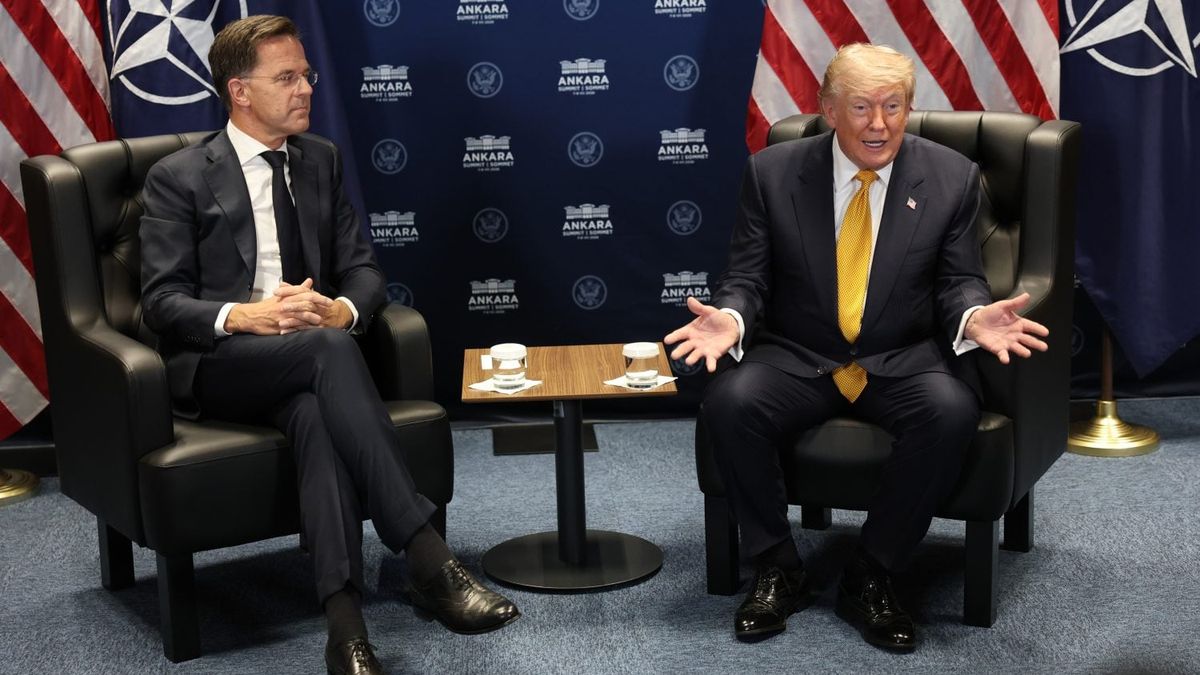
The 2026 NATO summit in Ankara, Turkey, has come and gone, leaving behind a sense of relief that the alliance's strongest member, the United States, did not withdraw. However, this outcome should not be misinterpreted as a sign of strategic alignment or shared values among NATO members. In reality, the summit only kicked the can down the road, delaying the inevitable reckoning with the alliance's structural weaknesses.
The rise of China has been a significant factor in the erosion of trans-Atlantic solidarity. As China has emerged as a peer competitor to the United States, the latter's strategic attention has shifted away from Europe and toward Asia. This shift has left Europe to fend for itself, with many of its members questioning the value of NATO in the face of a perceived decline in U.S. commitment.
NATO's core problem is structural. Military alliances are not ends in themselves but rather a means by which states seek to make themselves more secure in the face of a common threat. However, the threat environment has changed since NATO's formation in 1949. Russia is no longer a global superpower, and concerns about its hegemonic threat to Europe are exaggerated. The glue binding Europe and the United States together was eroding long before Trump got into politics.
Given the above, it has been obvious that NATO needed a new division of labor, with its European members gradually assuming primary responsibility for their own defense and Washington focusing more resources and attention on Asia. This shift would have occurred over a decade or so and without rancor, with the United States helping its allies to rebuild their own forces and working with them to adapt to changing battlefield requirements.
Unfortunately, the possibility of a smooth and amicable adjustment was precluded when Trump got reelected in 2024 and then adopted an explicitly predatory approach toward the United States' European allies. Trump's disdain for Europe has a long history, as evidenced by his false claims that the European Union was created to "screw the United States" and by his contemptuous treatment of European officials.
European leaders now view Trump as someone to be taken neither literally nor seriously. They understand that he will play to the cameras and go off on unhinged rants from time to time but ignore his bluster while reducing dependence on the United States. This approach is the smart response, as it allows them to gain the time and U.S. weaponry they need to mount an adequate defense capability.
The 2026 NATO summit's uneventful outcome masks a deeper crisis: the alliance's structural weaknesses and the erosion of trans-Atlantic solidarity. The main purpose of the summit was to be as uneventful as possible, and mission accomplished. However, don't mistake it for evidence of NATO's robust good health. This post is part of FP's ongoing coverage of the Trump administration.
Editor's Note: The analysis is based on the author's expertise and available information, but some aspects of the future consequences of NATO's crisis are uncertain.
Source referenced: FOREIGNPOLICY
This brief was synthesized by our Editorial Engine and reviewed by The Ground Narrative team.