TRENDING

Saturday, 24 October 2026
----------------------
13 Jumada Al-Awwal 1448 AH
Israel's military strikes in western and central Iran mark a significant escalation in the Middle East conflict, with implications for regional stability and global security.
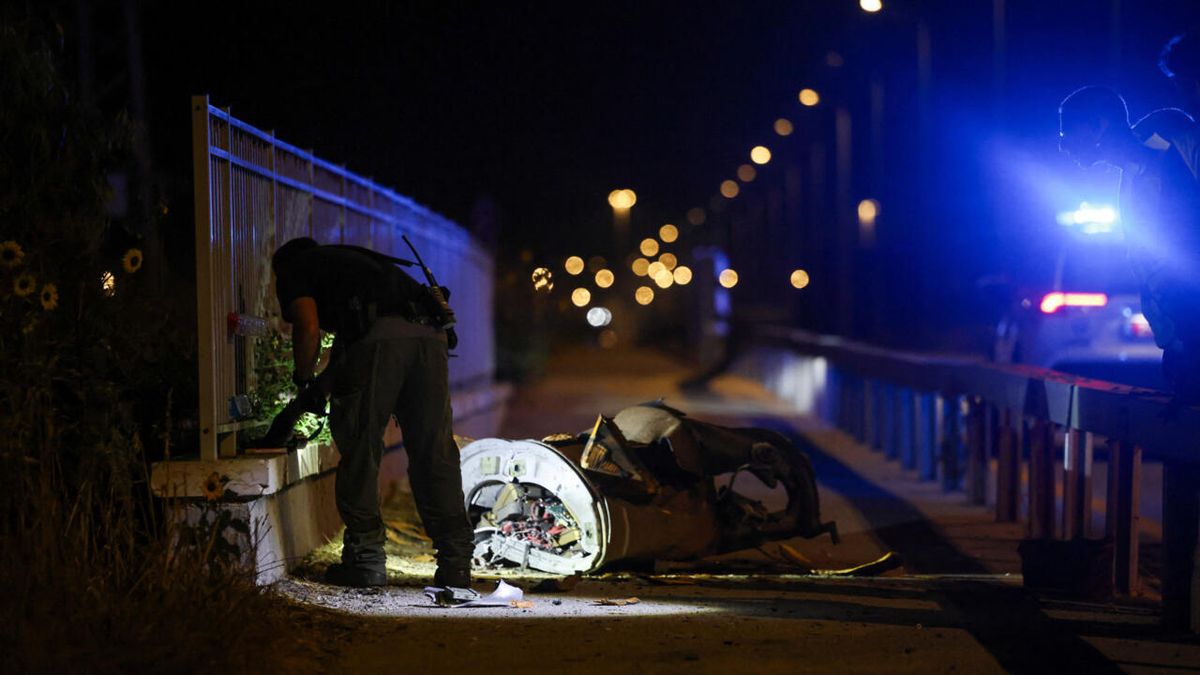
The Israeli military's strikes against military targets in western and central Iran on June 8, 2026, mark a significant escalation in the ongoing conflict in the Middle East. The strikes, which came hours after Iran fired a salvo of missiles at Israeli targets in retaliation for an attack on Beirut's southern suburbs, have raised concerns about the potential for further escalation and the impact on regional stability.
The current conflict in the Middle East is a complex and multifaceted issue, with roots dating back to the 1979 Iranian Revolution. The relationship between Iran and Israel has been tense for decades, with Iran's nuclear program and support for militant groups in the region being major points of contention. The conflict has escalated in recent months, with Iran launching ballistic missiles at Bahrain and Kuwait in response to the US hitting its radar sites.
Israel's military strikes against Iran are likely motivated by a desire to disrupt Iran's military capabilities and deter further aggression. The Israeli military has vowed to press ahead with its military campaign in Lebanon and step up operations against Hezbollah, which has been a key player in the conflict. Iran, on the other hand, is likely seeking to assert its dominance in the region and demonstrate its military capabilities.
The conflict in the Middle East has significant implications for regional stability and global security. The escalation of tensions between Israel and Iran could lead to a wider conflict, drawing in other regional actors and potentially destabilizing the entire region. The conflict also has implications for global energy markets, with the Middle East being a major producer of oil and natural gas.
The consequences of the conflict in the Middle East are difficult to predict, but it is clear that the situation is highly volatile and potentially explosive. The escalation of tensions between Israel and Iran could lead to a wider conflict, with significant consequences for regional stability and global security. The international community must remain vigilant and work to prevent further escalation and promote a peaceful resolution to the conflict.
* Israel: The Israeli military has vowed to press ahead with its military campaign in Lebanon and step up operations against Hezbollah.
* Iran: Iran is likely seeking to assert its dominance in the region and demonstrate its military capabilities.
* Hezbollah: Hezbollah has been a key player in the conflict and has been targeted by Israeli military strikes.
* US: The US has been involved in the conflict, with the US hitting Iran's radar sites and launching airstrikes against Iranian targets.
* June 7, 2026: Iran launches ballistic missiles at Bahrain and Kuwait in response to the US hitting its radar sites.
* June 8, 2026: Israel conducts strikes against military targets in western and central Iran.
* June 8, 2026: Iran's Revolutionary Guards target 'terrorist groups' in Iraqi Kurdistan.
Source referenced: FRANCE24
This brief was synthesized by our Editorial Engine and reviewed by The Ground Narrative team.