TRENDING

Thursday, 15 October 2026
----------------------
4 Jumada Al-Awwal 1448 AH
The ongoing conflict between Israel and Lebanon, despite a US-brokered truce, has raised concerns about the stability of the region and the potential for further escalation.
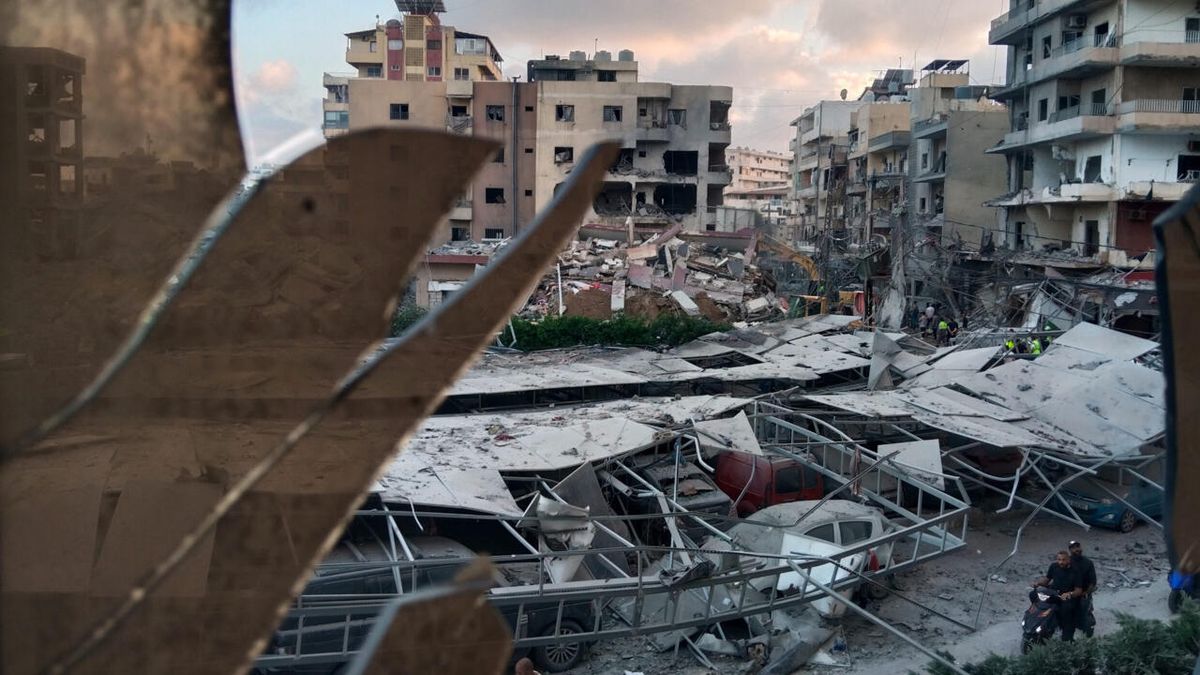
The recent conflict between Israel and Lebanon, despite a US-brokered truce, has reignited tensions in the Middle East. The situation is complex, with multiple actors involved, including Iran, the US, and various regional powers. This analysis will examine the strategic motivations behind the conflict, the historical context, and the regional implications.
The conflict between Israel and Lebanon is not new, but the recent escalation has raised concerns about the stability of the region. The Israeli military has intercepted projectiles launched from Lebanon into northern Israel, despite a US announcement that fighting would end. The US has been trying to broker a peace deal between Israel and Iran, but the situation remains precarious.
The conflict between Israel and Lebanon is driven by a complex set of strategic motivations. Israel is concerned about the presence of Iranian-backed Hezbollah in Lebanon, which it sees as a threat to its national security. Iran, on the other hand, is seeking to expand its influence in the region and counterbalance Israeli and US power.
The conflict between Israel and Lebanon has a long history, dating back to the 1982 Israeli invasion of Lebanon. Since then, there have been numerous conflicts and ceasefires, but the situation remains volatile. The US has been involved in the region for decades, providing military aid to Israel and attempting to broker peace deals.
The conflict between Israel and Lebanon has significant regional implications. The situation in Lebanon is precarious, with the country facing economic and social challenges. The conflict has also raised concerns about the stability of the region, with the potential for further escalation.
The future consequences of the conflict between Israel and Lebanon are uncertain. The situation remains volatile, with multiple actors involved and competing interests. The US will likely continue to play a key role in the region, attempting to broker a peace deal between Israel and Iran. However, the situation remains precarious, and further escalation is possible.
The conflict between Israel and Lebanon is a complex and multifaceted issue, driven by strategic motivations, historical context, and regional implications. The situation remains volatile, with multiple actors involved and competing interests. The US will likely continue to play a key role in the region, attempting to broker a peace deal between Israel and Iran. However, the situation remains precarious, and further escalation is possible.
Source referenced: FRANCE24
This brief was synthesized by our Editorial Engine and reviewed by The Ground Narrative team.


