TRENDING

Wednesday, 14 October 2026
----------------------
3 Jumada Al-Awwal 1448 AH
The Democratic Republic of Congo faces its 17th Ebola outbreak, exacerbated by a new untreatable strain, pervasive conflict, a fragile healthcare system, and international aid shortfalls. This crisis poses significant threats to regional stability and global health security, demanding urgent, coordinated international action.
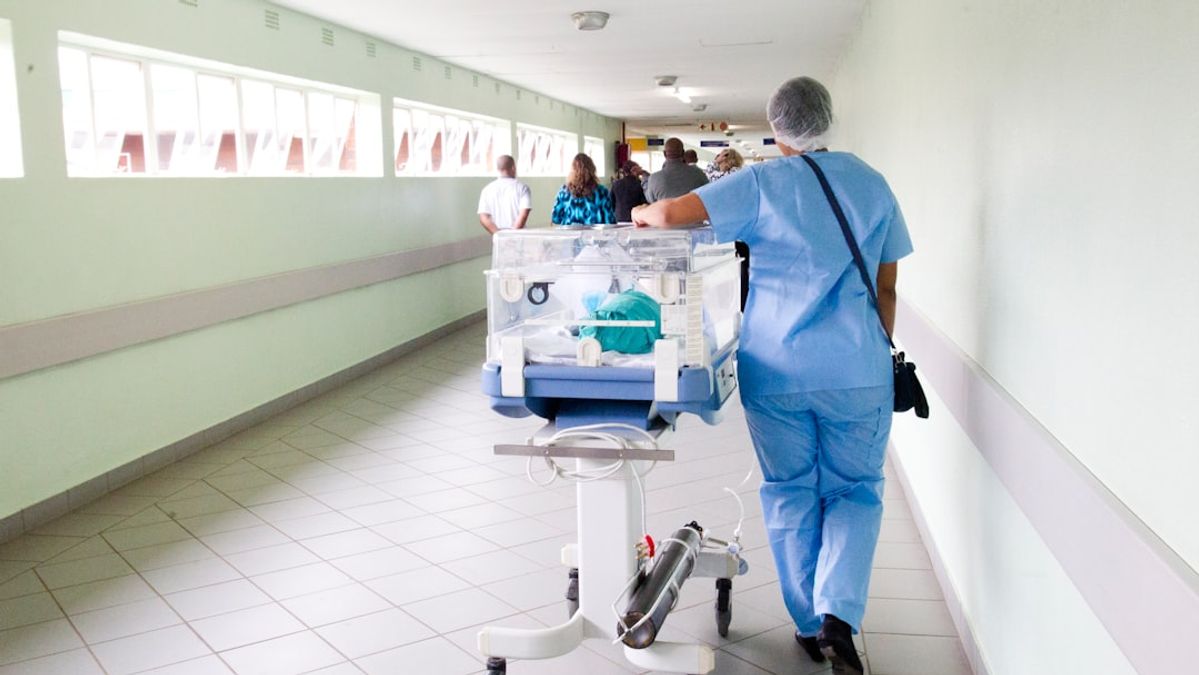
The Democratic Republic of Congo (DRC) is grappling with its 17th outbreak of the Ebola virus, a crisis that extends far beyond public health, intertwining with deep-seated geopolitical, security, and humanitarian challenges. Reported on May 23, 2026, the rapid spread of a new, untreatable strain of Ebola, identified as Bundibugyo, in the eastern provinces, particularly Ituri, has overwhelmed an already fragile healthcare system and triggered urgent calls for international intervention. This resurgence highlights critical vulnerabilities in global health security, regional stability, and the efficacy of international aid mechanisms.
The current outbreak, which saw its first known victim die on April 24 in Bunia, Ituri province, has quickly escalated, with nearly 750 suspected cases and 177 suspected deaths recorded by late May 2026. Aid organizations like Mercy Corps, Alima, and Médecins Sans Frontières (MSF) have issued dire warnings, noting that the virus is spreading with alarming speed and that healthcare facilities in affected areas, including Bunia’s Salama hospital, are completely saturated with suspected cases. The situation is further complicated by the late detection of cases, with some individuals believed to have contracted the virus as early as March 27, and initial symptoms often mistaken for common illnesses like malaria, allowing the disease to spread unnoticed.
Several critical factors are impeding effective containment efforts, creating a complex humanitarian and security crisis.
Firstly, the fragile state of the DRC's healthcare infrastructure is a primary vulnerability. Decades of underinvestment, coupled with ongoing conflict, have left health facilities damaged or destroyed, and led to significant staff departures, particularly in North and South Kivu provinces where cases have also been reported. The lack of available isolation wards and basic medical resources severely hampers the ability to manage and treat patients effectively.
Secondly, the pervasive insecurity and conflict in eastern DRC present a formidable barrier. The region is plagued by the activities of armed groups, notably the Allied Democratic Forces (ADF), a militant group operating across eastern DRC and parts of Uganda. Recent attacks, such as the killing of 17 people near Mambasa in Ituri, underscore the “double war” faced by communities – battling both armed violence and disease. This insecurity restricts humanitarian access, displaces populations, and erodes public trust in authorities, making disease surveillance and response extremely challenging.
Thirdly, deeply ingrained cultural norms and practices pose significant obstacles. Traditional burial customs, which often involve washing and touching the bodies of the deceased, are a major driver of Ebola transmission, as the virus remains highly contagious in cadavers. Despite efforts by authorities to enforce safe burial protocols, community resistance, exemplified by the burning of a treatment center in Rwampara after authorities refused to release a victim's body, highlights the profound disconnect between public health imperatives and local traditions. Similarly, a strong culture of physical contact, such as handshaking, further complicates efforts to promote social distancing and hygiene.
Finally, international aid shortfalls have exacerbated the crisis. Cuts to foreign aid budgets, notably those driven by the previous U.S. administration, have left aid groups with insufficient resources to mount a robust response. This reduction in funding undermines the capacity of international organizations to provide essential medical supplies, personnel, and logistical support, leaving the DRC to face a severe public health emergency with diminished external assistance.
The Ebola outbreak in eastern DRC carries significant geopolitical and regional implications. The region's porous borders mean that the virus poses a direct threat to neighboring countries, particularly Uganda, which shares a long and often unstable frontier with the DRC. A cross-border spread could trigger a wider regional health crisis, further destabilizing an already volatile area. The confluence of disease, conflict, and humanitarian distress creates a fertile ground for increased displacement, internal migration, and potential cross-border movements, straining resources and security in the wider Great Lakes region.
From a global health security perspective, the emergence of a new, untreatable Ebola strain underscores the persistent threat of infectious diseases originating in regions with weak governance and healthcare systems. The international community's capacity and willingness to respond to such crises are being tested, highlighting the critical need for sustained investment in global health infrastructure, early warning systems, and rapid response mechanisms. The current situation serves as a stark reminder that pandemics know no borders and require coordinated, well-funded international cooperation.
Controlling this Ebola outbreak demands an urgent, multi-pronged approach that integrates public health interventions with security and community engagement strategies. The DRC government, in collaboration with experienced medical teams and aid groups, is working to optimize intensive care for patients, implement surveillance, and conduct contact tracing. Innovations like Alima's portable Cube treatment unit offer promising avenues for improving patient care and reducing transmission risks.
However, experts like Dr. Richard Kojan emphasize that the outbreak is currently “out of control,” echoing patterns of late discovery and insufficient resources seen in previous epidemics. Learning from past outbreaks, particularly the importance of international cooperation and coordination, is paramount. A sustained and significant increase in international aid, coupled with robust security measures to protect health workers and facilitate access, is essential. Furthermore, culturally sensitive community engagement strategies are crucial to build trust, address misinformation, and encourage adherence to public health guidelines, ensuring that local populations are partners, not adversaries, in the fight against Ebola. The crisis in the DRC is a complex tapestry of health, security, and political challenges, demanding a holistic and globally coordinated response to avert a wider catastrophe.
Source referenced: GUARDIAN
This brief was synthesized by our Editorial Engine and reviewed by The Ground Narrative team.