TRENDING

Monday, 5 October 2026
----------------------
24 Rabi' Al-Thani 1448 AH
The Ebola outbreak in the Democratic Republic of Congo has spread to a sixth province, raising concerns about new infections and the challenges facing health teams. As the virus spreads, it's not just the disease that's the problem, but also the systemic issues that allow it to thrive.
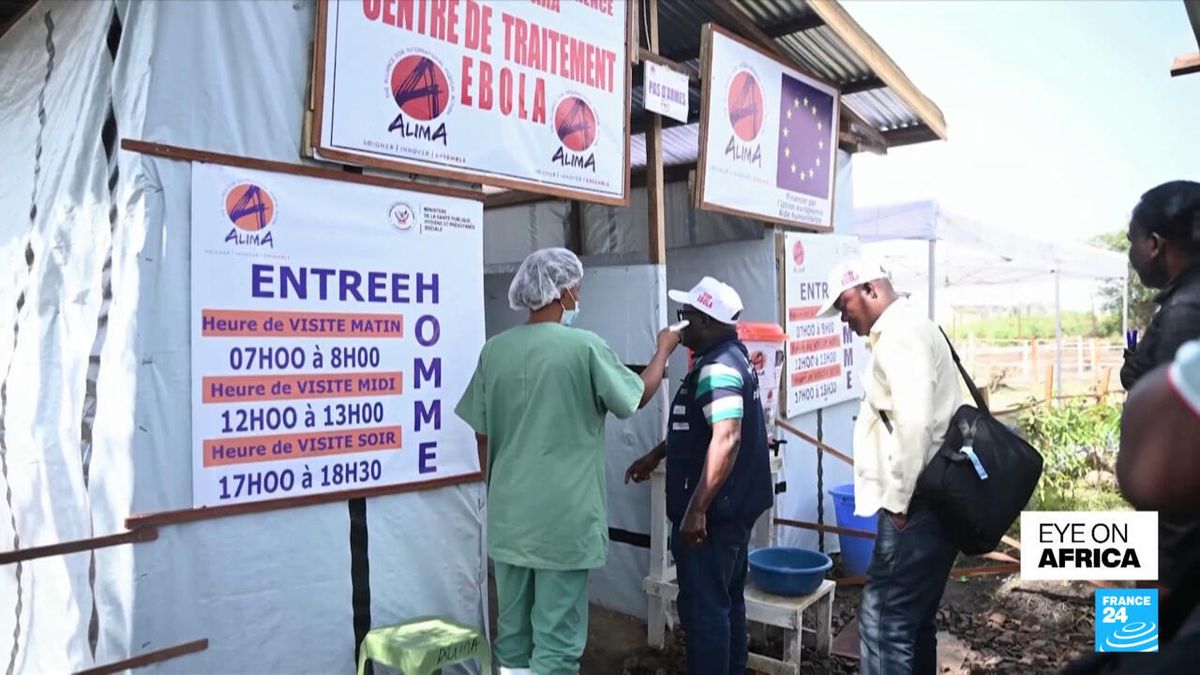
The Ebola outbreak in the Democratic Republic of Congo has now spread to a sixth province, marking a significant expansion of the crisis. This development comes as health teams face mounting challenges in containing the virus, including limited resources and difficult terrain.
Behind the scenes of the Ebola outbreak, there are complex power dynamics at play. International donors and NGOs have a significant influence on the response efforts, often dictating how resources are allocated and which areas receive the most attention. Meanwhile, local communities are frequently left out of decision-making processes, despite being the ones most affected by the outbreak. The Congolese government itself faces a delicate balancing act, trying to manage the crisis while also addressing the country's deeper structural issues, such as corruption and lack of infrastructure.
The human cost of the Ebola outbreak is staggering, with thousands of lives lost and countless more affected. However, it's not just the direct victims of the disease who suffer; entire communities are disrupted, and local economies are devastated. Rural areas, in particular, are often the hardest hit, as limited access to healthcare and information exacerbates the spread of the virus. The most vulnerable populations, including women, children, and the elderly, are disproportionately affected, facing increased risks of infection, displacement, and economic hardship.
What's often downplayed in discussions about the Ebola outbreak is the systemic nature of the crisis. The virus doesn't spread in a vacuum; it thrives in environments where poverty, lack of access to healthcare, and poor infrastructure create fertile ground for its transmission. The international community's response to the outbreak is also frequently criticized for being too little, too late, with many arguing that more could be done to support local health teams and address the root causes of the crisis.
As the Ebola outbreak continues to spread, there are several key developments to watch for. Increased funding and support from international donors could help bolster response efforts, but it's crucial that this support is tailored to local needs and empowers community-led initiatives. Meanwhile, regional cooperation will be essential in preventing the virus from crossing borders and spreading to neighboring countries. Ultimately, the success of the response will depend on addressing the deeper structural issues that allow Ebola to thrive, including poverty, corruption, and lack of access to healthcare.
Editor's Note: The analysis is based on publicly available information and may not reflect the full complexity of the situation on the ground.
Source referenced: FRANCE24
This brief was synthesized by our Editorial Engine and reviewed by The Ground Narrative team.