TRENDING

Saturday, 26 September 2026
----------------------
15 Rabi' Al-Thani 1448 AH
France has reported 1,000 excess deaths during a record-breaking heatwave sweeping Europe, underscoring the profound public health and infrastructural challenges posed by accelerating climate change. This event highlights Europe's heightened vulnerability to extreme weather and the urgent need for robust climate adaptation strategies.
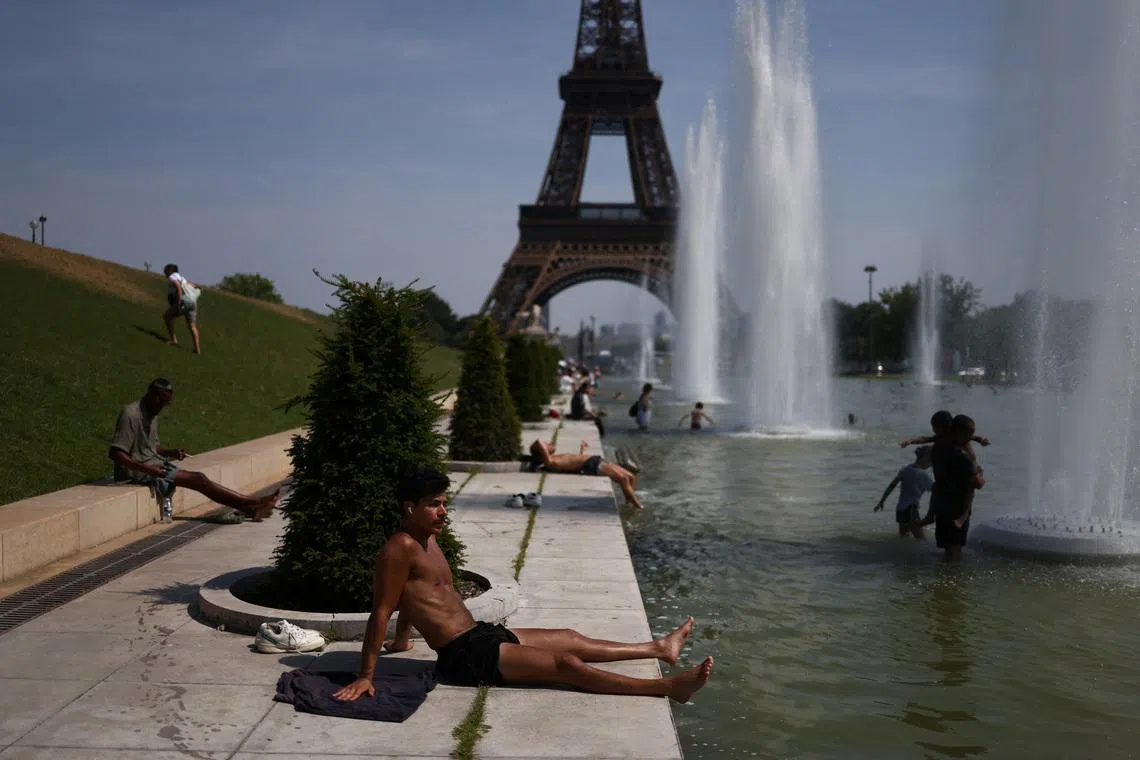
France's public health agency, Sante Publique, reported on June 28, 2026, that the nation recorded 1,000 excess deaths during a blistering heatwave that has gripped Europe since June 20. This grim statistic, primarily affecting older individuals, serves as a stark indicator of the escalating human cost and systemic vulnerabilities exposed by extreme weather events in a rapidly warming world. The heatwave, described by scientists as the worst recorded in Europe, has not only claimed lives but also disrupted power generation and damaged critical infrastructure across the continent, signaling a profound geopolitical challenge.
The immediate impact in France has been severe, with Sante Publique noting that the true mortality figure is likely to climb as more data becomes available, particularly from residential care facilities and private homes. Health Minister Stephanie Rist cautioned that the health effects could persist for up to 10 days even after temperatures subside, emphasizing the lingering public health crisis. While the extreme heat has begun to ease in most parts of France, some north-eastern regions remain under advisory, highlighting the uneven geographical distribution of the crisis and the localized intensity of its effects.
Beyond France, the heatwave has been a pan-European phenomenon, shattering temperature records and placing immense strain on national systems. This widespread impact underscores that climate-induced crises are not isolated incidents but rather interconnected challenges demanding a coordinated, transnational response. The disruption to power generation, for instance, has immediate economic consequences, potentially leading to energy shortages, increased costs, and a strain on national grids already grappling with energy transition complexities.
The scientific consensus is clear: Europe is warming at a rate faster than the global average, making it particularly susceptible to more frequent and intense heatwaves. This accelerated warming transforms what might once have been considered a meteorological event into a significant geopolitical factor. The increased frequency and severity of such events pose direct threats to national security, public health, economic stability, and social cohesion across the continent.
From a geopolitical perspective, the heatwave exposes several critical vulnerabilities. Firstly, it highlights the fragility of existing infrastructure in the face of unprecedented climatic conditions. Power grids, transportation networks, and urban planning in many European cities were not designed to withstand prolonged periods of extreme heat, necessitating massive investments in climate-resilient infrastructure. Secondly, it places immense pressure on public health systems, which must adapt to manage heat-related illnesses, provide adequate care for vulnerable populations, and implement effective early warning and response mechanisms. The disproportionate impact on the elderly, as observed in France, points to a demographic vulnerability that will only grow as European populations age.
The economic ramifications extend beyond immediate disruptions. Damage to infrastructure, reduced labor productivity due to heat stress, and increased demand for energy (primarily for cooling) can collectively impose substantial costs on national economies. These costs divert resources that could otherwise be allocated to development, innovation, or other public services. Furthermore, the agricultural sector, a cornerstone of many European economies, is highly susceptible to extreme heat and drought, potentially leading to food security concerns and inflationary pressures.
In response, governments across Europe will face intensified pressure to implement more aggressive climate mitigation and adaptation policies. This includes accelerating the transition to renewable energy sources, investing in green urban infrastructure (e.g., parks, reflective surfaces), improving building codes for heat resilience, and strengthening social support systems for vulnerable citizens. The political will to enact such changes, often costly and complex, will be a defining feature of European governance in the coming years.
Ultimately, France's excess deaths during this heatwave serve as a potent reminder that climate change is a borderless threat requiring robust international cooperation. While national responses are crucial, the transboundary nature of climate impacts—from shared atmospheric conditions to potential cross-border migration pressures—demands coordinated efforts at regional and global levels. This includes sharing best practices in disaster preparedness, collaborating on climate research, and collectively advocating for stronger global climate action. The heatwave crisis in Europe is not merely a domestic issue for France or any single nation; it is a shared challenge that underscores the interconnectedness of global security and environmental stability.