TRENDING

Monday, 5 October 2026
----------------------
24 Rabi' Al-Thani 1448 AH
The Taliban's ban on girls' education has left 2.4 million Afghan girls without access to secondary education, with severe consequences for the country's economy and future. The international community has been criticized for its inaction in the face of this crisis.
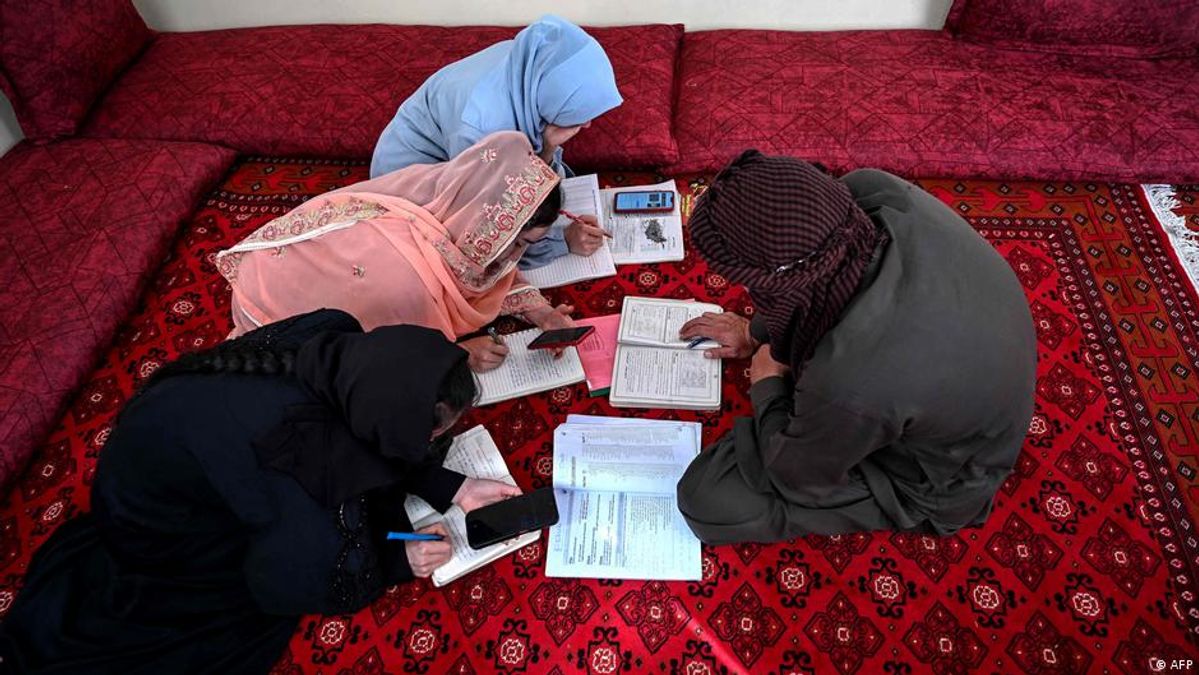
The Taliban's return to power in Afghanistan in 2021 marked a significant turning point for the country's education system. Despite initial assurances that women would be allowed to continue studying, the Taliban has since imposed a ban on girls' education, affecting 2.4 million girls. This ban has been in place for over two years, with no signs of being lifted.
The Taliban's decision to ban girls' education is rooted in their interpretation of Islamic law and Afghan culture. However, this move has been widely criticized by the international community, with many arguing that it is a form of gender apartheid. The Taliban's actions have been enabled by the lack of international pressure and the fact that Russia is the only country to formally recognize the Taliban administration. The economic consequences of this ban are also significant, with UNESCO estimating that excluding women from secondary and higher education could push around 600,000 women out of the workforce by 2066.
The ban on girls' education has a devastating impact on the lives of Afghan girls and women. Not only are they denied access to education, but they are also restricted from employment and movement, and have been barred from public parks, gyms, and beauty salons. The psychological toll of this isolation should not be underestimated, with many girls and women facing a future without access to education or economic opportunities. The ban also has a ripple effect on the broader community, with many schools facing a shortage of qualified female teachers.
What is often downplayed in discussions about the Taliban's ban on girls' education is the role of the international community. Despite widespread condemnation, there has been little concrete action taken to pressure the Taliban to lift the ban. The lack of economic leverage has been particularly notable, with many countries continuing to engage with the Taliban despite their human rights record. Furthermore, the impact on Afghanistan's economy is often overlooked, with the ban on girls' education likely to have long-term consequences for the country's development.
As the situation in Afghanistan continues to deteriorate, it is essential to watch for any signs of international pressure on the Taliban to lift the ban on girls' education. The response of the international community will be crucial in determining the future of Afghan girls and women. Additionally, the impact of the ban on Afghanistan's economy will be an important indicator of the long-term consequences of this decision. As the situation continues to unfold, it is essential to amplify the voices of Afghan girls and women, who are fighting for their right to education and a better future.
Editor's Note: The analysis is based on publicly available data and reports from reputable sources, including UNESCO and human rights organizations.
Source referenced: DW
This brief was synthesized by our Editorial Engine and reviewed by The Ground Narrative team.