TRENDING

Monday, 5 October 2026
----------------------
24 Rabi' Al-Thani 1448 AH
A devastating Ebola outbreak in the DR Congo's conflict-ridden east has claimed over 2,000 lives, outpacing response efforts due to ongoing violence, poor infrastructure, and health worker strikes. This crisis exposes the deep-seated power dynamics of a nation grappling with both disease and political instability.
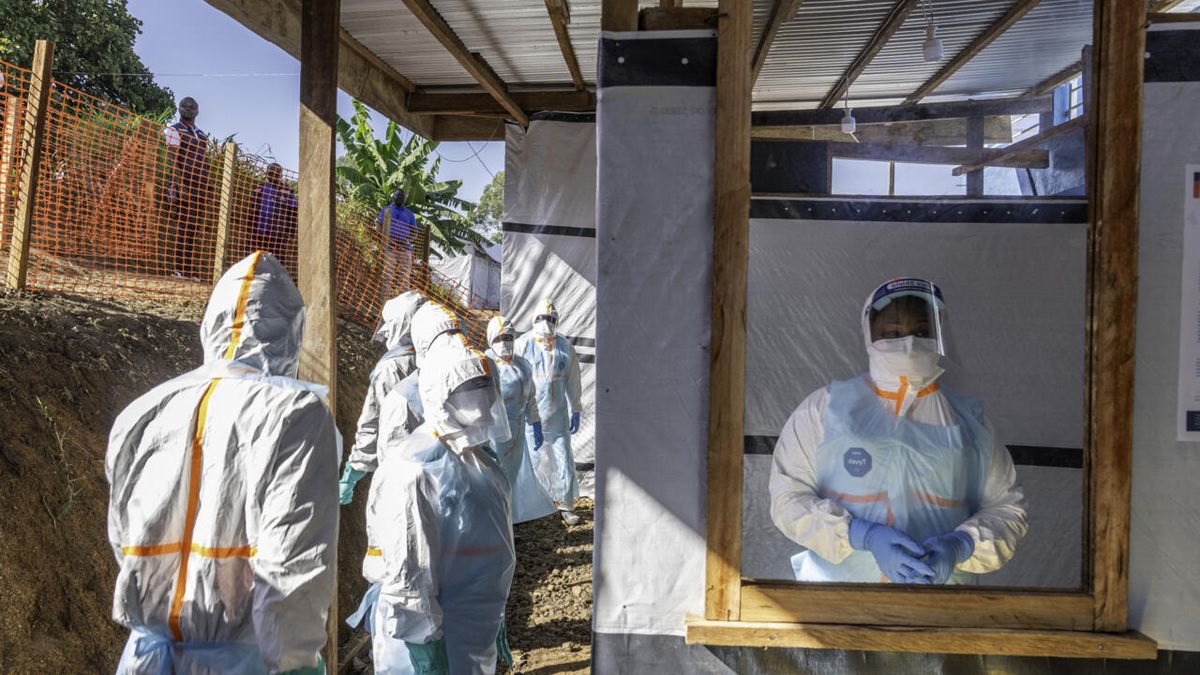
The Democratic Republic of Congo (DRC) is currently battling its fastest-growing Ebola outbreak on record, with over 2,000 deaths reported from more than 4,300 confirmed cases. Concentrated in the nation's eastern and northeastern provinces, the disease is spreading at an alarming rate, with the death toll doubling in just three weeks, far outpacing the efforts of health authorities to contain it. The outbreak's severity is compounded by a high case fatality rate, estimated at 45.9 percent, underscoring the lethal combination of a virulent disease and a fragile response.
This crisis is not merely a medical challenge; it is a stark illustration of how intertwined political instability, economic precarity, and public health can become. The power mechanics at play are multi-layered. Firstly, the weak state capacity of the DR Congo government is evident in its inability to secure conflict zones, maintain vital infrastructure, and, critically, pay its frontline health workers. The ongoing rebel conflict in the eastern regions creates a de facto power vacuum, allowing non-state armed groups to dictate access and safety, effectively neutralizing state and international health interventions. Roads are impassable, communities are displaced, and aid workers face constant threats, making basic surveillance and rapid response nearly impossible. Secondly, the economic fragility of the state means health workers, the very backbone of the response, are forced to strike over unpaid wages, further crippling efforts. This reflects a deeper issue of resource allocation and governance. Finally, while international bodies like the WHO and Gavi provide crucial support, their power is inherently limited by the ground realities. Global health efforts, no matter how well-intentioned, struggle to penetrate areas where basic state functions have collapsed under the weight of conflict and neglect.
The human cost of this outbreak extends far beyond the grim statistics of the dead. The direct victims are individuals and families caught in a relentless cycle of disease and despair. But the burden is also borne by local health workers, who are not only risking their lives daily in highly contagious environments but are also forced to protest for their basic salaries, a betrayal that erodes trust and capacity. Communities in the conflict-plagued east are isolated, their movements restricted, their livelihoods destroyed, and their access to information and care severely limited. The inability to track contacts means the virus silently spreads among ordinary citizens, many of whom are already displaced by conflict, living in precarious conditions, and facing food insecurity. Children are orphaned, families are torn apart, and the social fabric of already vulnerable regions is further frayed, creating a humanitarian crisis within a health crisis.
What is often downplayed or omitted in official statements from governments and international bodies is the deep historical context that underpins the DR Congo's perpetual instability. The DRC, rich in mineral resources, has been a battleground for decades, with various national and international actors vying for control over its wealth. This has fueled endemic corruption, weak governance, and a cycle of violence that directly impacts the state's ability to respond to crises like Ebola. Governments often frame the outbreak as a logistical or medical challenge, sidestepping the uncomfortable truth that the current crisis is a direct consequence of systemic failures, political neglect, and the ongoing exploitation of the region's resources that perpetuate conflict. The lack of investment in basic infrastructure, the failure to disarm rebel groups, and the chronic underpayment of public servants are not mere footnotes; they are the core drivers of this tragedy, yet rarely feature prominently in the narratives presented to the global public.
Moving forward, several critical indicators will reveal the true trajectory of this crisis. First, watch for any progress in stabilizing the eastern regions and creating secure humanitarian corridors. Without a reduction in conflict, effective health interventions remain impossible. Second, monitor the financial commitment to health workers – consistent and timely payment is crucial to rebuilding trust and capacity. Third, observe the development and deployment of new vaccines, particularly those specifically targeting the Bundibugyo strain, and the results of trials for cross-protection from existing vaccines. Finally, pay attention to the effectiveness of international aid coordination and whether it begins to address the root causes of instability and governance failures, rather than just the symptoms. The path ahead will determine if the DR Congo can break free from this devastating cycle of disease and conflict.
Source referenced: FRANCE24
This brief was synthesized by our Editorial Engine and reviewed by The Ground Narrative team.


